


World Spirits Report 2025: RTDs
The ready‐to‐drink (RTD) segment has been the shining star of the alcohol beverage world, rising by 2% in volume last year, according to IWSR figures.
While category growth is slowing, the sector is outperforming beer, wine, and spirits, and now has a 3.5% share of total beverage alcohol (TBA) in 10 of the world’s leading markets for RTDs (up from a 1.1% share in 2014).
In the US, the RTD category is expected to reach a 9% share of the TBA sector by 2029. From 2024 to 2029, IWSR predicts compound annual growth rate (CAGR) volume rises of 1% for the US, 3% for South Africa, 7% for Brazil and 3% for Japan.
Britt West, chief commercial officer of High Noon owner Gallo Wine & Spirits, described 2025 as a challenging year for RTDs as the category normalises, but he is optimistic about spirit‐based RTDs.
A similar sentiment was echoed by Craig Chapman, head of brands at UK‐based Global Brands. “Premium and spirit‐based RTDs have emerged as top performers in the category,” he says, adding that “products that lean into premiumisation can drive wider growth”.
According to West, High Noon is the leading spirit‐based hard seltzer in the US, with more than 65% category share.
In April, Gallo tapped into the hard lemonade boom with the launch of Lucky One. It has become the second‐biggest spirits‐based lemonade RTD brand (after Surfside) in just seven months in the US, based on IRI data cited by West.
At Global Brands, the company is tapping into 90s nostalgia through its Hooch brand. “To capitalise on the increased demand for nostalgic products, driven by millennial shoppers, this year we launched our Hooch RTD in draught format for pubs and bars, including vibrant tap handles and one‐of‐a‐ kind glassware in the iconic, nostalgic branding,” says Chapman.
As for the challenges facing the category, West notes “increased competition” and the “rapidly evolving” consumer preferences – from flavours to ABV and formats. He also mentions the challenge of “market access and distribution complexities” in the US, with consumers confused over the differences in base types and where to buy them.
Chapman cites the challenge of securing listings in retailers as they become more selective with their stock. Producers are also dealing with inflation, combined with rising packaging costs and the use of premium ingredients, which means brands have to work harder to “ensure they are offering consumers value for money”, Chapman explains.
In terms of trends, Chapman believes there will be increased demand for “bar‐quality experiences straight from the can or bottle”. He also cites the trend for “chaos‐driven packaging” that drives consumer engagement, including BuzzBallz’s “toy‐like cocktails”, and Liquid Death’s format of “putting water in a craft beer can”.
Global Brands tapped into this shift with its VK Squashka launch, which comes in a resealable Tetra Pak that “acts more like an oat‐milk carton than a typical RTD”, says Chapman.
Brands to watch in 2026
Breezer
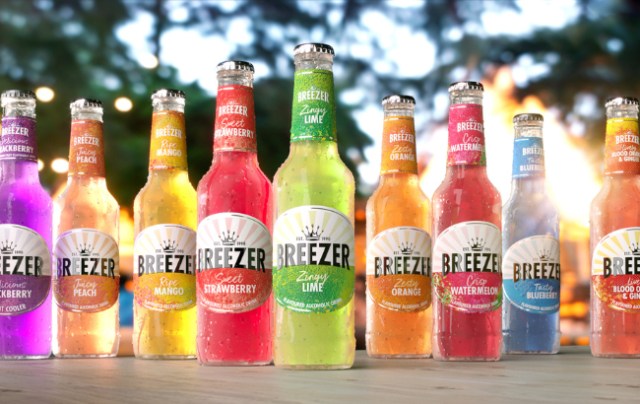
In the 90s and early 2000s, bottled drinks such as WKD and Smirnoff Ice were all the rage with young adults thanks to their sweet flavours, but disappeared over fears they appealed to children. Now, these RTDs are making a return. Bacardi Breezer was recently rebranded and brought back to the UK because of “strong demand”, while Smirnoff Ice launched its first global campaign this year and unveiled a can format. Could 2026 be the year of the alcopop?
BuzzBallz
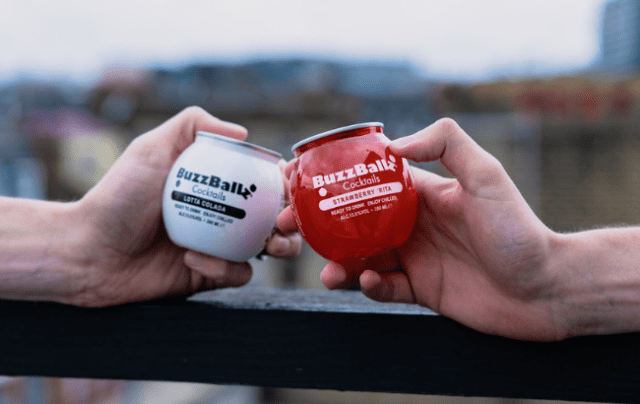
Dubbed the “drink of the summer” by The Guardian, BuzzBallz had made a big splash among Gen Z in the UK and the US, and joined Sazerac’s portfolio last year. With its unique bauble‐like container (including the huge 1.75l ‘Biggies’ format) and quirky marketing, the drink is gaining ground in the off‐trade, and is set to conquer UK pub giant Wetherspoons.
-196
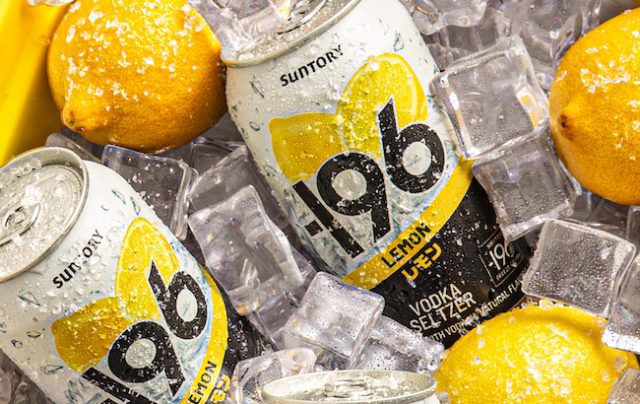
Pronounced ‘minus one‐nine‐six’, Suntory’s Japanese canned vodka seltzer has shifted large volumes in its home market, and is aiming to grow globally. Already successful in Australia, the RTD headed to the UK in 2024, bringing its unique proprietary freeze crush infusion technology to the market. It entered the US this year, where it unveiled a strawberry flavour.
Related news
RTDs overtake vodka in global value