

Top seven best-selling liqueur Brand Champions
Last year, the sweet bliss of liqueurs continued to be dominated by brands that offer texture and indulgence, although the biggest players are now showing signs of declining sales.
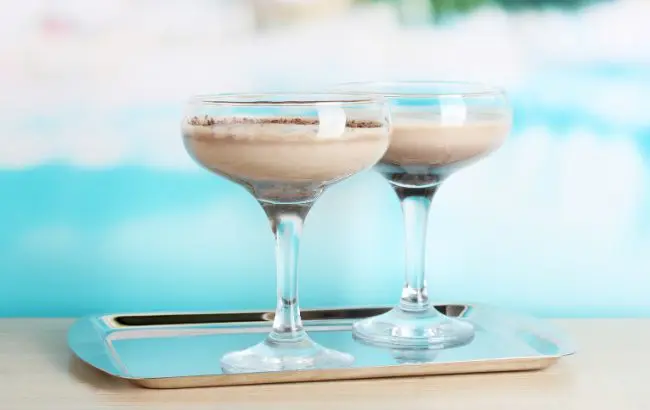
Liqueurs have often leaned into their indulgent sides, providing a sweet option for drinkers seeking to treat themselves. The so-called ‘treatonomics’ trend paves the way for liqueurs to tap into consumer demand for small, affordable luxuries, while providing a lower-alcohol option at a relatively reasonable price point.
While liqueurs continue to play a key role in bringing sweeter flavours and texture to cocktails, from classic serves like the Espresso Martini to new creations, many consumers still opt to enjoy them on the rocks as a special sippable treat. Deeper flavours like cream and coffee continue to dominate the category, while producers are continuously introducing new flavours and innovations. With the growing trend of Spritz cocktails, producers are jumping on the bandwagon and welcoming the challenge with open arms.
The best-selling liqueur placed 42nd on the overall Brand Champions 2026 ranking, dropping nine places from spot 33 on the previous year. This signals a drop in the category’s overall sales compared with other categories, such as whiskies, apéritifs, and RTDs (ready-to-drink), which are doubling down on their success.
In 2025, all seven top contenders held their places on the list, with only two brands changing places. While the two biggest players in liqueurs reported an almost 10% decline in sales, the Irish cream liqueur category saw growth, with global exports up 10%, according to the latest report from Bord Bia.
Exports to the US and Canada accounted for more than 63% of the total liqueur sales, with both markets performing well in 2025.
Keep reading to see the biggest performers in the liqueurs category from The Brand Champions 2026 report.
The data is listed to one decimal place for ease of reading, but the percentage changes were calculated on the full data supplied. All data is recorded in millions of nine-litre cases.
7. Amarula
Owner: Heineken Beverages
2021: 1.2m | 2022: 1.4m | 2023: 1.1m | 2024: 1.2m | 2025: 1.2m
Growth: -0.8%
Place last year: 7
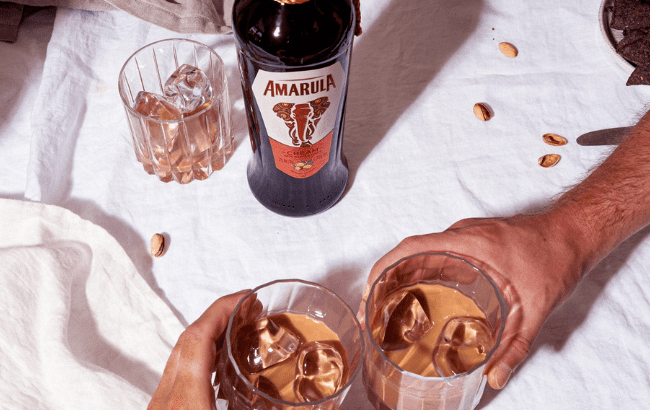
Unfortunately, South African cream liqueur Amarula wasn’t able to replicate its double-digit growth from 2024 following Heineken’s acquisition of the brand a year earlier. Last year, the brand held tight to its seventh-place position with a sales decline of less than 1%.
While the brand has become known for its popular cream liqueur, Amarula has invested in new flavours since 2018. In addition to its flagship liqueur, the brand’s portfolio also includes Ethiopian Coffee, Vanilla Spice, Vegan Liqueur, and Raspberry, White Chocolate & African Baobab – all made with marula fruits.
6. Choya
Owner: Choya Umeshu
2021: 1.6m | 2022: 1.5m | 2023: 1.5m | 2024: 1.5m | 2025: 1.3m
Growth: -13.5%
Place last year: 5
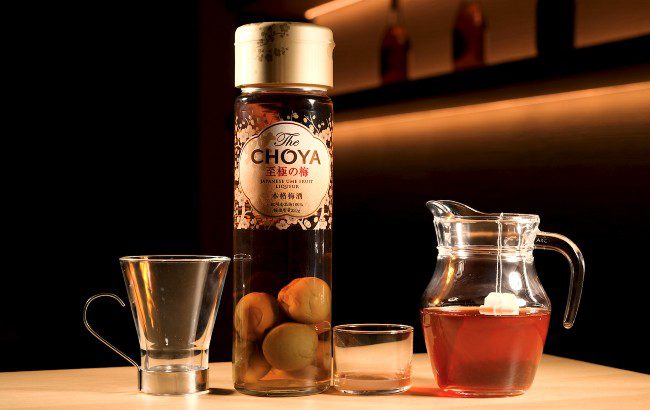
After two years as the fifth best-selling liqueur brand, Japanese plum liqueur Choya Umeshu was knocked down to sixth place after experiencing the biggest sales decline in the top seven. In 2025, the brand recorded a 13.5% sales decline, down around 200,000 cases from the previous years’ 1.5m.
While the brand has launched innovations in recent years, such as The Choya Enriched, they unfortunately weren’t enough to correlate with positive sales growth last year.
That said, Choya is exported to more than 90 countries worldwide, and it remains committed to exploring growth opportunities in East Asia, Southeast Asia, North America, and Europe. However, we will need to wait until next year to see whether Choya’s efforts turn the frown back upside down.
5. Disaronno
Owner: Disaronno Group
2021: 1.4m | 2022: 1.5m | 2023: 1.4m | 2024: 1.4m | 2025: 1.5m
Growth: 2.1%
Place last year: 6
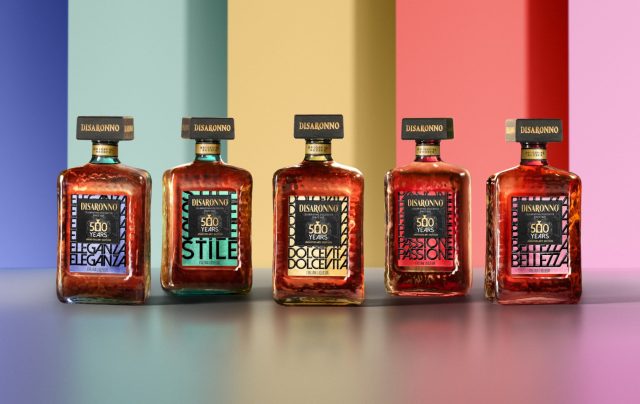
The year 2025 was a cause for celebration for Disaronno. Not only did the brand climb a spot in the list with 2.1% sales increase, but it also celebrated its 500th anniversary. To commemorate the milestone, Disaronno launched a multi-million-pound campaign across in-store, in-bar, and across ATL (above-the-line), social, PR, and retail media.
Disaronno has maintained steady sales over the past five years, with swinging sales between 1.4m and 1.5m cases annually. Additionally, CGA by NIQ data from March 2025 showed that Disaronno International UK was the only top 20 spirits subsidiary to have grown in the UK on-trade over the previous 12 months, with a 0.2% increase, compared with the total spirits market, which declined 8.9%.
The Disaronno brand was up by 1.3% in moving annual total (MAT) and by 9% in the UK on-trade in the year to March 2025.
Disaronno Originale, which continues to excel in the non-cream liqueurs market, is available in more than 160 countries worldwide.
4. Lubelska
Owner: Stock Spirits Group
2021: 1.9m | 2022: 1.9m | 2023: 1.9m | 2024: 1.9m | 2025: 1.8m
Growth: -8.3%
Place last year: 4
Until last year, Polish liqueur Lubelska had maintained its 1.9m annual sales, but saw a dip of around 100,000 cases in 2025 to 1.8m, equal to an 8.3% sales decline.
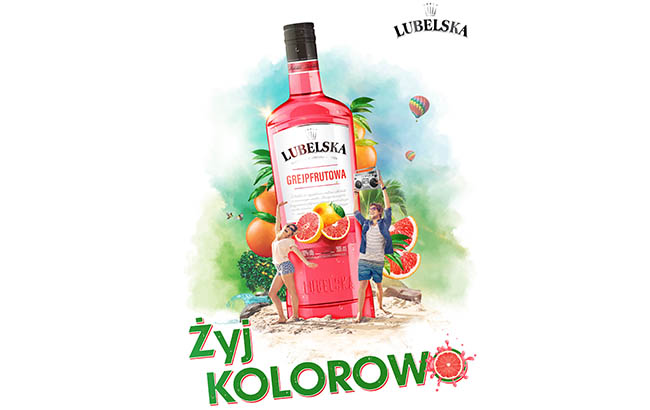
The only fruity liqueur brand with multiple flavours in the top seven, Lubelska, wasn’t able to turn its 2024 entry into the pre-mixed, ready-to-serve Chill range into positive numbers despite the rise of RTDs.
3. Kahlúa
Owner: Pernod Ricard
2021: 1.8m | 2022: 1.8m | 2023: 1.9m | 2024: 2.0m | 2025: 2.0m
Growth: 2.3%
Place last year: 3
The undisputed leader in coffee liqueurs, Kahlúa, held its number-three position on the list, with 2.3% sales growth. As a key ingredient in Espresso Martinis, the brand has climbed the list over the last five years, from fifth to third, and was named the Liqueur Brand Champion for the second year in a row.
The brand has shown “solid growth” in the US and Canada. In addition, the UK market has, according to María Prados Alvarez, global brand architecture and activation director for Kahlúa, “shown particularly strong development, rising to the brand’s second-largest market globally.”
“Markets such as Germany and global travel retail (GTR) made a significant contribution to the brand’s growth in 2025, highlighting the increasing global appeal of coffee cocktails and indulgent serves,” she added.
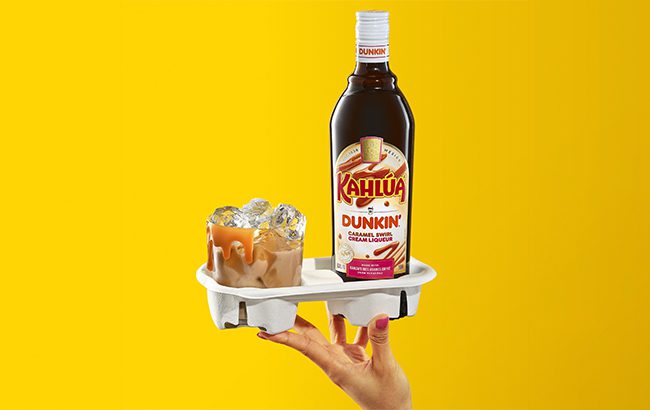
Last year, the brand made its ‘largest investment’ in the cream liqueur category by creating Caramel Swirl Cream liqueur with the coffee and doughnut brand Dunkin’. The product’s August launch was supported by the It’s Kahlunkin campaign, which also featured the brand’s previous collaborator, actor Salma Hayek Pinault. Kahlúa continues to invest in its global Stir Up campaign, featuring Hayek Pinault, to “further strengthen the brand’s cultural relevance and playful positioning”.
The brand also hopes to ‘disrupt’ the cream liqueurs category by bringing its Coffee Cream Liqueur to more than 10 markets in the coming months.
2. Malibu
Owner: Pernod Ricard
2021: 4.9m | 2022: 4.8m | 2023: 4.4m | 2024: 4.3m | 2025: 3.9m
Growth: -9.5%
Place last year: 2
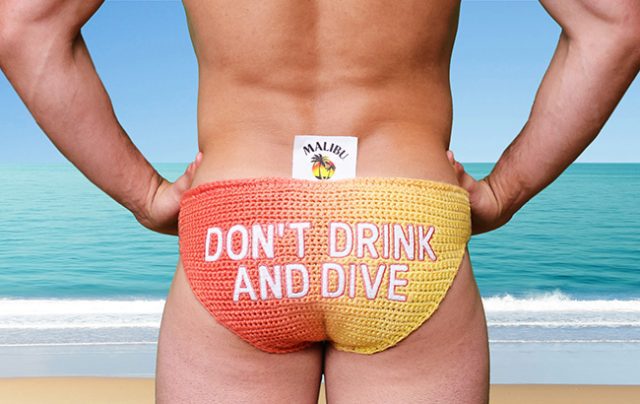
Holy colour-changing knitted Speedos. Despite reporting a 9.5% sales dip in 2025, the only rum-based liqueur brand on the list, Malibu, still managed to outperform stablemate Kahlúa by close to 2m cases. The past five years have not been kind to Malibu, as sales have continued to decline by a total of 1m cases, but it is not enough to knock the brand off its comfortable second-place position.
In 2025, the brand once again tapped Olympic gold medal-winning diver Tom Daley for its second responsible drinking campaign, while actor Brian Cox fronted Malibu’s Piña Colada campaign, which encouraged work-life balance.
Last year, the brand also announced its collaboration with juice producer Dole for a range of canned cocktails. Unfortunately, the RTDs weren’t launched until early 2026, so they missed the qualifying data period. Will the range help Malibu turn around its trajectory and go on a winning streak this year?
1. Baileys
Owner: Diageo
2021: 8.8m | 2022: 8.8m | 2023: 8.2m | 2024: 8.4m | 2025: 7.5m
Growth: -9.9%
Place last year: 1
The resilient number-one contender held its top spot despite reporting an almost double-digit decline in sales in 2025, dipping from 8.4m cases sold in 2024 to 7.5m. In all honesty, it doesn’t seem that Malibu will be taking Baileys’ spot anytime soon, as it still leads the category with more than 3.5m cases sold annually.
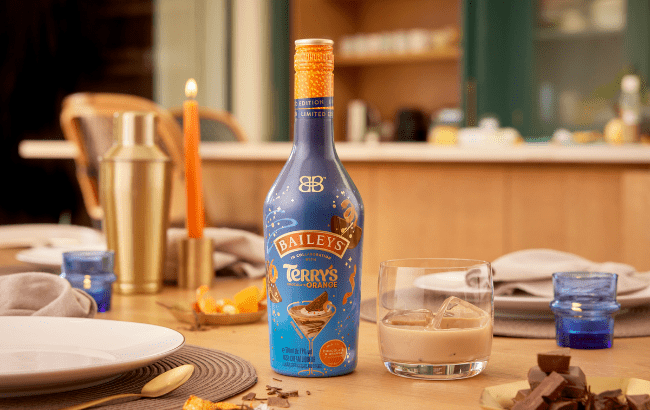
The undefeated champion continued its exploration of indulgence last year by adding two dairy-free, oat milk-based products to its permanent range. Leading up to the holidays, Baileys partnered with British icon Terry’s Chocolate Orange to entice UK shoppers.
Will Baileys continue its downward spiral next year while still holding on to its top spot this year? We’ll check back in 12 months.
Related news
Creamy Creation: how cream liqueurs became a standout spirits category