


Choya: taking Japan’s ancient ume culture to the world
Few drinks categories can claim a history stretching back more than a thousand years, a direct connection to domestic Japanese life, and a flavour profile that feels both familiar and entirely new. One of these few is Choya, the umeshu plum liqueur producer with global markets in its sights.
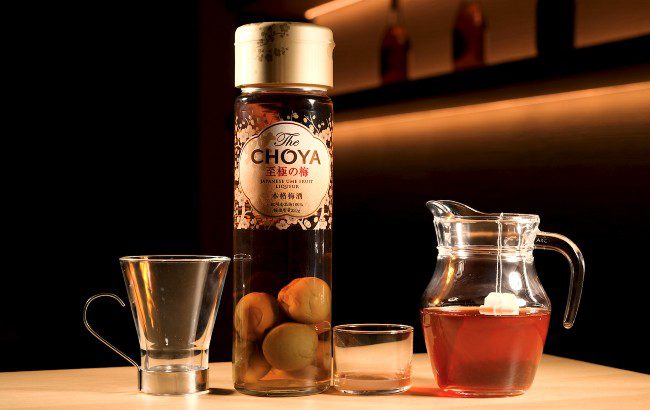
We often view Japan’s contribution to the global drinks landscape through the lens of innovative whisky and the growing thirst for sake. Yet one of the country’s most popular liqueurs predates both these categories by centuries (almost 1,000 years, in fact), rooted not in a distillation process or brewing recipe, but by a small, unripe fruit and people’s kitchens.
Enter ume, a Japanese plum that occupies a unique place within the country’s culture, sitting somewhere between food, drink, medicine and ritual. It is the traditional plum liqueur produced from a humble stone fruit, called umeshu, that has seen generations (and dynasties) rise and fall across history, while keeping itself in the heart of Japanese ceremony and celebration.
Today, it is estimated that there are more than 1,000 umeshu brands, but at the forefront sits Choya, a company whose ambition is not just international expansion, but protecting the flavour for future generations to be able to experience what their ancestors did.
The story of this liqueur begins thousands of years before the creation of modern Japan. Ume originated in China, where records suggest the fruit was used medicinally for more than 4,000 years (as early as the Han dynasty) – showing that plum-based preparations were valued for their restorative qualities, and were used to treat anything from soothing sore throats to stimulating appetite.
Around 1,500 years ago, the fruit travelled to Japan, where it gradually became woven into everyday life. Over centuries, ume became a staple ingredient across the country’s food culture, with the first recorded reference to what we would recognise as modern umeshu appearing in 1697, within the Edo-period text ‘Honcho Shokkan’.
But the ume fruit has always been something that has been steeped in alcohol and sugar during the summer harvest and stored for months or years before opening, generation after generation. Recipes were handed down through families, and every household developed its own version.
While homemade umeshu remains part of Japanese life, Choya has played a central role in transforming the category into a globally recognised premium proposition. “Choya was founded with a passion for elevating ume into a globally appreciated premium liqueur experience,” Seiji Susuki, general manager for Choya, explains. “For many years, umeshu was often seen simply as a sweet traditional drink. Our vision has always been to demonstrate how it can be enjoyed in cocktails, gastronomy and luxury occasions around the world, for new generations who are seeking something that has a whole history and culture behind it.”
Choya, whose name was inspired by both a unique Japanese butterfly species and the many ancient artefacts that archaeologists found in the Komagatani area, right in Osaka where the company’s head office is located. By combining ‘ya’ (the name for Stone Age arrowheads in Japanese) and ‘cho’ (butterfly), Choya was created.
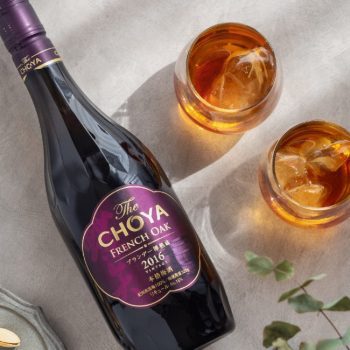
The company first started 100 years ago with an ethos of “growing hand in hand” with its fruit farmers, an energy that remains to this day. In 1962, the Choya we recognise today was born, but progress was slow due to cultural tradition; as described, it was customary for Japanese families at the time to make ume liqueur at home. However, after 10 years, things started to change as Japan underwent a transformation – the traditional family dynamic was changing, people were moving to urban areas and working families became the norm. Spare time became precious, and the convenience of being able to purchase Choya became the brand’s route to success.
The company’s approach was to create something that was better than home-made and to offer a quality that encapsulates that of Japanese craftsmanship: refinement rather than reinvention. Rather than altering the essence of umeshu, Choya has doubled down its focus on improving every element of production, from fruit sourcing (using only 100% Japanese nanko) and maturation to presentation and into the final serving strategy.
Gold medal winner
The fruit itself is floral yet vibrant, sweet yet sharply refreshing, and it creates a flavour profile unlike anything found in traditional grape-based liqueurs. Choya Extra Years Umeshu took Gold at The Asian Spirits Masters blind tasting, with judges noting “lemon sherbet on the nose with a sweet palate of apricots, cherries, and raisins”.
“Nanko ume is regarded as the highest-quality ume fruit in Japan and has long been part of Japanese food culture,” Susuki explains. “We use this to preserve the authentic aroma, acidity and depth of flavour unique to this variety.”
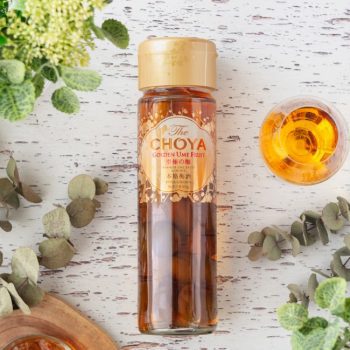
This collection of three products (including Choya Single Year and Choya French Oak) offers such a range that is rapidly challenging the long-held perception that umeshu is simply a sweet after-dinner drink. Perhaps the most compelling aspect of umeshu is how perfectly it reflects broader Japanese drinking culture.
One of the most exciting aspects of production, Susuki notes, is discovering how different maturation techniques can transform the same fruit. “Even with the same fruit, slight differences in ageing, extraction, or barrel influence can create completely different flavour profiles – from bright and refreshing to rich and luxurious,” he says.
Rather than replacing traditional spirits, umeshu offers bartenders another layer of flavour with which to build contemporary drinks. It is a rise that also coincides with several major shifts reshaping the global drinks industry. Consumers are increasingly embracing a more fluid approach to drinking, seeking products that offer flavour, authenticity and flexibility.
At the same time, younger consumers are showing greater interest in provenance and cultural storytelling. Categories linked to specific regions, traditions and ingredients are increasingly outperforming products built solely around branding.
Across Asia, Europe and North America, bartenders are increasingly incorporating Choya into contemporary cocktail programmes. Luxury hotels and restaurants are beginning to see umeshu not simply as a niche import but as a versatile premium ingredient capable of bridging Eastern and Western drinking cultures. “We are fortunate to collaborate with many talented bartenders globally,” Susuki reflects. “We are also expanding experiential concepts such as The Choya Bar and our Ume Experience stores as Japan’s tourism industry continues to grow.”
Increasingly, travellers seek experiences rooted in local culture and tradition. Distilleries, wineries and food producers are becoming destinations in their own right, offering visitors opportunities to connect with the places and stories behind what they consume. For Choya, these experiences provide a way to communicate the deeper cultural significance of ume.
For much of the last two decades, Japanese whisky has dominated conversations around the country’s premium drinks sector, but this is about to change as consumers are looking to the East. “Our ambition is to establish umeshu as a recognised premium fruit liqueur category worldwide,” Susuki reflects.
Related news
Creamy Creation: how cream liqueurs became a standout spirits category