


Renegade Rum Distillery seeks buyer
Grenada’s Renegade Rum Distillery, renowned for its terroir-driven approach to production, is up for sale.
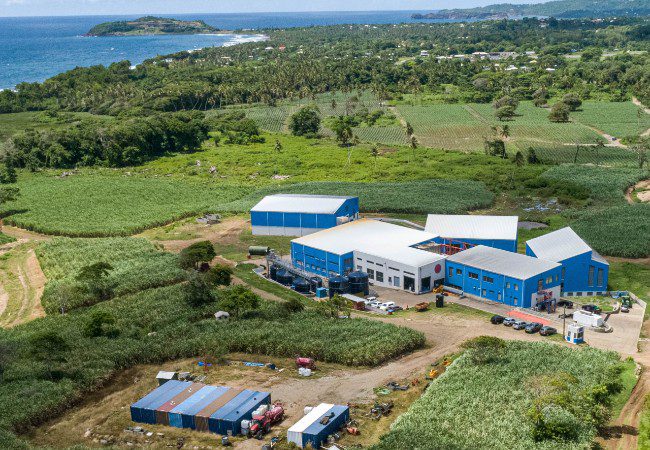
The ‘state-of-the-art’ distillery began production in 2022 and was founded by whisky entrepreneur Mark Reynier, also known for leading the revival of Islay’s Bruichladdich Distillery and founding Waterford Distillery in Ireland.
His goal with Renegade was to move away from rum’s molasses-based, industrial roots and create a spirit that encapsulates the soil, local farms and microclimates of Grenada. The brand has since become known for its ‘farm to bottle’ ethos.
The sale of Renegade Distillery is being led by EY-Parthenon Caribbean.
Maria Daniel, managing partner at EY-Parthenon Caribbean, said: “Across the spirits industry, sustainability happens at the margins; lighter packaging, cleaner inputs. The core imbalance stays the same: value sits downstream, while farmers capture only a fraction of it.
“Renegade was built to close that gap. ‘Farm to bottle’ isn’t a marketing line; it’s a structural model. Our cane is locally sourced and processed on site, byproducts returned to the soil, an all-female, we have entirely neighbourhood production team. It’s a fully integrated platform that keeps value at the source.”
The successful buyer of Renegade Distillery will acquire a finished, technically ambitious, already-producing facility, the group said.
According to data from global marketing agency OhBev, the global rum category could experience a compound annual growth rate (CAGR) of 5.5% between 2024 and 2033, increasing from US$17.3 billion in 2024 to US$28bn by 2033.
Hyper locality
A key quality that sets Renegade apart is its commitment to hyper locality, EY-Parthenon Caribbean stressed.
To make Renegade Rum, sugarcane is harvested from 12 neighbouring farms – and within hours, it is milled and begins fermentation.
The distillation process endeavours to be as sustainable as possible; agricultural residue is converted into energy, steam is fed back into operations, and byproducts are returned to the soil.
Each bottle of rum has a ‘cane code’, meaning drinkers can trace the rum back to the specific farm, plot and harvest date, offering total transparency.
Plus, while the distillery processes sugarcane, it is able to also process molasses.
In other rum acquisition news, Brown-Forman bought Venezuelan rum brand Diplomático in 2023.
That same year, Diageo bought Philippine rum brand Don Papa for €260 million (US$281.5m).
Related news
Islay Rum Distillery launches first single cask release