

Gen Z moderation ‘conclusively debunked’, says IWSR
The latest IWSR research shows Baby Boomers, not Gen Z, are becoming the generation of moderation.
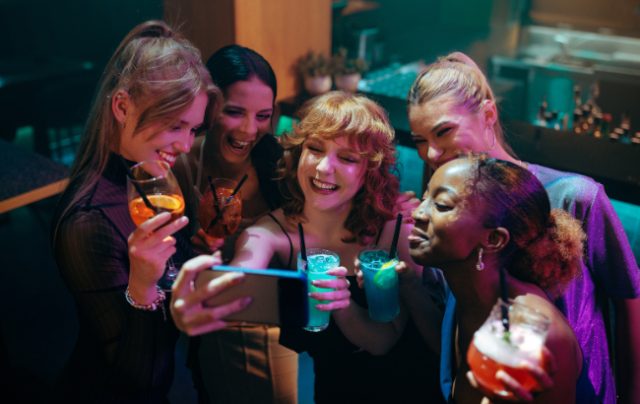
IWSR’s biannual Bevtrac survey of 15 key markets indicates that 74% of Gen Z (those of legal drinking age to 28 years old) are now drinking alcohol, which places their consumption roughly level with the overall adult average of 76%.
This marks a significant increase since the first Bevtrac survey in 2023, in which just 66% of Gen Z respondents of legal drinking age reported consuming alcohol.
IWSR president and managing director Marten Lodewijks said: “The narrative that Gen Z is the generation of moderation is now conclusively debunked.
“While Gen Z consumers are creating new patterns for engaging with beverage alcohol, the evidence demonstrates that Gen Z consumers enjoy drinking at roughly the same levels as the rest of society.”
While the survey shows rates of consumption are normalising, IWSR points out that Gen Z’s drinking habits remain distinct from other generations.
The cohort is more likely than any other age demographic to drink cocktails – with 84% of respondents saying they had done so in the past six months – and is more inclined towards social drinking, with 18% saying they had been accompanied by five or more people the last time they consumed alcohol.
The survey further indicates that Gen Z now accounts for 17% of the total drinking population, a figure which is expected to rise as more of the demographic reaches legal drinking age.
Despite the increase in overall participation in alcohol consumption among Gen Z, the group remains the most likely to heed government health guidance on alcohol consumption at 49%.
Boomers moderate while Millennials hold steady
Millennials (aged 29-44) reported the highest rates of consumption of alcoholic beverages at 81%, while Gen X (45-60) ranked second at 77%.
Boomers (61+), however, showed significant declines in overall consumption to become the generation with the lowest participation rate at 71%, a decline of 2% compared with the findings of the 2023 Bevtrac survey.
“Boomer drinking has been tailing off for several years,” Lodewijks added. “This is typical for consumers as they reach their 60s and 70s.
“These latest Bevtrac results, however, show bigger than expected drops in Boomer drinking across all major metrics. If this trend continues, it may actually be the Boomers, not Gen Z, who deserve the title ‘generation of moderation’.”
Boomers also reported the fewest number of drinking occasions of any cohort, with an average of just 2.6 drinks when they did imbibe.
Moderation is here to stay
Overall rates of participation in alcohol consumption remained steady this year, at 76% versus 75% three years ago.
But IWSR indicated that ‘actively choosing to drink slightly less has become the default position for the majority of drinkers in every market surveyed’.
The overall frequency of drinking occasions dropped across the board, with respondents claiming an average consumption rate of 3.9 drinks per occasion, down from the 4.4 drinks reported in 2024 and 2025.
The survey further indicated that the downward trend in overall volumes consumed ‘suggests this behaviour has become a structural rather than cyclical change, as lifestyle choice and health reasons become more important for consumers’.
Of the markets surveyed, only India and China bucked this trend, showing markedly increased participation among high earners in urban populations aged 18-64.
India reported a participation rate of 77%, up from 67% three years ago, while China rose to 89% from 86% three years ago.
IWSR is the global leader in beverage alcohol data and insights. The H1 2026 Bevtrac survey, which gathers self-reported consumer data, is the seventh in the series.
In April 2026, IWSR reported that total beverage alcohol volumes fell by 2% in 2005, with spirits volumes down 4% as the category continues to underperform.
The company also predicted in January this year that shifting consumer habits would lead to non-alcohol alternatives – including zero-ABV ‘spirits’ – growing by 36% between 2024 and 2029.
Related news
TFWA Cannes outlines 2026 agenda