


Community first: why Renegade is more than an acquisition opportunity
Renegade Rum Distillery built its reputation on producing terroir-driven, high-quality rums. But none of that would have been possible without supporting the local farmers and community. As the business seeks a new owner, preserving that legacy will be just as important as investing in its future.
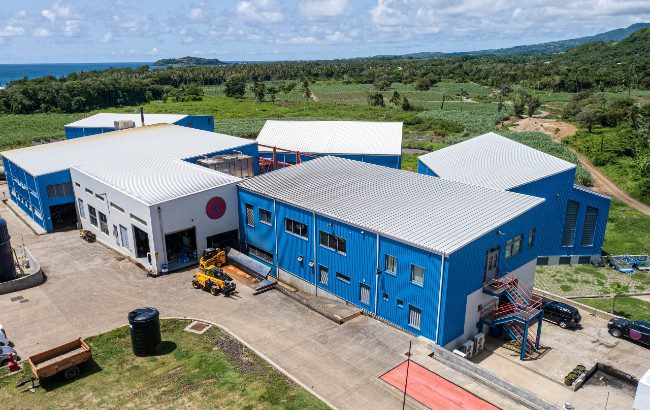
Creating a sense of place – a taste of place, if you will – has always been at the core of what Renegade Rum Distillery stands for. It is a key belief that sets it apart from other rum producers.
“Renegade was built on a fundamentally different model,” says Maria Daniel, managing partner at EY-Parthenon Caribbean, which is leading the sale of this revered distillery. “Among its core beliefs is that a great rum can begin with sugarcane, and that the characteristics of the land should be expressed in the final product.
“Unlike many traditional producers that source cane from multiple locations, Renegade focused on individual estates and specific plots, allowing each rum to reflect the unique conditions of a single growing area. This terroir-driven approach – common in the wine industry but virtually unheard of in rum production – enabled the company to showcase how soil types, rainfall, elevation, and climate influence flavour.
“The model was further strengthened by complete traceability, providing a transparent farm-to-bottle journey. Every stage of production could be linked back to a specific source, giving consumers an unprecedented level of authenticity and provenance within the Caribbean rum sector.”
Production began at Renegade in 2020, led by its founder, Mark Reynier, who was behind the revival of Islay’s Bruichladdich Distillery and also established Waterford Distillery in Ireland.
Renegade has had a significant role in promoting not just Grenadian rum, but the island as a whole. For lots of international visitors, attracting rum fans and industry professionals from markets across Europe and even further afield. The distillery might be the initial gateway to drawing visitors to Grenada, but once they arrive, they soon learn there is plenty worth sticking around for.
Central role in Grenadian community
The distillery has been committed to playing a central role in the Grenadian community. “The distillery was established in a rural, economically underserved area and was intended to create sustainable enjoyment, build local capability and support a wider network of businesses connected to agriculture, production, transportation and local supply chains,” notes Daniel.
The impact of establishing Renegade was monumental. The distillery employed 36 workers and the farms supplying the sugarcane for production employed 132 staff, with the related household impact reaching more than 500 people. “This does not include the wider group of contractors and service providers who supported the business, including cane and container haulers, transport operators, estate owners, food vendors, machine shop operators, local suppliers and other service providers,” Daniel adds. “Cane Co was already paying unskilled labour above the applicable minimum wage when minimum wage levels were reviewed and increased in Grenada, while starting salaries for distillery operators and technicians were higher than comparable local manufacturing roles.”
From its early days, Renegade recognised that to create a truly authentic, reputable Grenadian rum, it had to be built in tandem with Grenadians. The distillery has always held the local community in extremely high regard, and worked hard to build strong relationships.
“One of the key approaches was leasing agricultural land directly from local landowners and employing local workers to cultivate and harvest sugar cane. This helped provide income for rural landowners, create jobs within the communities, and establish a reliable supply of high-quality cane,” says Daniel.
“The model also gave Renegade greater control over consistency, quality, and traceability, while strengthening the local economy. By keeping more of the value chain within Grenada, the company created a framework that supported rural livelihoods and helped revitalise the island’s sugar cane industry.”
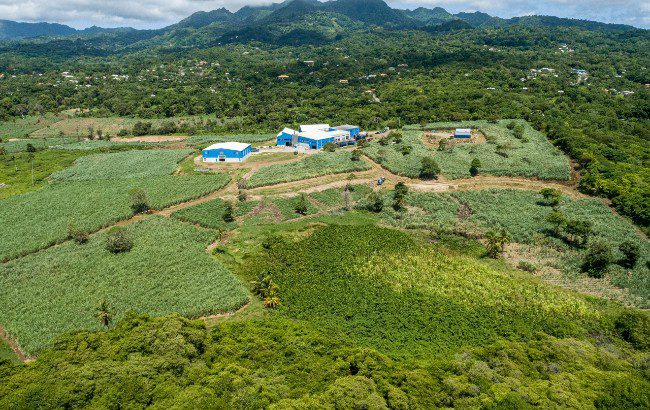
Continuing the close relationship Renegade has built with the local community in Grenada will be imperative for the new owner. The rum producer’s terroir-forward approach to rum places farmers at the heart of the distillery. Every batch of rum is connected to a specific farm; the location of that farm greatly influences the flavour of the final product.
Daniel reiterates this point: “Relationships with local farmers, landowners, and communities are not an optional component of the business – they are central to Renegade’s identity.
“The distillery’s terroir-driven model depends on deep connections to the land and the people who cultivate it. The authenticity of the product, the credibility of its farm-to-bottle story, and the uniqueness of the brand are all rooted in these relationships.
“Maintaining those connections is essential to preserving what makes Renegade different. The site, the communities, the farmers, and the shared passion behind the project are not simply inputs into the business; they are the foundation of the brand itself. In many ways, Renegade is a reflection of Grenada, and continuing those relationships is key to protecting that identity.”
Promising long-term investment
This is what makes Renegade Rum Distillery such a promising acquisition. The brand was never built for short-term gains. It was designed to last and to create long-term value through premium spirits, sustainability and authenticity.
“Renegade has already established a highly sophisticated operating platform, complete with modern infrastructure, advanced automation, and a distinctive premium rum proposition. What is needed now is an owner with the long-term vision to unlock its full potential,” Daniel adds. “With infrastructure in place and key partnerships already established, the opportunity now lies in scaling the model and bringing its products to a wider global audience.
“The ideal buyer would be someone who shares that vision – an investor committed to premium rum, innovation, and sustainable growth. Rather than following traditional industry approaches, they would recognise the opportunity to help redefine the future of rum and elevate the category as a whole.”
Related news
Renegade Rum Distillery seeks buyer