

Top 10 spirits brands on social media 2026
The social media landscape has gone through a rapid evolution in the past 12 months, with spirits brands increasingly moving away from polished, aspirational content to embrace spontaneous participation.
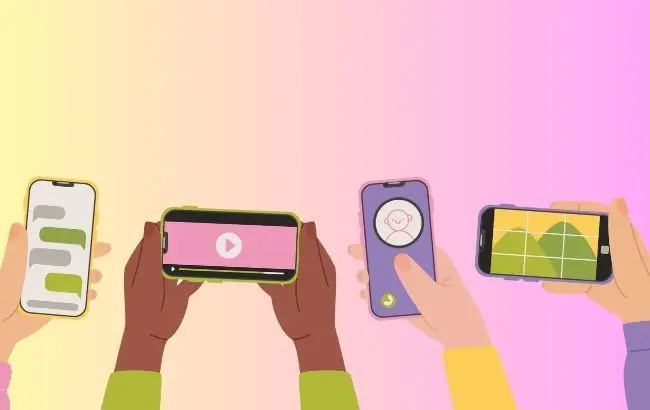
While platforms like Instagram and YouTube have remained important for storytelling and brand‐building, the once‐popular X has become a graveyard of abandoned brand accounts. But in its place, TikTok has emerged as the industry’s breakout stage, reshaping how spirits brands connect with younger audiences and culture at large.
From cocktail tutorials to trend‐driven creator partnerships, many have found that authenticity on TikTok travels faster than traditional advertising ever could.
The shift has come at a time when competition for consumer attention is fiercer than ever. Established and fledgling brands alike are racing to master short‐form attention‐grabbing (and ‐holding) videos with smart hooks or viral sounds in the hope of generating millions of views overnight. And while alcohol brands still face advertising regulatory hurdles, many have learned the best way to navigate the platform is through creator‐led content, lifestyle storytelling, and community engagement that feels less like marketing and more like organic and authentic entertainment.
“What we see consistently in spirits is that creator marketing has become a real growth driver for the brands at the top,” says Pierre‐Loïc Assayag, co‐founder and CEO of creator marketing platform Traackr.
“They’ve gone all in, and they’ve done it with discipline and curiosity. Data sits at the centre of how they identify talent, measure impact and allocate spend.”
Shape the future
The result is a new kind of digital playbook – one in which TikTok is shaping the future of spirits marketing – and some of the biggest firms are starting to take advantage. This spring Pernod Ricard launched its first large‐scale TikTok marketing campaign in a bid to target younger adult consumers via new digital engagement formats. The firm’s Get Ready With Malibu Pink campaign, which debuted on the platform in April, was a masterclass in modern influencer campaigning, utilising creator partnerships with the likes of American influencer Sabrina Brier and jumping on trends such as ‘get ready with me’ style videos, while placing Malibu’s new flavoured rum with guava, coconut, and pineapple at the centre.
Two years ago, a campaign like this would have been unheard of. However, as of July 2025, TikTok now boasts stronger age‐gating protocols. According to the Distilled Spirits Council of the US, this helps guarantee to brands like Malibu that the content they publish is only seen by legal‐age users, and subsequently influencer‐related alcohol content began to flow by early 2026.
Meanwhile, Bacardi‐owned Grey Goose has taken to the platform, posting content from its Devil Wears Prada 2 campaign fronted by supermodel Heidi Klum, while stablemate St‐Germain has used the app to push Spritz‐making videos with actor Sophie Turner.
Of course, these videos and campaigns could be, and are, also shared on Instagram, but Ned Duggan, president and global chief marketing officer of Bacardi Global Brands, says it is the rawness and imperfection of TikTok that drinkers gravitate to, noting that Meta‐owned Instagram is more curated and polished. He also believes TikTok users are more inclined to discover new products on the app. TikTok backs this with data that says 42% of its users have discovered a new alcohol brand via the platform, with users over the age of 21 being 1.6 times more likely to buy alcohol or try a new cocktail recipe than those not using the app.
But while raw and authentic creator marketing holds its greatest strength on the video‐sharing app, the brands that use the strategy across multiple platforms are the ones that come out on top when it comes to holding that elusive consumer attention online. Using Traackr’s Brand Vitality Score (VIT) ranking system, which breaks impact down into four core levers: creator volume; frequency; content performance; and average audience size, brands can now measure how effectively they are performing on Instagram, TikTok, YouTube and Facebook through their creator‐led content.
Biggest impact
Following The Spirits Business’ study of the million-case brands featured in this year’s Brand Champions report, Traackr analysed 139,000 posts from 54,800 creators across 21 countries to identify which brands made the biggest impact and generated the strongest audience engagement in 2025. Of the 10 spirits brands that have come out on top in our own analysis, it was Campari Group’s Aperol that performed the best from a content creator perspective, with much of its strongest content being organic, with mid‐tier travel and lifestyle creators featuring the brand in their own Italian‐summer content.
Meanwhile, Diageo‐owned Don Julio was found to be the number‐one brand on TikTok for 2025 in terms of VIT score, narrowly ahead of Aperol, and well above the rest of the field. The Tequila brand’s collaboration with fast‐food chain Popeyes in January was the year’s cultural moment, and food, lifestyle and comedy creators ran with it organically, producing viral reaction and review content on their own TikTok accounts, generating some of Don Julio’s highest‐performing posts of the year.
Then there is last year’s Social Media Hero, Pernod Ricard‐owned Kahlúa, which had one of its biggest social moments of the year in August, when it launched its Kahlúa Dunkin’ Caramel Swirl Cream Liqueur, and subsequently saw posts from longtime ambassadors Salma Hayek Pinault and Boston Rob Mariano, while last year’s second‐place brand, Malibu, did more with less, reducing post frequency while moving towards a pool of smaller, more authentic creators, all of which played to its advantage.
As such, Traackr’s data, alongside our own analysis, has led to an interesting top 10 this year, many of which have witnessed a dip in follower numbers or, at best, some very weak growth. But do follower numbers matter anymore when it’s the algorithms that determine what will land in our feeds, regardless of who we’re following? We’d suggest not. Rather, social media success is down to proactive effort with a defined strategy, which is why this year our Social Media Hero is Grey Goose.
Keep scrolling to read our analysis of the top 10 spirits brands on social media, and learn how Grey Goose managed to scoop this year’s Social Media Hero title.
10. Kahlúa
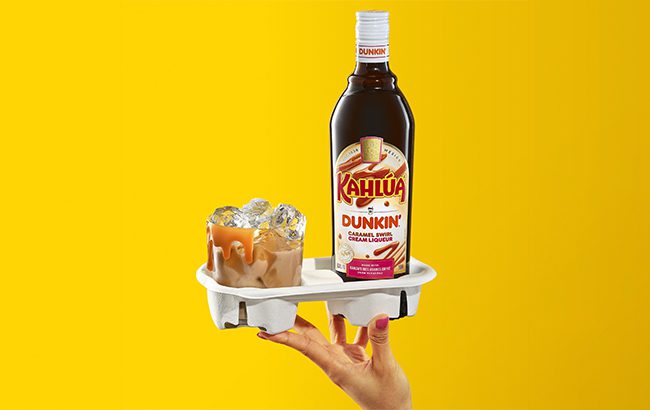
Total followers: 494,708 | Frequency: 8 | Engagement: 8.5 | Consistency: 9 | Creativity: 9 | Total: 34.5
Last year’s Social Media Hero may have slipped down the rankings, but a content strategy focused heavily on cocktail recipes, coffee-inspired creativity, and creator collaborations gave the brand a fun niche compared with broader spirits brands, which resulted in consistent and engaging content throughout the year.
Among cocktail enthusiasts and younger consumers – especially those interested in coffee culture – engagement was high, but the brand failed to reach the heights of its previous year simply due to the fierceness of the competition, with fewer lifestyle and cultural opportunities available compared with the likes of Tequila, whisky, or apéritif brands.
9. Patrón
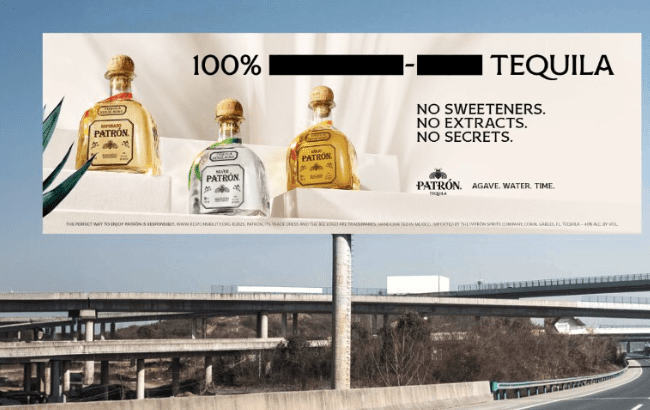
Total followers: 4,342,382 | Frequency: 8.5 | Engagement: 8.5 | Consistency: 9 | Creativity: 9 | Total: 35
Patrón’s social media strategy in 2025 focused on premium craftsmanship, cocktail culture, and elevated entertaining, consistently delivering high-quality visuals and educational content that reinforces its position as a luxury Tequila brand. Its social presence felt sophisticated and polished, particularly on Instagram.
While the Bacardi-owned brand’s content was (and continues to be) executed well, it often centred on the product and cocktail occasions rather than larger lifestyle narratives, resulting in engagement that could be described as solid but rarely packed with the same level of social buzz as some of its competitors.
8. Jack Daniel’s

Total followers: 17,704,975 | Frequency: 8.5 | Engagement: 8.5 | Consistency: 10 | Creativity: 8 | Total: 35
As one of the world’s cult brands (just look at its follower numbers for proof), Brown-Forman-owned Jack Daniel’s maintained a consistent social media presence in 2025, leveraging its heritage, craftsmanship, and authenticity to create content that resonated with long-time fans while remaining accessible to younger audiences.
Music partnerships, motorsports associations, and whiskey education remained important pillars of its strategy, but it lacked the fluidity and authenticity seen in its competitors’ content. In some cases, it’s quite obvious how many levels of approval a post has gone through before it’s been signed off for posting, but perhaps that’s a cross you have to bear when you’re one of the biggest whiskey brands in the world.
Having said that, while Jack Daniel’s may not generate as many viral moments as some of the other brands in our top 10, it has continued to benefit from exceptional brand recognition and a loyal audience that regularly engages with its content.
7. Aperol
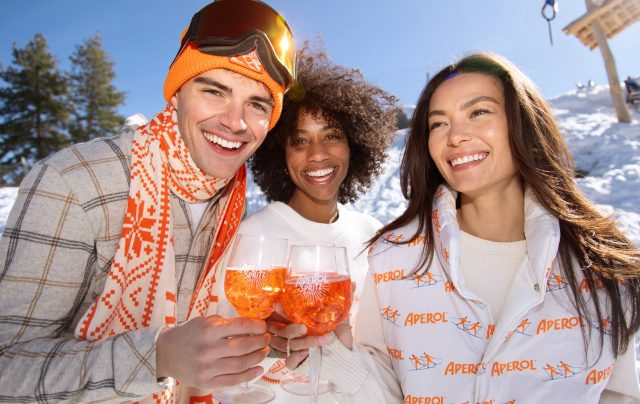
Total followers: 1,263,685 | Frequency: 8.5 | Engagement: 8.5 | Consistency: 10 | Creativity: 8 | Total: 35
For many, Aperol isn’t just a brand – it’s a way of life, and its social media team knows that. As such, it remained one of the strongest lifestyle brands on social media in 2025. With its instantly recognisable visual identity, the brand consistently reinforced themes of social connection, outdoor gatherings, travel, and celebration.
Rather than focusing on product attributes, Aperol sells a lifestyle, making its content highly shareable and aspirational. Instagram remains the cornerstone of the brand’s strategy, with vibrant imagery and user-generated content helping sustain engagement. And there’s no escaping the orange running consistently throughout.
6. Jameson
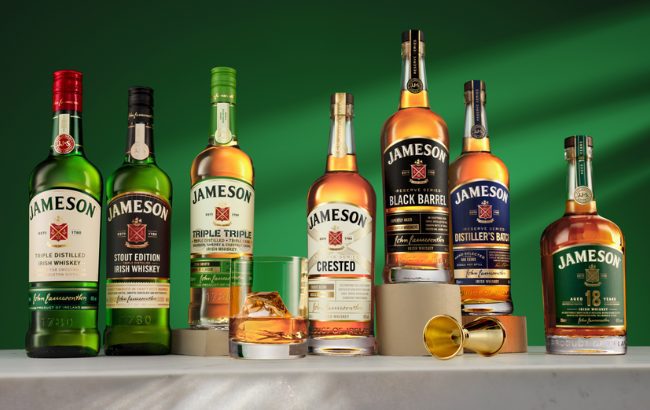
Total followers: 4,208,266 | Frequency: 9 | Engagement: 9 | Consistency: 9 | Creativity: 9 | Total: 36
Across Instagram and TikTok, Pernod Ricard-owned Jameson demonstrated a strong understanding of audience engagement and local relevance throughout 2025, and while its content hasn’t always been the most visually ambitious or disruptive, that isn’t necessarily a bad thing.
It certainly didn’t hinder the brand’s ability to generate interaction, anyway. If anything, it reinforced its approachable personality, and rather than relying on a handful of major campaigns, the Irish Distillers’ whiskey excelled through continuous engagement, regular content publishing, and a strong mix of music, sports, cultural events, and community-focused initiatives – basically sticking to what it does best.
5. Malibu

Total followers: 2,465,575 | Frequency: 8 | Engagement: 9.5 | Consistency: 9.5 | Creativity: 9.5 | Total: 36.5
Last year’s second-placed spirit on the Social Media Hero podium, Malibu, continued to excel as a social-first brand built around fun, escapism, and summer culture, which meant its content translated particularly well to TikTok and Instagram Reels, where bright visuals, creator collaborations, and trend participation helped drive engagement.
The brand’s relaxed personality naturally makes it one of the more entertaining spirits brands on social media, with some very strong and effective brand recognition. But the challenge for Malibu is that its positioning remains heavily tied to tropical and summer themes, which can occasionally limit the variety of content. However, its understanding of platform culture and short-form content has helped it to maintain relevance with younger consumers throughout the year.
4. Don Julio
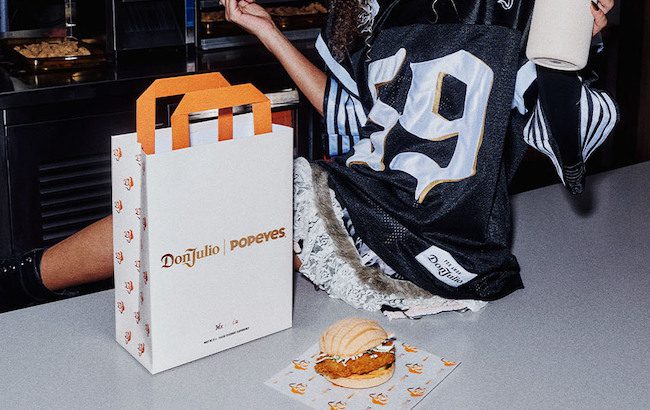
Total followers: 2,367,000 | Frequency: 9 | Engagement: 9 | Consistency: 9.5 | Creativity: 9 | Total: 36.5
Across Instagram and TikTok, Don Julio’s 2025 saw the brand consistently produce engaging and shareable content that felt native to each platform.
The brand balanced premium aesthetics with social relevance exceptionally well, avoiding the overly polished feel that can limit engagement for luxury brands. Its campaigns generated strong conversation while maintaining a clear and consistent brand identity. Plus, partnerships such as the Peggy Gou collaboration helped to extend the brand’s relevance beyond Tequila consumers and into broader cultural conversations.
3. Teremana
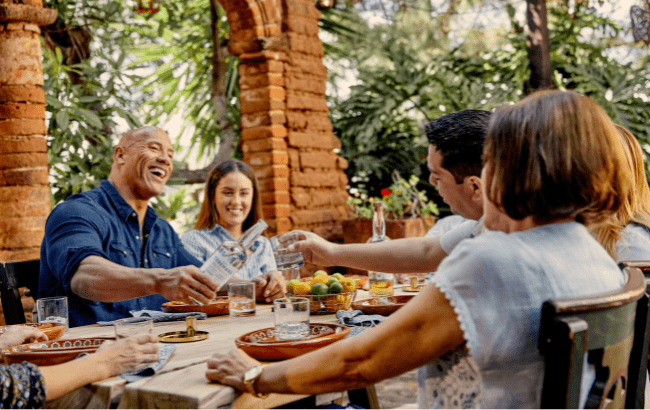
Total followers: 871,487 | Frequency: 9.5 | Engagement: 9.5 | Consistency: 9 | Creativity: 9 | Total: 37
Despite having a total social media following of below one million, Teremana’s social media success last year remained closely tied to the personal brand of founder Dwayne ‘The Rock’ Johnson, who boasts an Instagram following of 382 million.
The Tequila brand benefited from Johnson’s enormous reach and highly engaged audience, creating a level of authenticity that many celebrity-backed brands struggle to achieve. Content frequently highlighted product moments, community stories, charitable initiatives, and behind-the-scenes looks at the brand’s development, which helped to keep the engagement rolling in.
2. Hennessy
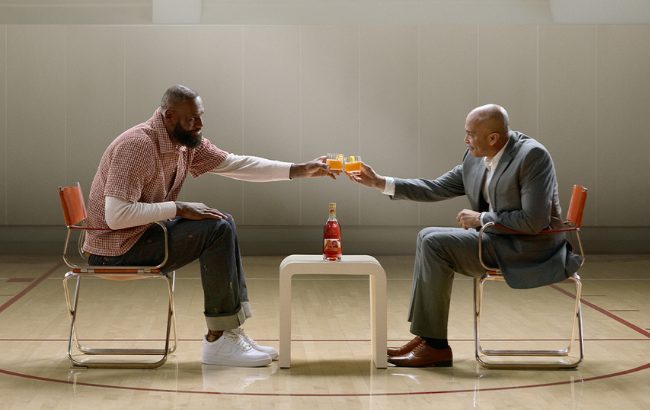
Total followers: 4,433,206 | Frequency: 9 | Engagement: 9.5 | Consistency: 9 | Creativity: 9.5 | Total: 37
By balancing luxury positioning with strong connections to music, sport, art, entrepreneurship, and contemporary culture, LVMH-owned Hennessy dominated social media in 2025.
The brand’s Instagram content was particularly strong, featuring high-production-value videos, artist partnerships, and community-focused storytelling, often carrying huge cultural significance. Engagement was driven less by trend participation and more by authentic connections to influential creators, musicians, and cultural figures, which in turn helped the brand maintain a strong premium identity across platforms.
Social Media Hero 2026: Grey Goose
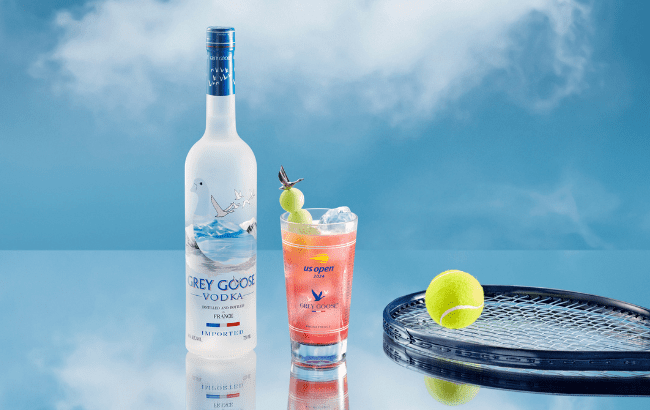
Total followers: 2,710,931 | Frequency: 8.5 | Engagement: 10 | Consistency: 9 | Creativity: 10 | Total: 37.5
The French vodka brand has spent the past year evolving its social strategy from traditional luxury alcohol marketing into a more culturally integrated, experience‐led model. Rather than relying purely on polished product imagery, the brand has leaned heavily into lifestyle storytelling, sports culture, influencer amplification, and cinematic campaign content, with the brand’s biggest social success being its iconic Honey Deuce cocktail, which is tied to the US Open.
Using a combination of influencer‐created content, fan‐generated posts, event footage, and meme and trend participation, the brand made the cocktail feel culturally unavoidable before, during and after the tournament window. By transforming a serve into a social object, Grey Goose has secured its role as a recurring internet native for every summer to come. But beyond that tournament period, the brand has kept a sense of fun – and what is more aspirational on social media than a good time?
Related news
Top 10 biggest-selling Brand Champions 2026