


Is moderation an opportunity for 50:50 Martinis?
As drinkers rethink their relationship with alcohol, two trends are beginning to intersect: a quiet vermouth revival and the rapid mainstreaming of moderation. Could this be the moment the 50:50 Martini has been waiting for?

Across the on-trade, vermouth sales are on the up, thanks to the product’s increased use in cocktails and its presentation as a stand-alone apéritif. Meanwhile, moderation and mindful alcohol consumption are also reigning supreme.
This broader cultural shift toward lower-ABV drinking and more intentional consumption is being driven by younger drinkers, with Gen Z opting to ‘drink differently’, increasingly favouring serves that offer complexity without excessive strength.
In that context, vermouth, with its typically mid-range ABV and botanical complexity, sits in a uniquely advantageous position, and it appears that this intersection is creating space for a new kind of classic to re-emerge: the 50:50 Martini.
The classic Martini has seen a surge in popularity in recent years, though more often on the drier side, with a stronger ratio of gin or vodka to vermouth. However, the Dirty Martini is also benefitting from a resurgence thanks to a rise in savoury-led profiles and its slightly lower ABV. It is this latter factor that may mean the 50:50 Martini could be the next serve on its way to having some time in the spotlight, as the equal-parts build aligns almost perfectly with today’s priorities.
A typical 50:50 Martini usually boasts an ABV of around 20%-24%, compared with a spirit-forward 5:1 Martini, which might sit more typically around the 35% ABV mark. While still sitting on the punchier side, this lower-strength version is certainly more appealing to those who would like to be able to walk out of a bar in a straight line, and wake up the next morning with a clearer head.
For Rob Asterley, co-founder of vermouth and amaro producer Asterley Bros, this surge in popularity of 50:50 and wet Martinis, which feature more vermouth than many modern versions but don’t necessarily boast an equal parts ratio, “makes complete sense when you think about the broader trends,” as it is “a bit more approachable than a bone-dry, spirit-forward serve”.
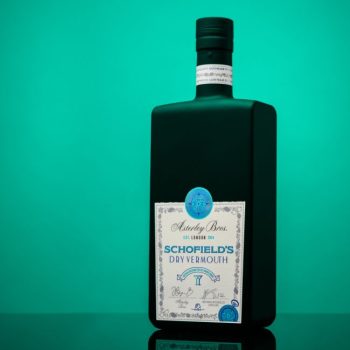
He explains that Asterley Bros developed Schofield’s Dry “specifically to hold its own in equal-parts formats, and bartenders tell us it changes the game in a 50:50 because you’re getting genuine complexity from the vermouth rather than just dilution”.
He shares that London’s top cocktail bars are leading the way when it comes to the wetter style of Martini. “Hawksmoor have always championed the proper Martini, and we’re seeing more of their guests explore the wetter end of the spectrum. New York is another hotspot. The Martini culture there is extraordinary right now, and the 50:50 offers a natural entry point for drinkers who find a classic dry Martini too punchy,” he says, adding that it’s the perfect serve for showing “what a craft English vermouth can really do”.
Robyn Evans, global brand ambassador for Brown-Forman-owned Gin Mare, has also seen wetter styles featuring more prominently on menus across London, with Tayer + Elementary’s One Sip Martini being a prime example of this style of drink. “I’ve noticed that composed Martinis often fall in the wet category as this is more approachable for guests,” she says.
In Germany, Mario Sel, bar manager at Rosewood Munich’s Bar Montez, also confirms that 50:50 Martinis are making a comeback. “While many guests still enjoy very dry Martinis, more people are rediscovering vermouth and seeking lighter, more aromatic cocktails. A 50:50 Martini offers less alcohol but more complexity, reflecting the modern trend toward balanced drinks rather than purely spirit-forward ones.”
Sel shares that at Rosewood Munich’s new Secret Martini Bar, which will be opening this year, they will be serving a 50:50 Martini to keep in line with this trend.
But Sam Nellis, head bartender at Silver Lyan in Washington DC, says that while 50:50 Martinis remain “exceptionally popular with bartenders”, the general public still needs to be talked into it a little bit more. But, he shares, “once they have it, it’s life changing with many people often expressing it’s the best way to drink a Martini.”
While Nellis is seeing some gradual consumer success with the format in DC, it’s a different story for Jonas Bittencourt, beverage director at Chicago bar Nightcap, where he says vermouth is often shunned entirely by his Martini-drinking customers. “I ask people all the time, ‘do you want vermouth in your Martini?’ And they’re like, ‘gross, absolutely not’,” he shares. “I think most people don’t even know what vermouth tastes like.”
He clarifies that in the US, they have to specify with the customer on whether they want vermouth in their Martini, “and most people say, ‘I just want vodka and the most amount of olive juice you’ll give me’.”
Nellis believes this consumer approach, which he has seen specifically in the Midwest, is down to a lack of education on cocktails and their composition in the US, and a series of potentially bad experiences caused by mishandled vermouths that have been served oxidised and warm. “I feel it’s important to have a conversation and talk about why things make sense, especially as vermouth has such a vital part in that cocktail,” he says, adding that without an understanding of vermouth as a fortified, aromatised wine with its own structure, bitterness and aromatics, guests likely see it as a “watering down” of their spirit, rather than a balancing, structural component.
Nellis adds that “non-drinks media is still pushing dry Martinis, so people think that’s the ‘right’ way to drink Martinis.”
Choosing the right vermouth and spirit
So is there a ‘best practise’ for making a 50:50 Martini?
“It really depends on the base spirit,” explains Sel. “For gin Martinis, classic dry vermouths like Noilly Prat or Dolin work beautifully, supporting the gin’s character while adding balance, herbal complexity, and depth. For vodka Martinis, temperature and texture become more important, so we often create blends of different vermouths to add complexity while keeping the vodka’s clean profile. At the bar, we offer a range of Martini styles, ensuring there’s something for everyone.”
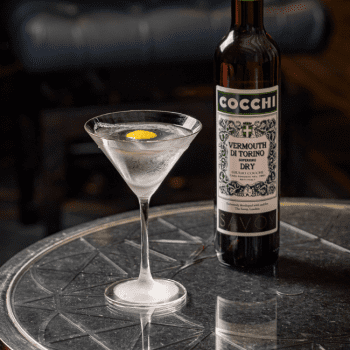
Giorgio Bava, export area manager at Giulio Cocchi, adds: “The rise of high-quality, extra-dry vermouths, such as our Cocchi Vermouth di Torino Extra Dry, has encouraged experimentation, allowing the vermouth to shine and giving drinkers the chance to explore and appreciate this often-overlooked element of the cocktail.”
This, he says, also reflects a desire to connect with the original ‘wetter’ Martini recipes. “Extra-dry [vermouth] expressions contribute depth, freshness, and elegance, with bright citrus notes, characteristics that pair perfectly with twists of lemon peel. Our Extra Dry exemplifies this fresh, nuanced style that Martini enthusiasts are increasingly seeking.”
When making a 50:50 Martini at home, Evans suggests turning to Gin Mare’s citrus-forward variant, Capri, which is made with Sorrento lemon and Italian bergamot. “Gin Mare works too, but its aromatics demand a vermouth that can stand up with it,” she explains. “Gin Mare Capri is citrus-forward, lighter and a bit more floral than Gin Mare,” making it a good spirit to fit in with most vermouth varieties.
To read more about vermouth’s rise in popularity across the on-trade, pick up a copy of the April issue of The Spirits Business magazine.
Related news
How the Martini glass became more than the Martini