


Earth Day: top carbon-neutral distilleries
To mark this year’s Earth Day (22 April), we’re spotlighting the spirits producers leading the shift towards a more climate-positive industry.

As the drinks industry reckons with its environmental footprint, a handful of distilleries around the world are proving that great spirits don’t have to come at the planet’s expense.
Arbikie Distillery
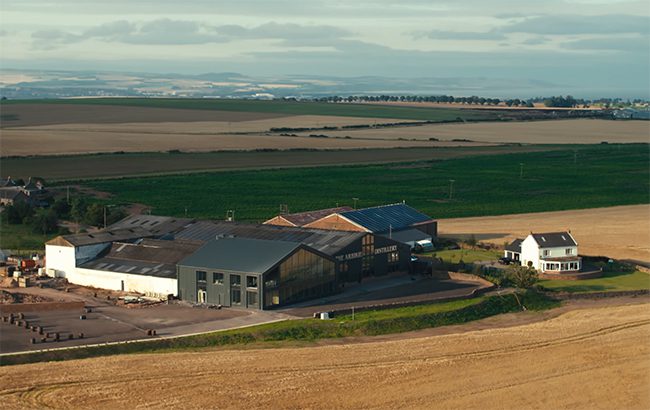
Scotland’s Arbikie Distillery is a pioneer of climate-positive spirits, with each of its bottles boasting a negative carbon footprint, powered by innovations like green hydrogen energy.
The distillery limits CO₂ through the distillation process, and uses by-products as fertiliser. It even uses old barrels as vehicle spacers instead of paint.
Novo Fogo
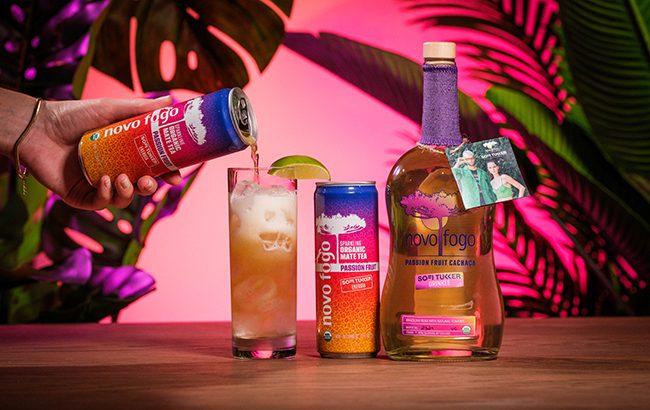
Novo Fogo is a 100% organic cachaça created at a zero-waste, carbon-negative distillery in Brazil’s Atlantic Rainforest.
The forest is at the heart of the brand’s operations, with the company dedicated to protecting it. Its initiatives include the Un-Endangered Forest project, which aims to prevent the extinction of more than 40 native tree species.
It grows its sugarcane without chemicals and processes it by hand in small batches. Plus, its distillery is built on a slope, meaning liquids move using gravity instead of motorised pumps.
Cooper King
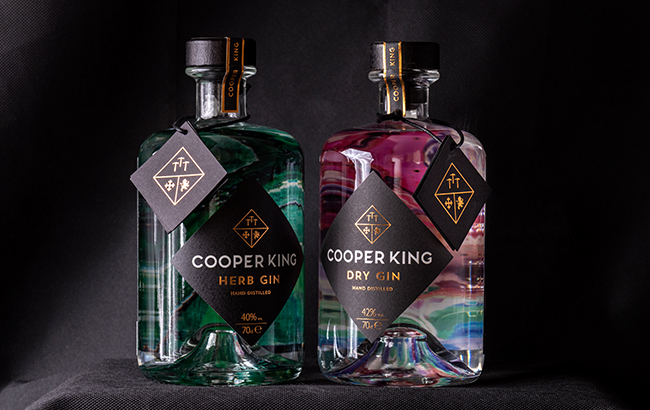
Cooper King Distillery has positioned itself at the forefront of low-impact spirits production, moving beyond carbon neutrality into carbon-negative territory.
The Yorkshire-based distillery runs entirely on 100% renewable energy and has systematically reduced emissions across sourcing, production, and packaging.
Its flagship gins go further, with each bottle removing more CO₂ than it emits, offsetting beyond neutrality while funding verified carbon reduction projects and UK woodland creation.
Two Drifters Rum

Two Drifters is a distillery that treats carbon as a cost to eliminate, and is one of the most sustainable distilleries in the UK.
The rum producer has become a benchmark for transparency in sustainable spirits, positioning itself not just as carbon neutral, but fully carbon negative.
Based in Devon, the distillery runs entirely on renewable energy and uses an all-electric production process, significantly reducing emissions at source.
Every stage of the production process, from sugarcane farming to bottle recycling, is measured and minimised. Any unavoidable emissions are permanently removed using direct air capture technology, meaning the business removes more CO₂ than it produces.
Industria Licorera de Caldas

Spirits company Industria Licorera de Caldas (ILC) is the first Colombian firm to be awarded a Carbon Neutral Footprint certification for its entire portfolio.
Based in Manizales in Colombia’s coffee-growing region, ILC operates with a strong focus on biodiversity protection, renewable energy, water stewardship and circular economy principles, while actively contributing to social development across the territories in which it operates.
In addition to its Carbon Neutral Footprint certification, ILC is now also the first spirits company in Colombia, and among only 10 worldwide, to have achieved verified Water Footprint certification.
Nc’nean
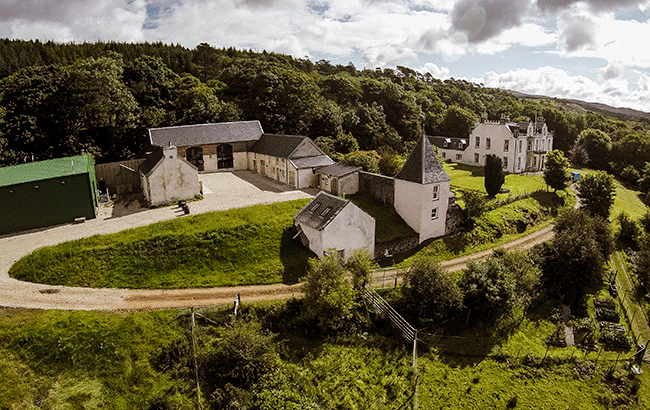
Nc’nean Distillery stands out as one of the UK’s most ambitious low-impact whisky producers, becoming the first Scotch distillery to achieve verified net-zero carbon emissions in its operations.
Powered entirely by renewable energy, including a biomass boiler fuelled by locally sourced wood and green electricity, the distillery reduces emissions at source before offsetting the remainder through certified carbon removal projects.
Designed with sustainability at its core, Nc’nean also uses organic Scottish barley, 100% recycled glass bottles, and rigorous waste and water reduction systems.
Kimbland Distillery
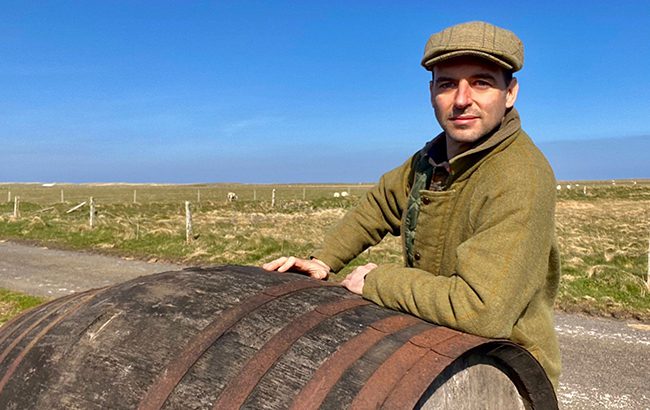
Kimbland Distillery, located on the Orkney island of Sanday, has positioned itself as an outlier in sustainable whisky, claiming to operate with a carbon-negative production model.
From its earliest conception, the distillery set out not just to reduce emissions but to actively remove more carbon from the atmosphere than it produces, embedding low-impact practices from grain sourcing through to distillation.
Aspen Distillery
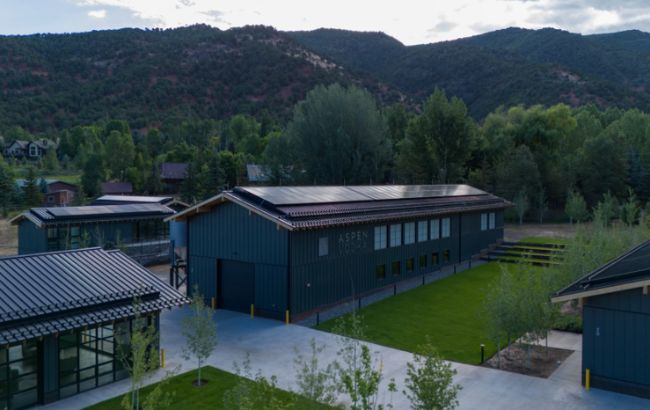
Aspen Distillery claims to be the world’s largest carbon-negative distillery.
In 2024, the distillery received the first-ever LEED Platinum v4 certification in North America for a distillery facility – the highest standard for building energy efficiency designated by the US Green Building Council.
The brand is dedicated to sustainability, employing clean energy sources, reducing environmental impact, and using non-GMO, pesticide-free ingredients to ensure that every bottle of its vodka offers a taste of luxury while standing as a testament to ethical and sustainable production practices.
Adam Rosen, CEO of Aspen Vodka, explained: “With Aspen Vodka, we always want to reflect and honour Aspen, Colorado and therefore sustainability has been a key foundation of our vodka making process. Our distillery is not only LEED platinum certified but is on its way to the highest accreditation of the Living Building Challenge.”
Annandale Distillery

Annandale Distillery in Annan, Dumfries and Galloway, has been taking a significant step toward low-carbon whisky production thanks to a partnership with Exergy3.
The project replaces fossil-fuel-based heat with renewable electricity, generating high-temperature process heat essential for distillation while dramatically reducing emissions. By integrating thermal energy storage powered by otherwise wasted wind energy, the distillery is tackling one of the industry’s hardest decarbonisation challenges.
As part of a wider 12-step plan, which includes on-site maturation, reduced transport, and waste reuse, this innovation moves Annandale closer to its goal of producing truly low-carbon whisky, positioning it at the forefront of sustainable distilling.
Related news
On-trade experts give free sustainability advice