

Future gazing: spirits trend predictions for 2026
Following a 2025 that featured tariffs, taxes, lawsuits and innovations – we look at the five main movements that are likely to dominate and shake up the spirits sector in the next 12 months.

In 2025, we predicted consumers would be calling for authentic storytelling from brands and agave spirits from beyond the borders of Mexico. This year, we’re forecasting the multiplication of core production processes, a demand for experimental flavours from whisky producers, and a lot more ingredient transparency from Tequila makers.
Pushing the boundaries of distillation
Tradition is one reason Scotch producers usually stop at two distillations, and why most Irish whiskey makers opt for three. But beyond custom, cost is a major barrier: putting a spirit through an extra one, two, or even three distillations dramatically reduces output, and can turn a week’s production from roughly 200 casks into just 30-40. Still, this year more producers may be willing to absorb the financial hit in pursuit of experimentation, innovation and, above all, enhanced quality and flavour.
In November 2025, Islay’s Bruichladdich unveiled the world’s first quadruple-distilled Scotch whisky, reviving a concept first explored by Jim McEwan in 2006. While a fourth distillation yields a markedly smaller volume, it produces a whisky “like no other in our warehouses”, according to master blender Adam Hannett, making a spirit that is unique in strength, character, and flavour.
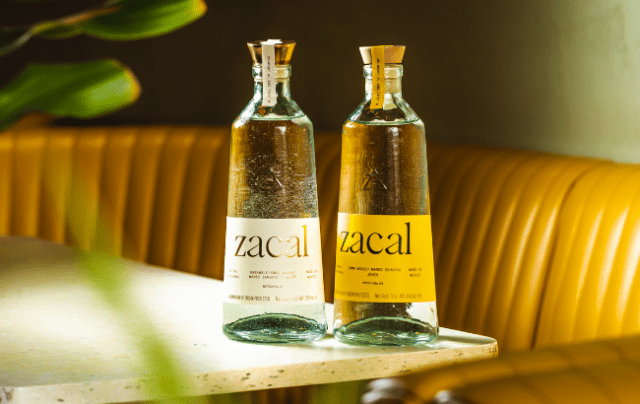
The master distiller of small batch mezcal brand Zacal introduced a third distillation to craft a spirit with a more delicate, refined profile. While mezcal is traditionally double-distilled and known for pronounced smokiness, triple distillation strips much of that smoke away, challenging mezcal’s expected flavour profiles by highlighting the plant’s true natural sweetness.
Flavoured whiskies
The flavoured whisky category is reported to be the fastest-growing whisky segment globally, and is expected to grow by a CAGR of 7.3% between now and 2035 (openpr.com), while its value is forecast to reach US$65.3 billion in the same time frame (up from US$32.2bn now).
In 2025, flavoured whisky launches were some of our most-read stories on The Spirits Business, with Crown Royal’s Blackberry (which was soon replicated by Jack Daniel’s) and Chocolate expressions among the most clicked of the year, suggesting the appetite for flavoured whisky among consumers is ravenous.
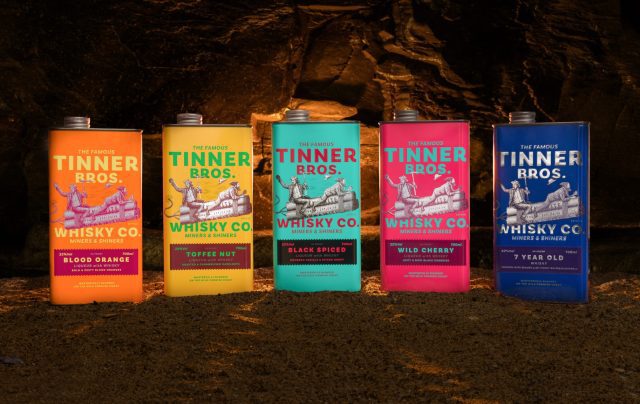
In March, Southwestern Distillery unveiled its Tinner Bros flavoured whisky liqueurs in tins, featuring four ‘on-trend’ flavours: Blood Orange, Toffee Nut, Black Spiced, and Wild Cherry. Master distiller Tarquin Leadbetter said at the time: “Flavoured whisky is growing 50% faster than traditional whisky, creating the perfect opportunity for category acceleration by attracting younger drinkers – particularly Millennials and Gen Z.”
Tequila production transparency
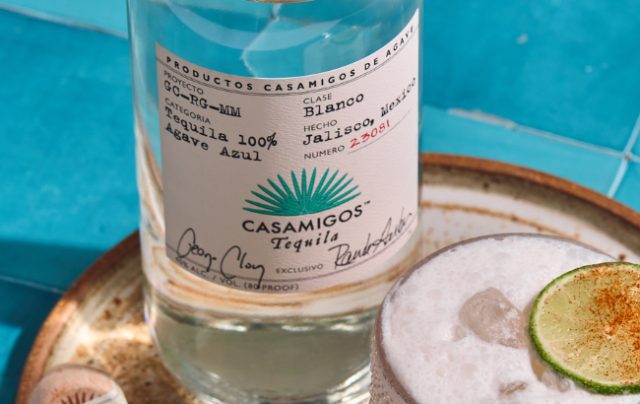
Last year was one filled with drama for the Tequila category, specifically so for a handful of brands that found themselves on the wrong side of lawsuits. Michael Jordan-owned Cincoro Tequila, and two of Diageo’s leading Tequila brands, Don Julio and Casamigos, were accused of allegedly falsely labelling their products as being ‘100% agave’. All three brands denied the accusations.
Similarly, in September a class-action lawsuit was filed against Kendall Jenner’s 818 Tequila brand in Florida, in which the plaintiffs alleged the company “actively concealed and misrepresented the true nature” of its manufacturing process, claiming non-agave sugars enhanced the Tequila’s profile, despite the “100% agave azul” labelling.
We expect many marketing efforts will be increased to strongly communicate brands’ production processes to consumers.
Canadian spirits
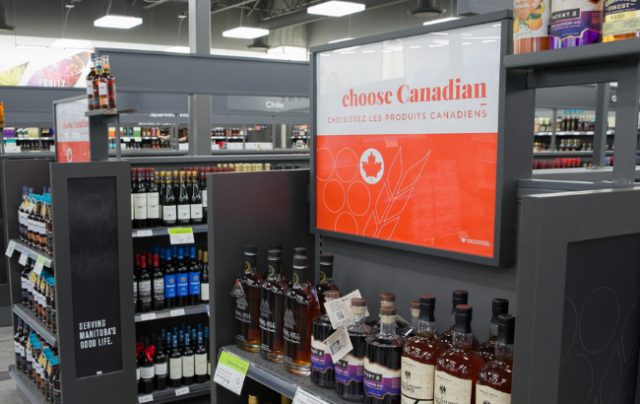
Canada quickly showed it was not to be messed with when US president Donald Trump started throwing his weight around with sweeping global tariffs, retaliating by taking US spirits off its retail shelves. A strong “buy Canadian” movement has surged since, and several provinces are now selling off their remaining US inventory, with no plans to restock.
The shift appears long-term – and Canadian whisky has been the clear winner so far. According to NIQ’s On-Premise Measurement data for the 12 weeks ending 12 July, Canadian whisky surpassed American whiskey in both volume and value share in the on-trade. Over the same period, Canadian whisky sales grew 5% in value year on year, while American whiskey sales fell by a third. The Liquor Control Board of Ontario reported customers trading up to super-premium and deluxe Canadian whisky priced similarly to American options.
Mid-strength spirits
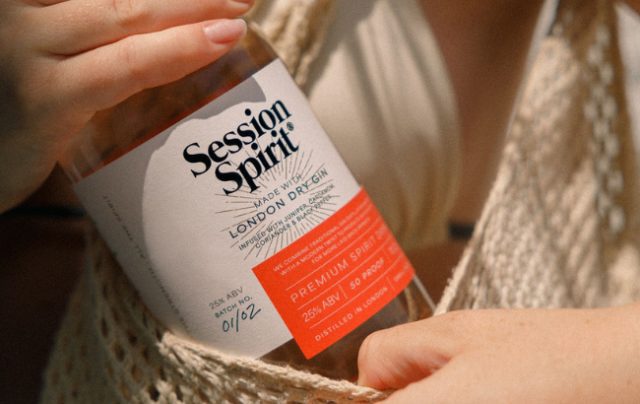
Reports over the past year have been mixed about whether Gen Z is avoiding alcohol, or embracing it more than we all thought. But it is clear that moderation is rising across all generations, with consumers increasingly adopting habits such as ‘zebra striping’, reducing overall intake, or opting for lower-ABV options. As this shift continues, it appears more people are gravitating toward mid-strength spirits – between 10% and 25% ABV – allowing them to reduce alcohol units without taking them off the table entirely.
In March 2025, a collective of mid-strength brands partnered with mindful-drinking movement Club Soda to launch a campaign spotlighting the category. The Mid-March activation opened with research from KAM Insights about the category’s rapid growth and evolving consumer behaviour. The study said half of consumers would rather have two mid-strength drinks than one full-strength serve when opting for “just one” at the pub. And Wise Bartender, an online retailer for low and no-alcohol drinks, launched the UK’s first retail platform for mid-strength drinks.
Related news
Selva Negra's 40% growth defies market trends
Drink flights, dive bars and more: cocktail trends for 2026
Desserts, indulgence and nostalgia – are these the next big liqueur trends?