

UK hospitality seeks support from new PM
Organisations representing the UK on-trade are looking to prime minister Andy Burnham for VAT and business rates reductions, along with new guidance on tipping.
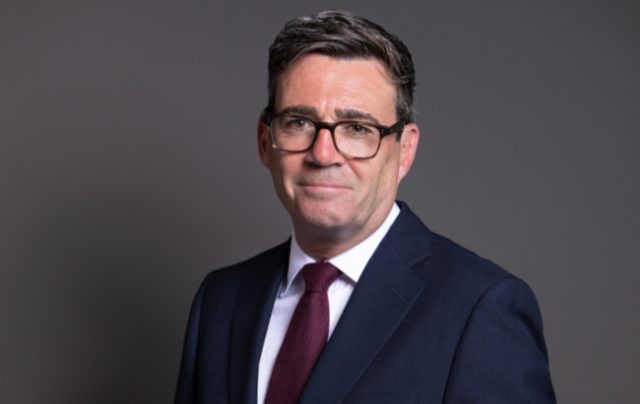
As newly appointed UK prime minister Andy Burnham’s policy agenda begins to take shape, hospitality unions and trade organisations are looking for concrete assurances about what his government will do for the sector.
The prime minister is expected to announce a 20% cut to business rates in the coming days, in accordance with a pledge made on 29 June this year.
Burnham had previously backed reducing VAT for hospitality from 20% to 10%, although he has yet to make a formal commitment on the matter.
Allen Simpson, chief executive of trade body UKHospitality, said: “Our sector is an economic powerhouse with huge opportunity, but that potential is being constrained by a significant tax burden.
“A permanent reduction in hospitality VAT to 10% would not only unlock investment and job creation, but also help make hospitality more affordable for consumers. Alongside lower business rates and reduced employment taxes, it would help deliver the growth the prime minister wants to see.”
The previous UK government under former prime minister Sir Keir Starmer implemented a 15% discount on business rates for pubs in April 2026.
The move was criticised by trade bodies including the Night Time Industries Association, which described it as “little more than a drop in the ocean”.
More than 300 UK hospitality venues closed in the first quarter of 2026, according to data released by NIQ, which cited rising food, drink, labour and energy costs as contributing factors.
The ‘VAT’s the Problem’ campaign, spearheaded by chef Tom Kerridge, has called for a potential VAT reduction as ‘the most impactful measure to support hospitality’.
Campaign organisers described the tax burden currently facing hospitality operators in the UK as ‘devastating’, claiming as many as 23% are operating at a loss and 5% reported their businesses are unviable as a result.
“We stand ready to work with the new government to ensure hospitality is recognised,” added Simpson. “Not simply as a contributor to the economy, but as a vital partner in unlocking growth, creating opportunity and supporting every community across the UK.”
UKHospitality has also asked Burnham for clarity on proposed changes to the legislation surrounding tipping and gratuities that were due to come into force on 1 October 2026.
The tipping point
The UK government introduced a draft tipping code of practice on 29 June that would have required employers to consult with workers about how tips and service charges are distributed.
The new code was withdrawn without explanation on 9 July.
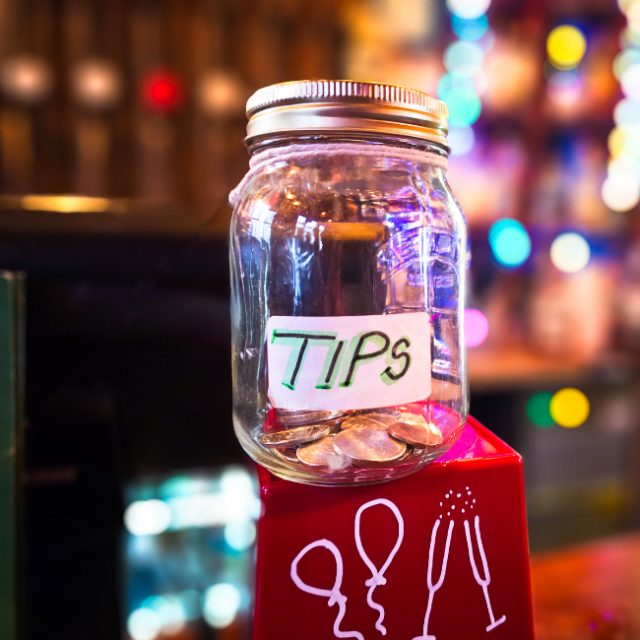
Uncertainty around whether updates to The Employment (Allocation of Tips) Act 2023 will go ahead has drawn fire from the on-trade.
UKHospitality further commented: “We were already concerned about changing a law introduced so recently and working effectively for both teams and employers, and the withdrawal of a new code of practice just three months before its implementation leaves businesses in limbo.
“Once again, hospitality businesses are left with absolutely no certainty or clarity on what is expected of them. We are pressing the government to urgently come forward with an explanation as to why the draft code has been withdrawn and how it intends to proceed with these changes.”
The Spirits Business has contacted the UK government’s Department for Business and Trade for comment on the withdrawal.
Another expected policy change that is now uncertain would require employers to revise their tipping policies every three years.
Mark Taylor, partner at London-based accountancy and advisory firm Buzzacott, said: “One of the most useful messages contained within the withdrawn draft code was that tipping policies should not become static documents. Many hospitality businesses implemented policies before October 2024 and have not reviewed them since.
“Even where no formal review requirement currently exists, these developments can create a disconnect between written policies and day-to-day operational practice. A policy that was appropriate in 2024 may no longer accurately reflect how tips are distributed in 2026.”
While the ambiguity around changes to tipping legislation may be concerning for some, trade union Unite welcomed the withdrawal of the draft code.
A spokesperson for Unite said: “Unite is pleased that the government has listened and has withdrawn the code of practice. It is now essential that the government listens and consults with workers as it’s their experiences and concerns that need to be understood and taken into account to ensure the code of practice becomes fit for purpose.
“Unite is keen to work with the government to ensure the best outcome for hospitality workers.”
Unite has criticised successive drafts of the proposed policy updates, describing their wording as “insulting” and “derogatory” while calling for workers to gain full control of tips and gratuities.
With further policy announcements expected in the coming days, the new prime minister’s relationship with the hospitality sector will become clearer.
The previous government under Sir Keir Starmer experienced significant backlash from the on-trade last year over VAT and tax burdens, which saw Labour MPs barred from pubs across the country.
Whether Burnham will be welcomed by venues in the UK remains to be seen.