


What are bartenders loving and hating right now?
Some of the best bartenders from around the world predict what will be in and what will be out this year.

*This feature was first published in the February issue of The Spirits Business magazine.
Holly Graham, Tokyo Confidential, Niseko Confidential, and Tepache, Japan
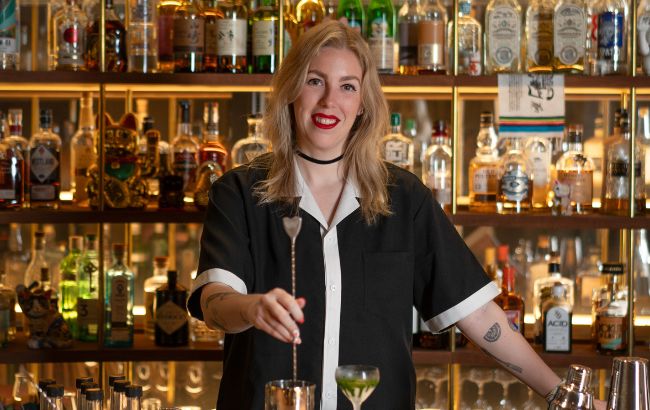
IN: “Bringing the fun back to bars: throwing parties; controlled chaos; silly shit; a convivial ‘everyone in it together’ mentality between staff and guests; guests choosing their own adventures rather than being dictated to; disco; dancing; sing-alongs. We’ve all been through so much as humankind and as an industry. I love a high-concept bar, but you can take your drinks and hospitality seriously while still having fun. Some of my favourite nights at my bar have been passing the karaoke mic around or pouring impromptu Champagne towers just to make people happy. They feel a part of something and, after all, isn’t that what bars are about?”
OUT: “Taking yourself too seriously. It’s all for fun and none of us is getting out of here alive, so dance ‘til ya dead!”
Alex Francis, De Vie, France
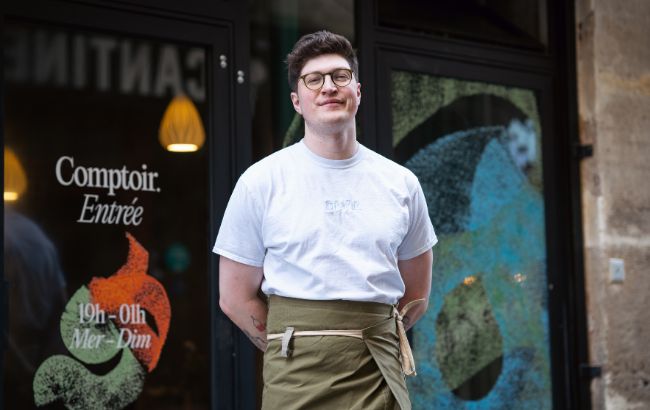
IN: “I hope we see a continued growth in cocktail tasting menus and tasting experiences. These allow guests to enjoy a variety of drinks without the inebriation that comes from drinking five full-size cocktails. They also make for a more sustainable, manageable business model in an increasingly difficult economy. I’d also love to see the continued growth of the low-and-no cocktail scene. Not only are guests looking to drink less, but bartenders are starting to convert. This will hopefully lead to more consistently interesting and exciting low-and-no drinks.”
OUT: “I would love to see less homogeneity in the drinks industry. The classic cocktail bar idea is that what defines a good bar is getting the same drink they have back home on the other side of the world. Hopefully, guests will embrace locality and seasonality, which brings not just diversity of flavour but of experience also.”
Gabriel Lowe, Cat Bite Club, Singapore
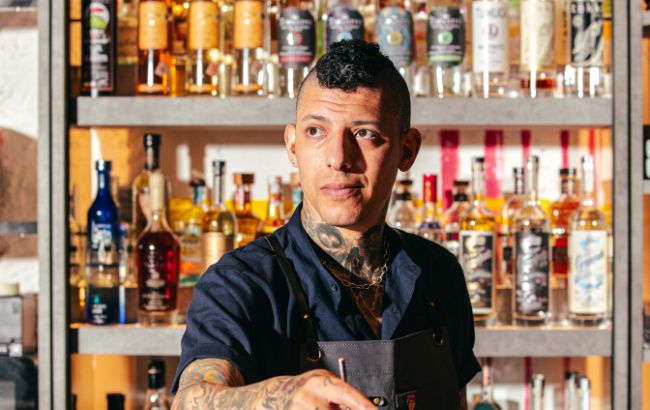
IN: “Spirits-first drinking and a deeper sense of place. We’re seeing guests becoming more curious about what’s in their glass – the raw material, the producer and the region. At Cat Bite Club, we feed that curiosity with our focus on agricultural spirits. Agave and rice spirits are having a real moment: Tequila, mezcal, raicilla, shochu and baijiu are full of character, shaped by climate, farming practices and fermentation techniques.
“On the technique side, the shift is towards restraint and clarity: simple infusions, forced carbonation, thoughtful acid adjustment. Tools not to decorate drinks, but to make flavours more precise, refreshing and expressive. We also see curated flights, half pours and guided tastings becoming increasingly important.”
OUT: “Anonymous menus and overdesigned cocktails. We think the next era will move away from copy-paste drinks, overloaded builds and concepts that could exist anywhere. In 2026, the bars that resonate most will be the ones with a clear point of view, a real sense of place and a team that can turn a pour into a story.”
Øyvind Lindgjerdet, Britannia Hotel, Norway
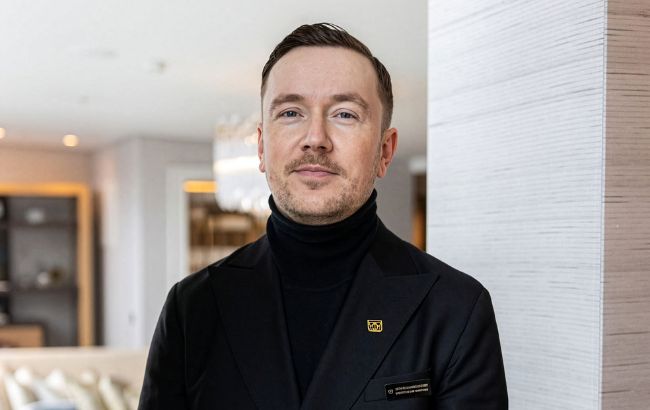
IN: “Simple drinks done properly. Not basic, just well considered. Regional flavours, good balance and ingredients chosen for a reason. In 2026, the best cocktails aren’t over-engineered; they’re simply well-balanced, with less emphasis on spectacle.”
OUT: “Unnecessary use of advanced techniques that don’t add anything meaningful for the guest. It doesn’t always need to be fancy; it just needs to be good. Substance, balance and purpose will always outlast complexity for complexity’s sake.”
Nikos Tachmazis, Avra Bar, Greece
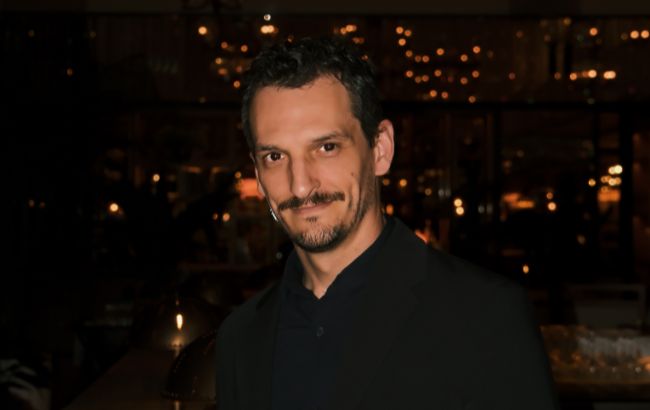
IN: “Intentional simplicity – cocktails built with fewer ingredients but a stronger sense of identity, clarity and balance. Technique applied only when it genuinely enhances the drink. Elevated low-alcohol and alcohol-free cocktails, crafted with the same precision, structure and respect as classic serves. A deeper connection to regional ingredients and producers, with cocktails rooted in place, seasonality and cultural storytelling. Sustainability-led preparation where ingredients are thoughtfully used across cocktails, food pairings and garnishes.”
OUT: “Overcomplicated cocktails. Cocktail competitions that prioritise performance, brand messaging, or judge-only serves over relevance and drinkability. Advanced preparation purely to impress, rather than to improve flavour or guest experience. Generic bar programmes and aesthetics replicated across cities without authenticity or a sense of place.”
Aurélie Panhelleux, CopperBay at Hôtel Lancaster, France
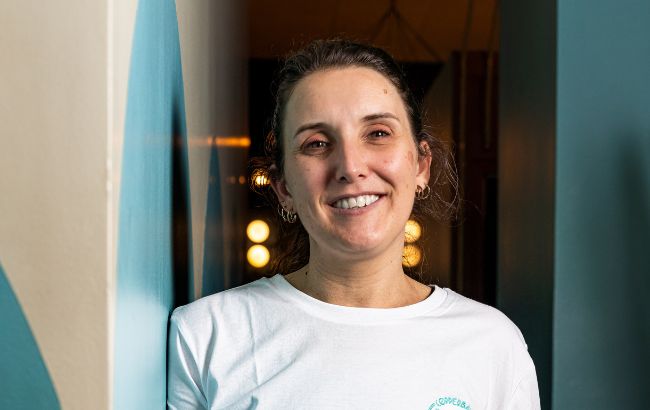
IN: “The tiny format, popularised by Tyler Zielinski, will continue to grow on menus, as it allows guests to taste more things while staying mindful of their consumption. The integration of non-alcoholic options into menus, rather than being separated into a different section, is also an important shift. The most important focus will continue to be providing excellent hospitality and understanding customer preferences, meaning we will continue to see the sustained popularity of classics with a twist.”
OUT: “Menus that are overly technical in their wording, cocktails that contain too many ingredients and the overuse of clear ice. Bars are adopting new types of glassware, so we may see changes with this.”
Bina Nuraga, Potato Head, Indonesia
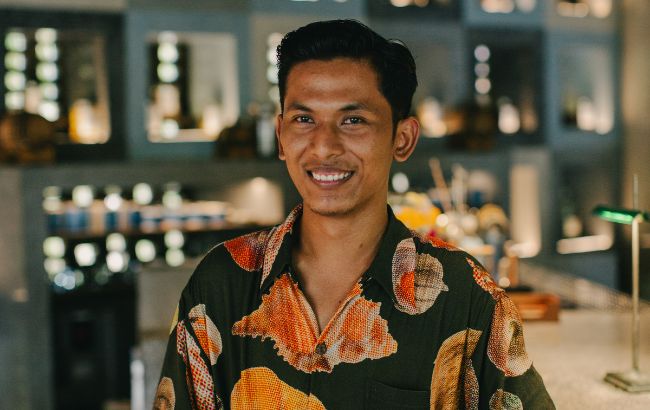
IN: “2026 will focus more on low-ABV cocktails. We saw last year that many guests prefer lighter drinks, especially Highballs. These drinks are easier to enjoy, more refreshing, and allow guests to drink longer without feeling too heavy. I think bartenders will be more creative and innovative in this category. Hard seltzer-style drinks could also become more common. Ready-to-drink products are everywhere and guests are already familiar with them. This style of drink fits very well in beach clubs and casual drinking, especially during the day. Another strong trend is drinks with multiple health benefits. We often see herbs and spices, such as cem-cem leaves, cinnamon leaves, and different dried fruits. These ingredients give flavour but also a healthy image.”
Alex Leidy, Silver Lyan, US
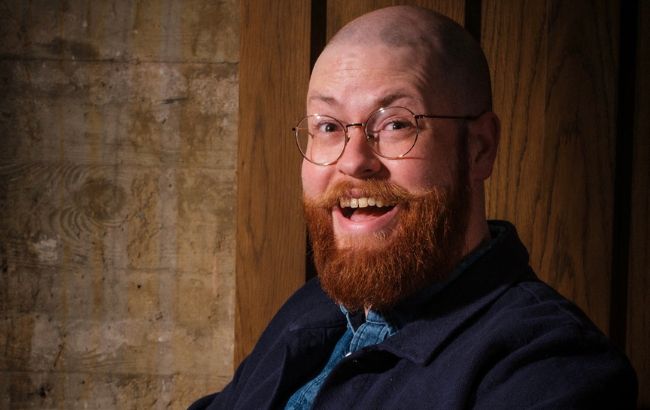
IN: “The biggest trend I see right now is bars applying contemporary techniques to classic cocktails – something that has ramped up over the past few years, with no sign of slowing down. In uncertain and anxious times, guests seek the well-known and time-tested. Some of the most exciting recent openings globally have won followings by applying the explosion of techniques developed over the past 20 years to drinks that are technically brilliant but instantly familiar on the palate. Not every bar is going back to classics, but there’s definitely a renewed appreciation for going back to the fundamentals with a modern flair.”
OUT: “The high-concept bar programme has been on the way out for a little while. There will still be bars with headier concepts that do very well, but in terms of new openings, I expect to see more bars embracing an identity as pubs, taverns, or classic cocktail bars rather than places trying to reimagine or deconstruct what we expect from a bar.”
Related news
RTD sales near £200m in Britain's on-trade