


Drink flights, dive bars and more: cocktail trends for 2026
From tiny serves to clay-aged cocktails, we look at the five biggest trends that are likely to light up the on-trade in 2026.
As we head into the new year, optimism may be in short supply – but resilience remains a defining trait of the on-trade. While economic challenges are likely to continue into 2026, many in the industry are finding ways to entice and please cash-strapped drinkers while still making a solid margin.
Here are the trends we think are poised to shape the industry in the coming year.
Mini cocktails take flight
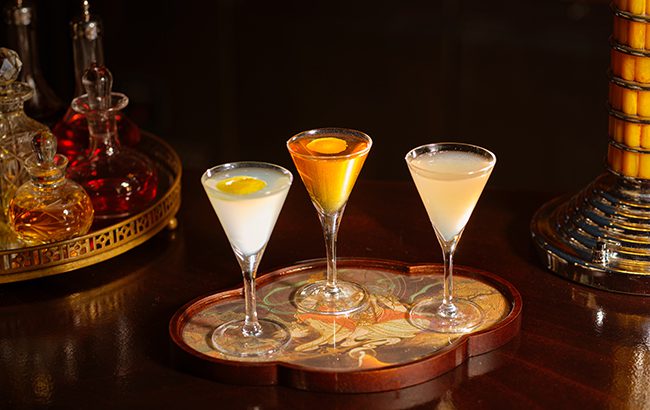
It seems 2025 truly was the year of the tiny cocktail. The craze began with the miniature Martini, with smaller serves providing all the flavour of a high-proof cocktail with fewer alcohol units. Tiny cocktails offer many benefits beyond moderation, such as maintaining a consistent temperature and being more budget-friendly in today’s economically fraught climate.
So why stop at just one? That seems to be the idea behind mini cocktail flights, which allow drinkers to sample multiple cocktails without overdoing it on price or proof – a bit like getting a trio of mini desserts. London’s Kapara embraced the idea for Negroni Week, offering five different cocktails, each available in half-sized form as part of a trio and paired with a dip and chips. Meanwhile, China Tang – which has bars in London, Hong Kong and Dubai – has launched an art deco-inspired flight that celebrates the flavours of its bars’ home cities. If you fancy doing it yourself, London’s Archive & Myth offers all of its cocktails in half-sized forms, meaning you can create your own flight during an evening.
The rise of high-class dive bars
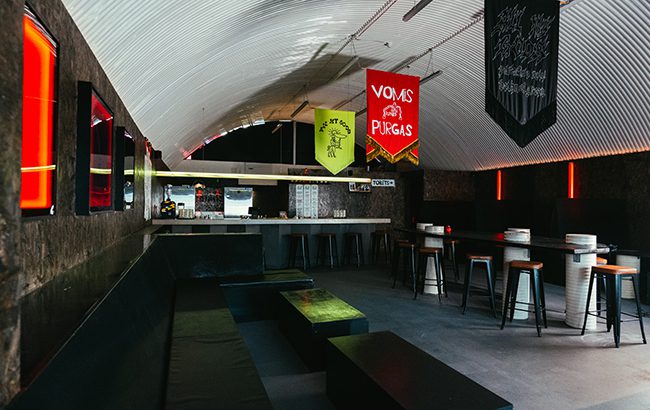
Picture this: snooker tables, hot dogs, shooters, perhaps a White Claw vending machine. Your dream bar or your worst nightmare? Once, venues shied away from the label ‘dive bar’. But in 2025, it’s a badge of honour. From Hello Hello in New York City to All My Gods in London, new openings are embracing the grit. Even Sydney got in on the act, with the Maybe Sammy team hosting a ‘raw’ pop-up called Little Cooler.
These bars differentiate themselves from traditional dive bars with thoughtful drinks programming that ensures guests get a world-class cocktail at a budget-friendly price – think Martinis for under a tenner at London’s Rasputin’s, or frozen Daiquiris on tap at All My Gods. The balance of high- and low-brow is perhaps best exemplified by Hello Hello’s Vodka Red Bull on draft, made with Ketel One, clarified cucumber, and green apple juice, and chamomile syrup – priced at US$16, which is pretty decent for Manhattan.
Third spaces and all-day concepts
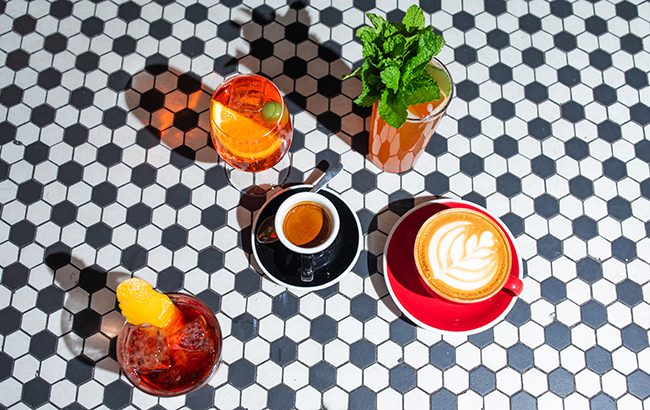
Most operators hope to extend the amount of time – and therefore money – a guest spends in a bar, but we’re seeing a rise in venues taking it to the next level by inviting people in all day.
New York’s Kabin recently started offering coffee and opening in the morning, while Robby Dow of Brooklyn’s Grand Army Bar transformed a coffee shop in Wilmington into an all-day café and aperitivo bar.
The trend also ties into a growing demand for third spaces. “The concept of the third space isn’t new, but it’s also not widely used in the hospitality world,” explains Tom Hogan, co-founder of hospitality consultancy Studio Ryecroft. “All our clients are searching to create their third space: building an environment that sits between work and home, bridging the gap to create community, connection, and comfort.” The ideal is creating a venue that is somewhere guests can exist comfortably whenever they need to.
Hit the clay
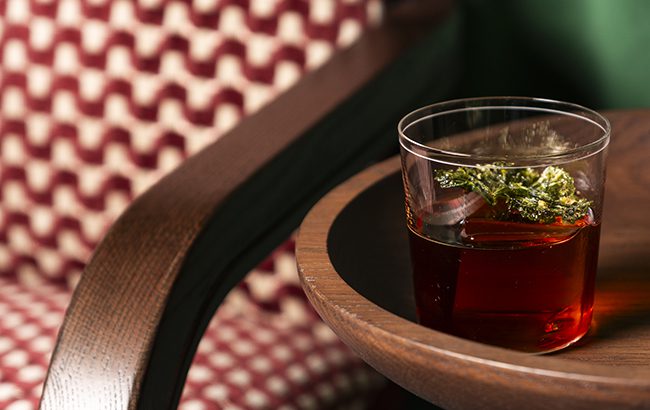
We’re no strangers to the concept of ageing here, but it’s certainly less common when it comes to cocktails. We’ve definitely witnessed a few barrel-aged Manhattans in our time, but 2026 could be the year of clay ageing. As Studio Ryecroft’s Tom Hogan explains, Georgian wines, Peruvian pisco and baijiu are all traditionally aged in clay. He says: “Unlike oak, clay doesn’t add flavour; it shapes texture. Its porous structure allows micro-oxygenation, softening sharp edges and opening up aromatics without the heavy vanilla or tannin of wood.”
Mancino Vermouth has been a proponent of clay-aged Negronis since 2015, but newer kids on the block include London’s Dram, which offers a clay-rested Martini made with Renais Gin, which uses clay as a botanical, and Canes & Tales in Osaka, which also uses the technique for a Negroni riff called Mr Icky. Hogan is also launching The House of Tan Yeok Nee, a bar in Singapore that will feature a host of clay-aged cocktails.
Citing your sources
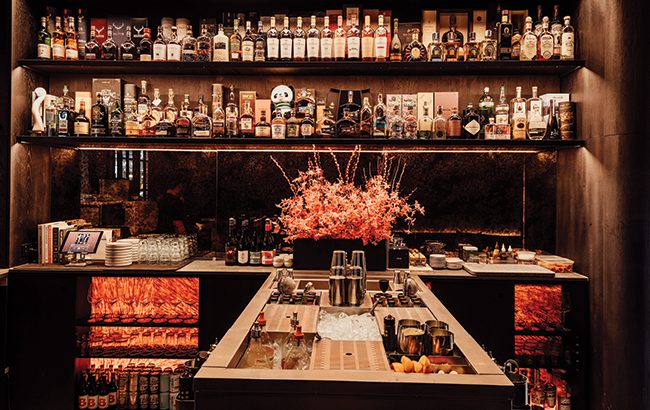
A lot of cocktail history is murky – who exactly invented the Martini, for instance? But as modern mixology has developed, so has our ability to record things.
Will this affect our ability to riff on classics? There’s no need to worry about being sued, but bars seem to be adding credits onto menus anyway – such as London’s Nightjar, which credits an inventor for every cocktail on its menu. Meanwhile, Auckland’s Truth or Dare offers a whole section of cocktails ‘borrowed’ from other bartenders – with credit, of course. The idea is to allow guests to ‘travel’ to some of the world’s greatest bars without leaving Auckland – much like a bar takeover, but with even fewer air miles. In Dublin, 1661 is thinking about its inspirations more holistically. Its menu is based on its community, with each cocktail inspired by a person or the people behind a business – whether that’s other bars, like The Garrick in Belfast; spirits brands like JJ Corry; or even a local florist.
Related news
Welsh Budget ‘disastrous’ for on-trade