

Laser technology could combat deadly fake alcohol
Adelaide University is developing laser-based technology that could detect counterfeit alcohol and identify dangerous chemicals, like methanol, inside unopened spirits bottles.
The development builds on recently published research from the University of St Andrews in Scotland in partnership with Adelaide University in Australia.
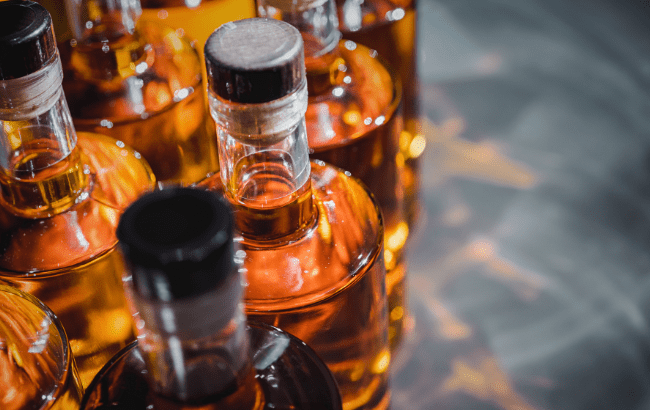
The breakthrough uses a specially designed laser system that can detect toxic methanol hidden inside unopened spirits bottles, even through coloured glass.
Methanol poisoning results in hundreds of deaths every year and can leave people with permanent injuries and blindness.
Adelaide University physicist Dr Ralf Mouthaan, from the Centre of Light for Life, said: “Being able to identify the contents of a sealed bottle without opening it has enormous potential.
“At Adelaide University, we’re now adapting this technology to tackle problems that directly affect Australian industries, including wine authentication, food quality and product safety.”
Adelaide University is already looking at how to expand the technology into different areas to protect consumers and support Australian industries.
The researchers have already shown they can capture a unique optical fingerprint of wine through the bottle, which could be used to combat wine fraud.
Ané Kritzinger, a joint PhD candidate with Adelaide University and the University of St Andrews, led the methanol research, which was recently published in the Journal of Physics: Photonics.
Kritzinger said: “Once you can accurately identify the molecular fingerprint of a liquid through its packaging, there are countless possibilities.
“We’re interested in applying the same principles wherever industries need a rapid, reliable and non-invasive way to verify what’s inside a sealed container.”
Fake wine, beer and spirits are estimated to be worth billions of dollars in lost sales annually. In 2023, a report suggested counterfeit wine, beer and spirits cost the European Union €3bn (US$3.2bn) in lost sales every year.
Related news
How the industry is tackling fake alcohol