


Hard seltzer loses its sparkle as the RTD market evolves
The past decade has seen the rise and fall of hard seltzers as they have morphed into other RTD categories. Can the sector regain the effervescence that initially made it so popular?
*This feature was originally published in the June 2026 issue of The Spirits Business magazine.
It wasn’t that long ago that hard seltzers were being hailed as a sensation. In 2020, headlines like ‘the next big thing’, ‘no ceiling in sight’, and ‘unprecedented growth’ were all used in the drinks press to describe the category’s ascent. We were right to be optimistic. In the US, the hard seltzer category, or alcoholic carbonated water, soared by 130% in volume in 2020, with IWSR analysts predicting then that the category would triple in size by 2023. Big brands bet big on the success of these affordable, low-calorie, low-ABV sparkling water ready-to-drink (RTD) products.
But who could have predicted how much the market would shift in just a few years? Yes, the wider RTD market is thriving, and it was the only major alcoholic category to achieve growth in 2025. Global RTD volumes grew by 2% by volume and by 4% by value in 2025, according to preliminary data released by IWSR in April, but this wasn’t down to hard seltzers. While 2025 data on hard seltzers specifically is yet to be confirmed by the IWSR, volumes have declined every year since 2021, with global volumes falling by 10% between 2021 and 2024, down by 11% in the US, by 4% in Canada, and by 4% in Australia over the same period. These remain the three largest markets for hard seltzer, with the US accounting for 93% of global consumption, Canada 4%, and Australia 1%.
In the US, RTDs saw volumes drop by 1% in 2025, dragged down by a 5% drop in malt-based RTDs. In contrast, spirits-based RTDs saw volume growth of 14%. “Overall, future RTD growth is expected to come from categories outside of hard seltzers, with most significant volume from cocktails and long drinks, and highest growth rates from no-alcohol RTDs (although from a smaller base),” says Susie Goldspink, IWSR’s head of RTDs and no- and low-alcohol. “There are geographies where we expect hard seltzer growth, however, such as the Netherlands and Canada.” Increasingly, hard seltzers are losing share to higher-ABV RTDs and canned cocktails, but also to no-alcohol options.
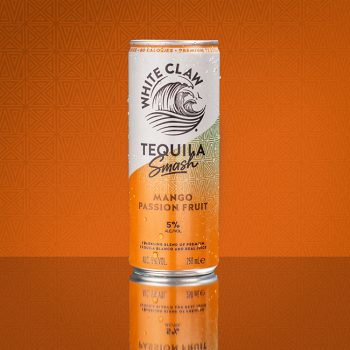
Massachusetts-based Spindrift Spiked wound down in August 2025, with the firm instead focusing on its non-alcoholic sparkling water business. In 2024, White Claw, which commands around 58% of the global hard seltzer market, diversified to launch a 0%-ABV seltzer line. The growing functional drinks space is also gaining ground. In 2025 Trip debuted zero-ABV CBD-laced seltzer, adding to its range of adaptogen-laced drinks made with magnesium and lion’s mane.
It’s a similar story in the UK off-trade, where hard seltzers remain a small player. “Over the last five years, hard seltzer has not been the driver of RTD spirits growth – shares are well down on April 2022,” says Alex Lawrence, senior strategic insight director at Circana. “The growth on last year has been driven by White Claw and -196, which has been very strong. The current growth of RTD spirits is being driven by pre-mixed cocktails and, more specifically, BuzzBallz. It’s hard to know what the future holds. The future of RTD spirits looks strong, but hard seltzer will remain a small player.”
Coming to terms
One difficulty has been the term ‘hard seltzer’ itself, referring to a carbonated RTD made with an alcoholic base of fermented malt, cane sugar or fruit. ‘Spiked seltzer’ has been used to distinguish this from a spirits-based ‘hard seltzer’, typically made with vodka or Tequila and carbonated water. Both are lighter than a typical spirits-based RTD, characterised by their low-ABV (4%-6%), low-calorie content, and pitched as a more affordable alternative to higher strength RTDs.
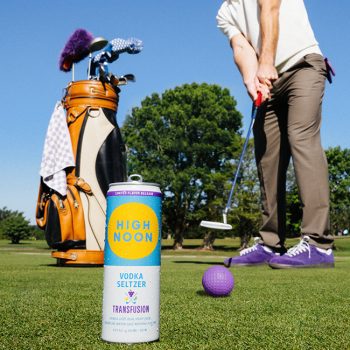
But consumer confusion, particularly outside of the US, has led many brands to disassociate from the ‘hard seltzer’ label entirely. DRTY, a British-based hard seltzer initially made with a fermented fruit base rebranded in 2024 to become a ‘vodka seltzer’. High Noon, owned by Gallo, and made with vodka and fruit juice, has also quietly shifted focus from ‘hard seltzer’ to ‘vodka seltzer’, which is how its core range is now labelled (‘vodka soda’ in the UK). This year it launched a limited edition flavour fusing the seltzer and cocktail categories. Transfusion Vodka Seltzer is a 4.5% ABV RTD made with grape, lime, and ginger, inspired by the classic Transfusion cocktail, commonly served on golf courses. As such, it will have a strong presence at PGA Tour events this year as part of Gallo’s ‘It’s Fusion Time’ campaign. “The RTD category is maturing, but growth is increasingly being driven by spirits-based offerings as consumers trade up from beer and malt-based seltzers,” explains Britt West, chief commercial officer at Gallo. “Brands built on authenticity, liquid quality and cultural relevance are best set up for long-term success.”
Whatever the terminology, hard seltzers are no longer on an upward trajectory. What can brands do to stay the course? Is innovation key, or are consumers simply less interested? The Boston Beer Co has put faith in Truly Unruly, its line of 8% ABV fruit-flavoured hard seltzers. In its 2025 annual results, it reported that performance of its Truly hard seltzer had lagged in 2025, during which the company quietly discontinued its Truly Vodka Soda and Truly Tequila Soda.
In its latest April earnings report, Boston Beer Co CEO Jim Koch said the overall hard seltzer category had improved, and “grew slightly in dollars in measured off-premise channels for the first quarter”, but that “share trends remain challenged”.
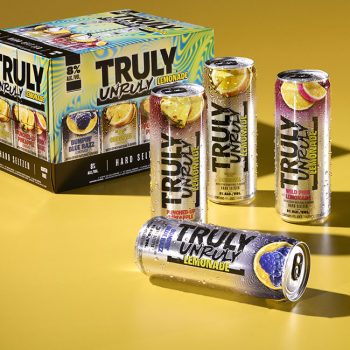
Koch said vodka-based teas (Boston Beer Co launched its own Truly Iced Tea Hard Seltzer in 2021) had eaten into Truly volumes, and that higher-ABV seltzers, like its 8% ABV Truly Unruly, were most promising in driving volumes. Smaller brands have picked up on a preference towards higher ABVs too.
Australia’s Fellr makes a range of ‘alcoholic sodas’, sidestepping the hard seltzer label, including a ‘double alcohol’ watermelon soda with an ABV of 6%. “These products, which are spirit-based or higher-ABV, are competing with cocktails and long drinks but offering a slightly more affordable option,” says Goldspink, with premium and super-premium spirits-based options generally outperforming the wider RTD category.
Innovation in hard seltzers has slowed since 2021, but flavours are still evolving, with increasingly offbeat combinations emerging, particularly among smaller brands. Chicago’s Half Past makes a ginger and turmeric hard seltzer, while the UK’s Gullies Drinks, founded in 2021, has taken a “British, flavour-first approach” with its Peach & Lychee, Raspberry & Mint, Pear & Elderflower, and Ginger & Citrus hard seltzers.
Untapped potential
The UK is a small slice of the global hard seltzer market (less than 1%), and Gullies co-founder Ned Jacobs believes there is untapped potential. “Hard seltzers are ultimately an extension of the wider RTD category, and we think there is still significant room for the category to grow alongside the broader market,” he says. “Some brands have moved away from the ‘hard seltzer’ label and positioned themselves more around vodka soda or vodka mixer language, but we continue to believe there is a strong future for hard seltzers as a recognised category in their own right.”
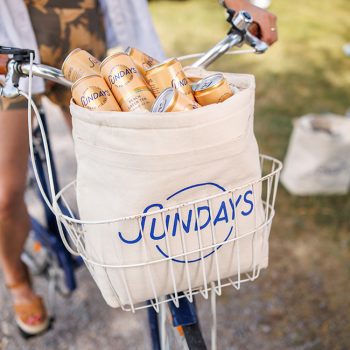
Iced tea hard seltzer is promising hybridisation. In 2021, Truly and White Claw both launched an Iced Tea Hard Seltzer – featuring flavours of lemon, raspberry, and peach, and retaining the ‘hard seltzer’ label. In 2020, Swiss hard seltzer brand Sundays launched, and has taken the hard tea seltzer trend further with the release of Mate and Matcha variants. “Switzerland is still in the early stages of adoption, whereas the US market has reached maturity, and is on the decline, or rather has shifted into more spirit-based RTDs,” says Sundays’ American-born co-founder and CEO, Katy Lee. “This is most visible in the off-trade. In the US there are still dozens of hard seltzer and RTD products on every retail shelf, whereas in Switzerland you may see one of two flavours from one of two brands. This is a challenge for us, to build awareness from scratch but also an opportunity, to avoid making the same mistakes, and getting ahead of the curve of premiumisation and portfolio extension.”
Lee recognises the appeal of a spirits-based hard seltzer, but cost is a factor. Tax regulations in Switzerland mean making a hard seltzer with a neutral spirit base like vodka instead of a fermented sugar base would “add 0.40 CHF (US¢50) in pure taxes to the cost of a product”, affecting the end cost. “In our market, the key to longevity is continuing to innovate in the RTD space – new seasonal flavours, premium spirit options,” she says. “Hard seltzers will be more or less absorbed into the broader RTD category, and so it’s figuring out how to frame that in the local marketplace.”
For all the fanfare of the early 2020s, hard seltzers are no longer the ‘next big thing’. The RTD market is famously fickle, and brands will need to become savvy to stay relevant.
Fortunately, it’s a category that lends itself to adaptation. Many brands are already hedging their bets with multiple styles, ABVs, flavours, and terminology. In theory, it’s a strategy that can’t fail – where one trend falls, another rises. Holding onto the ‘hard seltzer’ label doesn’t seem to be a priority for most low-calorie, low-ABV carbonated water brands. For now, higher ABVs and spirits-based seltzers are playing into RTD trends well, like those with a vodka or Tequila base. More hybridisation into hard tea seltzers also seems likely. Regardless, hard seltzer remains a multi-billion-dollar market (still dominated by White Claw), which isn’t bad after little more than a decade in business.
Related news
Sláinte whiskey eyes Ireland launch and RTDs