


How Grassroots is driving a new wave of cocktail innovation
As cocktail culture evolves, a new generation of small, independent producers is reshaping the back bar from the ground up. In Amsterdam, Grassroots Bootleg Ginger is part of that movement, blending botanical spirits, ginger and cultural collaboration to create a new kind of cocktail ingredient.

Bar culture has largely been shaped from the top down. Large spirits houses built categories, marketing budgets drove awareness, and bartenders adapted those products into their drinks programmes. Post-Covid, this is a structure that was sorely needed, with the blows that were served to hospitality. But in recent years smaller, unique brands have more frequently found their way behind the bar.
Across cities like Amsterdam, London, Copenhagen and New York, some of the most interesting developments in flavour are now coming from small independent producers creating liquids that feel almost bootleg in spirit (pun intended). They are experimental, rooted in culture and built around the needs of local bartenders rather than global trend departments.
It is within this emerging movement that Grassroots Bootleg Ginger, created by Amsterdam-based founder Paul De Kuyper (you would be correct in thinking the name seemed familiar to the world of drinks; he is an 11th-generation namesake), is beginning to carve out its place.
Blurring the lines between botanical spirit, bitter and cocktail modifier, the unfiltered drink combines a malt wine base with distillates of 28 herbs and spices, before being finished with a ginger infusion.
“The spirits market is quite full,” De Kuyper explains. “There are so many drinks already, so I wanted to create something distinctive, something natural and sustainable as well.” Launched in its first commercial batch in September 2025, Grassroots Bootleg Ginger is targeting growth through bars, music venues and creative communities over more traditional marketing channels.
Drinks with authenticity, complexity and a story
Bartenders have always experimented with ingredients, but the scale and visibility of that experimentation has grown dramatically over the past decade. From house-made vermouths to fermentation-led cocktail programmes, the modern bar scene increasingly values liquids that bring authenticity, complexity and story to a drink.
For years ginger beer and ginger syrup have been staples of the bar trade, forming the backbone of drinks such as the Moscow Mule and Dark ‘n’ Stormy. But many bartenders now want greater control over flavour balance, alcohol structure and sweetness.
This demand has opened space for a new generation of ginger-led spirits and modifiers. Grassroots Bootleg Ginger is a great example of this. At 18% ABV, the drink sits comfortably between apéritif and spirit, something strong enough to stand up in cocktails while remaining approachable enough to drink on its own. “I didn’t want to make just ginger with alcohol,” De Kuyper says. “I wanted to give it a broader base.”
Grassroots Bootleg Ginger was designed to balance spice, botanicals and body. At its core sits maltwine, the grain spirit base traditionally associated with Dutch genever production. “Maltwine gives it a cultural anchor to the Netherlands,” De Kuyper says. “But it also creates a base for the taste.”

From there, the liquid is built up through a series of distillates containing 28 herbs and spices, which provide complexity beneath the ginger character. “These botanicals are balanced,” De Kuyper explains. “You don’t need to be a connoisseur to taste some of them, but the majority is subtle and gives the drink additional depth.” The final stage is a ginger infusion, which provides the drink’s signature spice and slightly opaque appearance.
As the liquid is deliberately left unfiltered, the ginger particles remain suspended in the bottle. A quick shake before pouring redistributes the infusion, helping maintain flavour consistency. The result is a spirit that clearly smells and tastes of ginger but retains a broader botanical structure. “Even people who don’t normally like ginger often like the drink because it’s balanced,” De Kuyper smiles.
Despite being a relatively young product, Grassroots Bootleg Ginger has already drawn attention within the international spirits competition circuit. At The Global Spirits Masters Competitions, the drink secured two Gold medals in The Speciality Spirits Masters blind tasting in both the Bitters/Amaro and Botanical Spirit classifications.
Judges praised the spirit’s aromatic complexity, noting “delightful ginger beer aromatics with some lemon” alongside its versatility as both a cocktail ingredient and a lower-ABV serve. Other tasting notes described citrus and floral characteristics on the palate, calling the liquid light, crisp and vibrant. A further comment highlighted green herbal notes with lemon and lime cordial character, reinforcing the botanical depth created by the spice blend.
For a debut batch, the awards offer a strong validation of the drink’s quality and its potential role within the speciality spirits category.
Building a network
While competition success can accelerate recognition, Grassroots Bootleg Ginger’s real testing ground has been the Amsterdam bar scene. Instead of pursuing immediate international distribution or high footfall groups, De Kuyper has focused on building a network of venues that reflect the cultural values behind the brand. “We like to work with places that showcase art, host live music and have cultural value,” De Kuyper explains, “places that are progressive, creative and a little rebellious.”
Among these partners are Bourbon Street Amsterdam, a long-running blues and rock venue near Leidseplein known for its nightly live performances, De Buurvrouw, a popular gathering place for actors and artists where graffiti artwork constantly evolves across the walls and even Café de Sluyswacht which sits at the more traditional end of the spectrum: a 17th-century building once used by the city’s lock keeper and located opposite the former home of Rembrandt.
The connection between Grassroots and the arts extends beyond venue partnerships. Through the Grassroots Art Initiative, the company collaborates with independent musicians and creative platforms designed to support emerging talent. Part of the brand’s revenue is reinvested into cultural initiatives, including partnerships with music platforms that help artists organise gigs and build audiences.
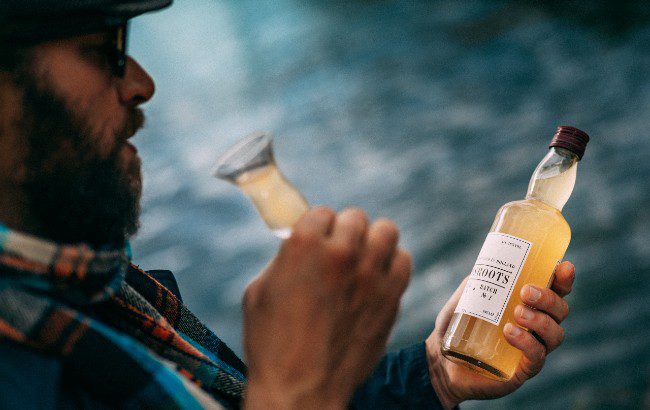
For De Kuyper, the relationship between spirits and culture feels natural. “Grassroots refers to both the ingredients (herbs and literal roots) but also to the vibe we’re aiming for,” he says.
“Grassroots movements are often connected to culture and art.”
One of the reasons bartenders have responded positively to Grassroots Bootleg Ginger is its versatility. Thanks to its balance of sweetness, bitterness and spice, the liquid can function as a direct alternative to ginger beer when lengthened with sparkling water. This approach forms the basis of the Mokum Mule, a twist on the Moscow Mule that replaces ginger beer with Grassroots and soda – the name references Mokum, Amsterdam’s nickname derived from the city’s historical Jewish community.
Another element that distinguishes Grassroots from many spirits brands is its fluid production philosophy, which means the brand continues refining the spirit with each new batch. “We don’t want to make huge batches,” De Kuyper says. “With every batch we can develop the product further.” The aim is not to change the character of the drink dramatically, but to improve sustainability and ingredient sourcing over time.
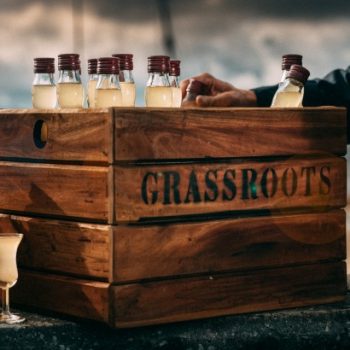
For now, the focus remains firmly on Amsterdam. The first phase of growth is about understanding how consumers and bartenders interact with the product. “We want to learn how people drink it, what the best mixes are,” De Kuyper states. Once that knowledge base is established, the brand plans to explore export opportunities. Potential future markets include the UK, Germany and Spain – countries where cocktail culture is strong and the appetite for independent spirits continues to grow.
While projects like Grassroots Bootleg Ginger may begin small – a collaboration with a distillery, a few supportive bars, a limited first batch – they often carry a level of authenticity that resonates strongly with bars and drinkers, especially if they know that it is created a few miles from where they are using it.
As the global cocktail scene continues to expand, these grassroots projects are likely to play an increasingly important role in ensuring the bar scene stays experimental and innovative.
Related news
Craft Gin Club revamp shifts focus to spirits
Barrell Craft Spirits sells Jeffersontown site
Irish Bottling Company: creating solutions for craft spirits brands