


Vermouth finally gets its starring role
No longer a mere addition to cocktails, vermouth’s time has come, with bars and brands putting it firmly on the menu.
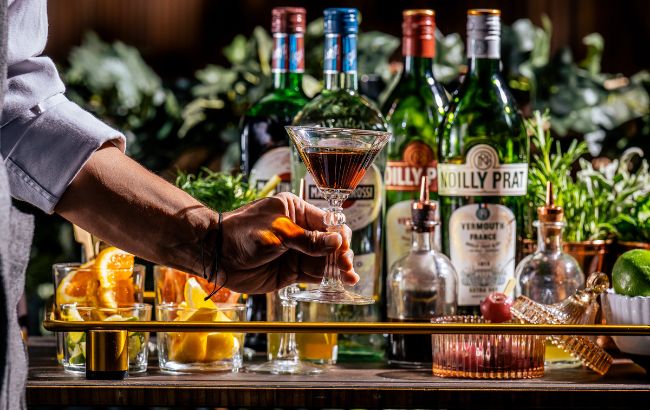
*This feature was first published in the April issue of The Spirits Business magazine.
According to American Vogue, ‘everyone’ is drinking vermouth at the moment. It’s a bold claim from a fashion magazine, but one that might have some merit, as according to HTF Market Intelligence, the category is on track to exceed a value of US$19.7 billion by 2033 – up from US$11.1bn in 2024. You don’t get to values of that scale without high levels of consumption, and you don’t reach those without consumers changing their behaviour.
It would seem growing consumer attention to the sector can be credited, in part, to bartenders, who are starting to cast vermouth in lead roles in their cocktail programmes rather than leaving it to fade into the background like an extra in a film.
“Bartenders truly are some of the category’s most influential ambassadors,” declares Giorgio Bava, export area manager at Guilio Cocchi. “By championing vermouth behind the bar, bartenders are educating consumers, and sharing their passion for the category. Their advocacy helps demystify a product that has long been misunderstood, showing vermouth is not just a supporting ingredient but a complex, versatile product worthy of appreciation on its own.”
Presentation is everything
Leonardo Todisco, brand ambassador for Italian vermouth Strucchi, adds that presentation of the drink has also been key to rewiring consumers’ perceptions of the category: “Bartenders are changing everything through how they present it. When vermouth is served with care, and explained in a simple way, people start to see it as a drink, not just an ingredient. It’s more about context than complexity.”
One measure allowing bartenders to give vermouth its time in the spotlight is the rise in popularity of the apéritif moment, which is growing in tandem with the moderation movement. “Cocktails are now the most popular way to experience vermouth. I think this trend will continue as people drink more mindfully and often look for lower‐ABV options rather than high‐proof spirits,” says Aurélie Panhelleux, operations manager at CopperBay Lancaster in Paris, who confirms ‘apéritif time’ is when they see vermouth most requested.
While the aperitivo moment, which is typically anchored to drinks before meals, is most commonly enjoyed in European countries, many other markets are using apéritifs as opportunities for flexible, early‐ evening imbibing. This is allowing the category – and vermouth in particular – to travel globally. According to IndexBox’s vermouth market analysis report for Latin America and the Caribbean, the drink is projected to reach a value of US$1 billion in the region by 2035. Meanwhile, a report by IndustryARC noted that North America boasts 22% market share of the category, and Asia Pacific is the fastest‐growing region.
But vermouth also plays an integral part in many classic cocktails served outside of these occasions. Classic cocktails with vermouth in their DNA have, until recently, rarely had specific vermouth brands name‐checked in the same way a lead spirit might have.
Crediting cities such as London, New York, and Toronto for their continued revival of classic cocktails, Bava says vermouth has been brought back into focus thanks to serves such as the Negroni and Martini, which highlight its importance as a key ingredient. “This renewed interest in the classics has encouraged bartenders to explore the category more deeply, leading to greater experimentation behind the bar. As a result, vermouth is not only being celebrated in traditional serves but also reimagined in modern interpretations, with bartenders showcasing vermouth as a more prominent component of their cocktail offerings.”
He adds that he has witnessed a growing appetite for experimentation among bartenders and venues, which in turn has driven demand for a wider range of vermouth styles on a back bar. “Professionals now understand that the choice of vermouth can dramatically influence the flavour and balance of a drink,” he explains. This curiosity, he says, is allowing bartenders to add diversity and nuance to their cocktails without adding extra ingredients, also offering guests new tasting experiences while staying true to the integrity of each serve.
At Bar Montez at Rosewood Munich in Germany, bar manager Mario Sel and his team treat vermouth as more than just a cocktail modifier. “It’s an equal partner in a drink, bringing structure, aroma, and balance. It adds depth, herbal notes, and complexity without increasing the amount of alcohol used. This elegance and complexity make vermouth central to everything we do.”
Bar Montez features a curated range of vermouths, including the likes of Noilly Prat, Belsazar, and Mancino, each of which brings “a unique aromatic profile, allowing us to balance classics or create new twists”, Sel says. This year, Rosewood Munich will open the Secret Martini Bar, hidden inside Bar Montez, which will be “a stage for vermouth to shine”. There they will offer custom blends as well as Bianco‐style vermouths for lighter, more elegant Martini variations.
Interactive element
But some bars are taking their vermouth offerings one step further, removing the ensemble and giving the liquid a starring role. Italian‐American restaurant Park Rose in New York City has curated its Vermouth Service – a tableside cart that allows guests to explore its four house‐made styles: Park Rose Rosato, Rosso, Bianco, and Dry. “The interactive element has been a standout,” says Gary Wallach, managing partner at Renwick Hospitality Group. “People enjoy asking about the seasonal ingredients, learning about our process, and engaging with the story behind the programme.”
Wallach explains that while vermouth used to feel like “something forgotten in a grandparent’s cabinet”, the category has begun to broaden, thanks to “new producers emerging in unexpected regions,” and, as such, “now appeals to a much younger and more diverse demographic. We’re seeing interest across the board,” he reveals.
However, he is keen to highlight that the programme wasn’t created to chase a trend, but rather came from a genuine passion for a category they felt was underutilised. “If anything is driving the momentum, it’s people like us: guests and bartenders who love wine, appreciate lower‐ABV options, and want to showcase local identity and craftsmanship. That curiosity and creativity are what push the category forward.”
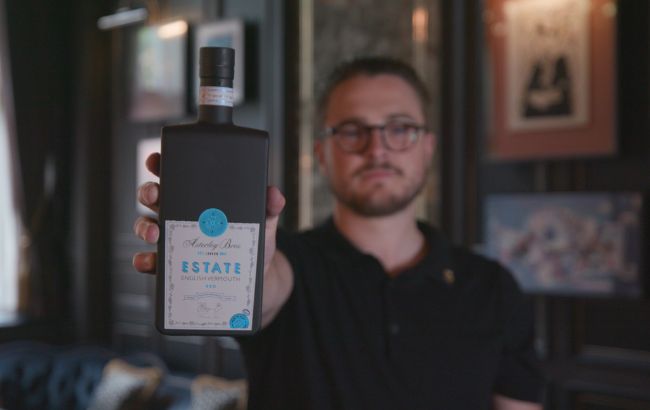
Meanwhile in the UK, Rob Asterley, co‐founder of British vermouth brand Asterley Bros, says he’s been seeing more wine bars and restaurants offering vermouth by the glass on their menus, “which is exactly where it belongs,” he asserts. “Five years ago, we’d walk into a venue and genuinely have to explain what vermouth was. Now buyers are asking us how to build an aperitivo moment around it. A £4 (US$5.30) or £5 pour of quality vermouth is a brilliant margin opportunity, and it gives guests something genuinely delicious.”
But for this attitude to roll out further across the on‐trade, he explains that ongoing education about the category is key. “We run aperitivo masterclasses at our production space in south London, where bartenders and buyers taste the range, see the production process, and leave understanding why vermouth deserves top‐of‐the‐menu status.”
The brand also works closely with award‐winning bartenders the Schofield brothers; Joe Schofield is the brand’s creative director. Together they develop serve strategies that venues “can actually execute at pace”, Asterley says.
“We’re not asking anyone to rip up their bar programme overnight. We’re saying: put [our English sweet vermouth] Estate on ice with a citrus tonic as a simple Highball. List Schofield’s Dry as a Martini upgrade. Build a vermouth moment into your aperitivo hour. Give guests one great experience, and they come back for more.”
Related news
M&S pens exclusive vermouth deal with Strucchi