


Quimbaya is shaping the future of Colombian rum
As the rum category matures, a fundamental question is beginning to surface: where, exactly, is value being created and who benefits from it?

For much of the past decade, rum’s premiumisation story has focused on age statements rise, cask finishes multiply, and packaging steadily move upmarket.
Increasingly, the most compelling answers are coming from brands rethinking rum at its source. Provenance, once shorthand for production location or distillery heritage, now encompasses broader supply chains, raw materials, and the local ecosystems that underpin production.
Quimbaya Rum was built around Colombia’s vast network of artisanal sugarcane producers. The brand positions rum not just as a finished spirit, but as a path for rural regeneration and one that connects liquid quality with economic transformation.
Rum today sits in an unusual position within the global spirits landscape. It is both one of the most historically rich categories and one of the least clearly defined. Unlike whisky or Cognac, where both national and category regulations tightly govern production and labelling, rum operates across a spectrum of styles, practices, and levels of transparency.
This flexibility, while enabling creativity, has also created ambiguity. As consumers become more educated and bartenders seek greater clarity, the category is facing increasing scrutiny over additives, sugar levels and production methods.
At the same time, there is a growing appetite for spirits that can demonstrate not just authenticity, but accountability. In this context, provenance is no longer just about where a rum is aged, but how it is made, by whom, and how fairness and responsibility flow through the entire system. This is where Quimbaya Rum begins to stand out.
Colombia’s sugarcane industry is both vast and deeply decentralised. At its heart sits the trapiche system – a network of small, artisanal mills producing panela, an unrefined whole cane sugar made by boiling and concentrating fresh sugarcane juice. Today, it supports more than 25,000 trapiches and approximately 250,000 families, many of whom live and work in rural areas under challenging economic conditions.
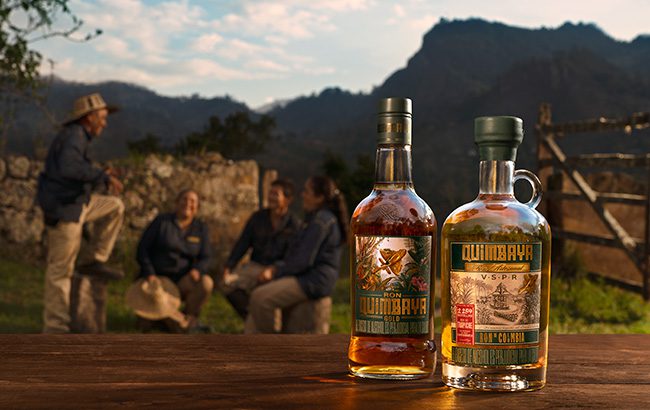
For the Picciotto Distilling Company (PDC), the founders of Quimbaya Rum, this information has influenced everything. The brand’s origins trace back to a meeting with Fedepanela, Colombia’s National Federation of Panela Producers, which highlighted its potential. The question that followed was straightforward but ambitious: what if these producers could move beyond sugar and into spirits?
The answer began as an experiment. By sourcing sugarcane honey (a liquid form of panela) and fermenting and distilling it, the team discovered a distinctive distillate.
What started as a technical exploration quickly evolved into a broader vision: one where rum production could unlock significantly greater value for rural producers and pave the way for a future that could triple income even at modest production scales.
That early experiment took more than a decade to fully materialise. Regulatory constraints initially limited distillation to other categories, but the passing of Colombia’s Ley de la Panela in 2019 provided a legal framework for artisanal sugarcane distillation.
Local and global player
Quimbaya Rum emerged directly at that moment. At its core is a simple proposition: that Colombian rum can be both authentically local and globally competitive, and that its production model can create value for the agricultural communities that supply the distillates or sugarcane honey, not just for distillers.
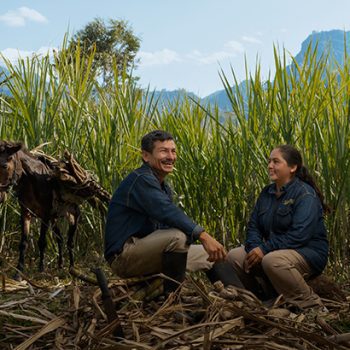
For Quimbaya, this isn’t a niche or ethical sideline. The brand sees this as a scalable model for the category’s future, one that aligns quality, provenance and economic impact. PCD and Quimbaya Rum aim to elevate the quality of life of local farmers, paying 2.6 times the market rate and guaranteeing the purchase of their raw materials.
For any brand attempting to shift category narratives, credibility in the glass remains essential. Here, Quimbaya Rum has moved quickly to establish itself as an authentic rum with a real story. At The Rum & Cachaça Masters 2026 blind tasting, part of The Global Spirits Masters Competitions, the brand’s range delivered a strong performance across multiple artisanal rum categories, a notable achievement for a relatively young entrant.
Quimbaya Silver (which is a pot and column still blend) secured Gold in the artisanal white rum category, with judges highlighting its “cleanly distilled” character, fresh and bright aromatics, and balanced sugarcane sweetness. Described as “an indulgent white rum” offering strong value, it positions itself as both a cocktail workhorse and a credible sipping option.
The Quimbaya Gold expression followed with a Silver medal, recognised for its bright aromatic profile and layered palate. Judges commented on the notes of dates, raisins and tea on the nose, with a textured palate showing stone fruits, green banana and a gentle spice, finishing with balance and restraint.
At the top end, the Artisanal range demonstrates the brand’s ambition to push further into premium territory. The Quilichao terroir edition, aged in Colombian casks and finished in sweet wine barrels, secured Gold, praised for its “luxurious texture” and evolving profile of overripe tropical fruit, banana, mango, and spice, with a complexity that develops over time in the glass. The San Francisco de Sales edition took Silver, with judges noting its bright fruit character – peach, pear and green apple – alongside a natural sweetness and clean, balanced finish.
Rums with clear identities and purpose
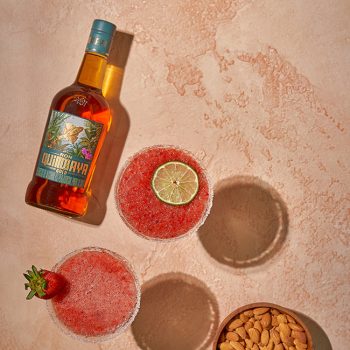
Quimbaya’s portfolio is deliberately curated to address different market segments while maintaining a consistent identity. The Silver expression is positioned squarely within cocktail culture – bright, crisp, and designed for high-energy serves such as Daiquiris and Mojitos. It provides accessibility and character, making it well-suited to on-trade environments where versatility is key.
The Gold expression moves into more traditional territory, offering a rounded, approachable profile with notes of caramel, vanilla and light citrus. It is designed as a lifestyle rum, one equally at home in mixed drinks or served over ice, appealing to a broad spectrum of consumers.
At the top sits Quimbaya Artisanal Rum, a single-origin, super-premium expression crafted from sugarcane honey sourced from specific Colombian terroirs and then distilled entirely in a pot still. Released in limited editions, it speaks to a more exploratory consumer who might be looking for more than what’s in the glass.
Quimbaya’s visual identity draws heavily on pre-Columbian heritage, specifically the Quimbaya civilisation, renowned for its intricate gold work. The central motif is a gold artefact shaped like a modern aircraft to reflect craftsmanship and mystery. This is partnered by tropical design elements that reference Colombia’s biodiversity and natural landscapes.
France has emerged as a particularly significant market for the brand. A recent debut at UNESCO in Paris, held during Colombia’s Independence Day celebrations and supported by diplomatic and trade partners, saw the brand reach a new audience.
Quimbaya aims to build its reach further, and has its sights set on influential bars and venues, including those recognised in the World’s 50 Best Bars list.
Quimbaya’s ambition is clear. It does not aim to be seen simply as a ‘Colombian rum’, but as a brand that can stand alongside established global players while offering a distinct perspective on what the category can be.
Achieving that will depend not only on continued liquid quality and market execution, but on maintaining the integrity of its founding idea: that rum can create value beyond the glass.
Related news
Mount Gay reveals first age-statement rums