

Ontario and Nova Scotia agree DTC alcohol sales deal
Nova Scotia and Ontario have signed a deal to allow direct-to-consumer (DTC) alcohol sales between the two Canadian provinces.
Ontario premier Doug Ford and his Nova Scotia counterpart Tim Houston signed the agreement this week, described as the first of its kind.
The move will enable consumers in Ontario and Nova Scotia to purchase products directly from distilleries, breweries and wineries in both provinces.
The deal is said to be part of Ontario’s plan to “tear down barriers to interprovincial trade”, providing consumers with more choice and convenience, while “creating more opportunities for producers”.
The agreement comes a year after American products were removed from retail shelves in most Canadian provinces in March 2025. The boycott was made in response to US president Donald Trump’s tariffs on Canadian products.
Ford said: “With president Trump taking direct aim at Ontario companies and workers, it has never been more important to boost interprovincial trade and support local businesses.
“Ontario is leading the way to unlock free trade within Canada. Our agreement means Nova Scotia residents can conveniently purchase any of their favourite Ontario craft beers, wines and more, while Ontario residents will be able to buy the very best Nova Scotia has to offer.”
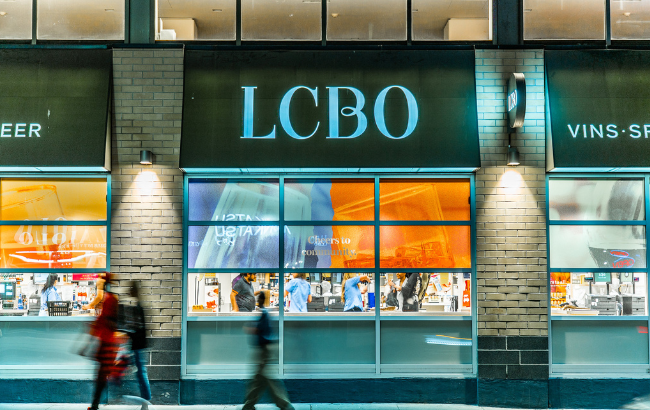
Before this deal, Ontarians could only buy alcohol from another province if the product was listed in the government-run Liquor Control Board of Ontario (LCBO), ordered via the LCBO or purchased in another province and transported by the buyer to Ontario.
“Nova Scotia is committed to dismantling internal trade barriers, piece by piece, but my goal is to have free trade, nationwide,” Houston noted.
“This agreement is a stepping stone that will give our local producers more access to Ontario markets and open a broader customer base. We will continue to work with other provinces and territories to reach agreements so that our companies have more opportunities and customers have more choice.”
Ontario and Nova Scotia will both implement a mark-up pricing structure to “ensure fairness and competitiveness for domestic producers” while aligning with existing local tax rates.
Producers in Nova Scotia and Ontario can now begin to apply for authorisation to sell their products in each province.
Peter Bethlenfalvy, Ontario’s minister of finance, added: “I am pleased that Ontario and Nova Scotia are partnering to set a precedent for other provinces to follow by enhancing interprovincial trade of alcoholic beverages in a way that works for consumers and businesses, and is consistent and fair to Ontario producers.”
Since July 2025, Ontario and 10 other jurisdictions have signed a memorandum of understanding (MOU) committing them to advance nationwide DTC alcohol sales by May 2026.
Last month, Diageo agreed to pay nearly CA$23 million (US$16.8m) to keep its Canadian whisky Crown Royal in LCBO stores.
The payment was made in response to Ford’s threat to ban Crown Royal after Diageo moved forward with plans to close a bottling plant in a local town in February.
Nova Scotia sold the last of its US$14 million American alcohol inventory in November, with proceeds donated to charity.
Related news
Brown-Forman YTD sales plunge 59% in Canada