

Spirits giants face CA$36m fee after court backs LCBO
A collective of Canada’s spirits suppliers have lost a legal challenge against the Liquor Control Board of Ontario (LCBO) over its multi-million-dollar chargeback fees.
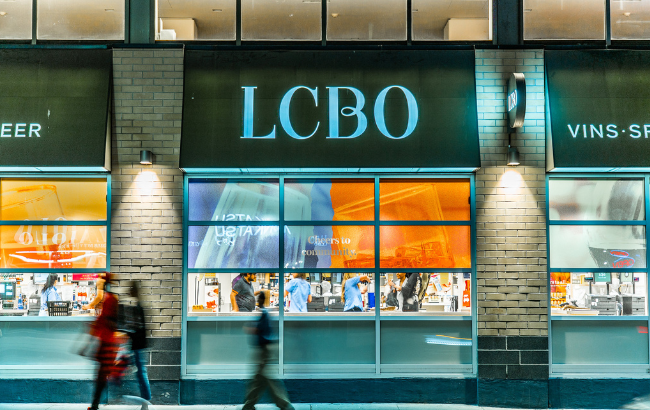
In May 2024, trade body Spirits Canada claimed the government-controlled LCBO was ‘clawing back payments’ on products that were sold in 2023, based on claims that Quebec’s liquor board, Société des Alcools du Québec (SAQ), received similar products for a lower price.
The LCBO had retroactively applied Section 14 of its Purchase Order terms and conditions, which demands the lowest price in the country from suppliers, when its own legislation invokes price increases every year, Spirits Canada said at the time.
LCBO claimed that Ontarians were being ‘overcharged by some suppliers’, leading the liquor board to place ‘retroactive penalties’ against Bacardi, Suntory Global Spirits, Diageo, Brown-Forman, Campari Group, Corby Spirit & Wine and Rémy Cointreau USA.
In response to the multi-million-dollar tax fines from the LCBO, the spirits companies filed a legal challenge with the Ontario Superior Court of Justice to declare the LCBO’s action as ‘invalid and unenforceable’ in July 2024.
The LCBO’s terms and conditions state that if a supplier breached its ‘price discrimination’ clause then it would have to pay the liquor board an amount equal to the difference between what Ontario paid and what another province paid.
In the lawsuit, the suppliers claim that they hadn’t even heard of the clause and that it had never been enforced, but the LCBO alleges it had made a deliberate decision to not apply it for years.
However, in 2023, the LCBO started to enact penalties against the companies with the total amounting to nearly CA$36 million (US$26.4m) as of 23 April 2025. Diageo owes the largest amount at CA$12.8m (US$9.4m), while Corby faces an CA$8.1m (US$5.9m) charge.
The applicants called the enforcement “fundamentally unfair” and emphasised that there’s no alternative to selling spirits in Ontario unless it’s through the LCBO.
The suppliers also argued that the Section 14 clause forces companies to provide LCBO with the “lowest price of any provincial liquor board in Canada, even if the price is illegally low”.
Court sides with the LCBO
However in a court ruling last week (13 February), the judge ruled in favour of the LCBO and dismissed the legal challenge.
“Suppliers are able to set prices for the sale of products to LCBO which comply with Section 14 and are not illegal,” the judge wrote.
If a supplier could not align prices, “it can comply with Section 14 by choosing not to sell the product to another liquor board or by not selling the product to the LCBO,” the judge added.
The court also said the fines imposed by the LCBO were not a punishment and were instead a repayment of the ‘overcharge’ connected with the breach.
The court also pointed to the LCBO’s ‘letter to the trade’ in November 2019, which reminded suppliers of the warranty pricing obligation and the liquor board’s enforcement rights.
Even if there has been a lack of enforcement in the past, the court found no “unequivocal and conscious intention” by the LCBO to abandon its rights.
Spirits Canada, which represents major spirits producers across the country, said in a statement: “We are disappointed by the outcome but our long-term focus is on moving forward and continuing to engage in a productive and collaborative manner with all stakeholders in Ontario.”
The Spirits Business has contacted the suppliers for a comment. Diageo, Brown-Forman and Corby Spirit & Wine, the Canadian subsidiary of Pernod Ricard, directed the request to Spirits Canada.
Following the decision, the LCBO said: “We value the strong partnerships we have built with our suppliers, which are essential to our success and to delivering the best possible customer experience for Ontarians. We look forward to continuing this work together.”
Diageo recently agreed to pay nearly CA$23m (US$16.8m) to keep its Canadian whisky Crown Royal in LCBO stores.
The payment was made in response to Ontario premier Doug Ford’s threat to ban Crown Royal after Diageo moved forward with plans to close a bottling plant in a local town this month.
Related news
Tequila Partida launches in Canada