


Gen Z: anti-alcohol or anti-boring brands?
Are younger consumers really swerving the booze or are they simply avoiding boring brands?
*This feature was originally published in the February 2026 issue of The Spirits Business magazine.
In the year ending 14 June 2025, Au Vodka posted UK off-trade sales of £61 million (US$81.6m), with 36.9% year-on-year growth (YOY), making it the nation’s number one ready-to-drink (RTD) brand.
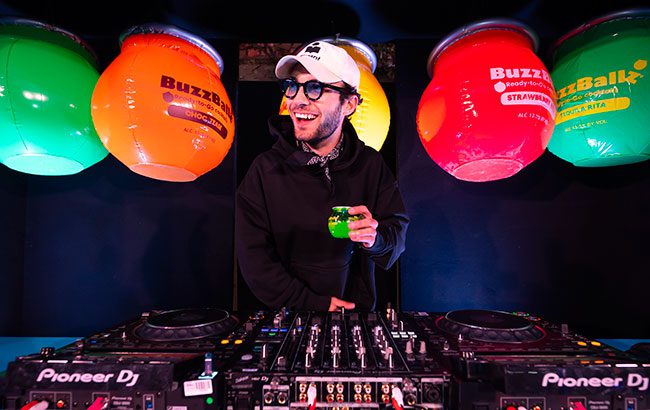
Meanwhile, Sazerac-owned BuzzBallz, the colourful and spherically packaged US brand – and the fastest-growing RTD in the UK – saw 800% YOY growth for the year ending 6 September 2025, with UK off-trade sales of £24.6m (US$33.9m). The key demographic driving these brands’ growth is Gen Z – the so-called ‘non-drinking’ generation. Is it me, or is something not quite adding up here?
The truth is that we’ve been getting it wrong. June 2025 data from IWSR shows that the proportion of legal-drinking-age Gen Z adults who had consumed alcohol in the previous six months rose from 66% in March 2023 to 73% in March 2025. In the US, that figure jumped from 46% to 70%; in the UK, from 66% to 76%; and in Australia, from 61% to 83%.
So why does this flawed assumption that Gen Z doesn’t drink continue to be peddled? The answer, according to many I asked, is simple: Gen Z doesn’t drink like older generations, and many older consumers can’t or won’t accept that reality. The generational gap is so cavernous it obscures what truly resonates with Gen Z, leaving Millennials, Gen Xers, and Baby Boomers blind to the cultural shifts shaping how younger people engage with alcohol. The result? Certain products gather dust on shelves while others become Gen Z staples, and producers are left scratching their heads as to why.
“Gen Z aren’t anti-alcohol,” says Ella Palmer, culture and strategy manager at creative agency Love. “They’re anti-brands that feel generic, ‘grown-up’, intimidating or culturally disconnected. What resonates instead are spirits brands that actively participate in culture.”
Brands like Au Vodka and BuzzBallz do that. Jess Scheerhorn, vice-president of BuzzBallz and Sazerac’s emerging portfolio, explains: “Gen Z doesn’t engage with anything that feels forced. They connect with brands that are intentional, playful and actually worth their time. That’s where BuzzBallz thrives – we’re bold, social and fun by design.”
For 24-year-old Lucy Halls, a contributor to Gen Z panel The Robins, led by creative agency SuperHeroes, drink choice is often dictated by what it communicates socially. “It’s a lot about the brand and the vibe,” she says. “I want something that feels special, not just cheap and forgettable.”

For 20-year-old panellist Stefania Zajdel, price is usually the main factor, but image still matters. “I also try to think about the social image the drink puts forward,” she says.
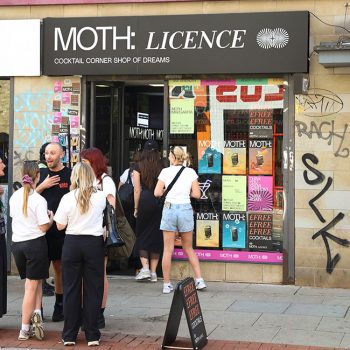
Palmer notes brands that take a design-led approach or show up in places Gen Z hang out are also seeing success with the age group. Engine Gin (housed in what looks like a can of motor oil) and the canned RTD Badwater Tequila use distinctive packaging to appeal to contemporary Gen Z audiences, while RTD brand Moth engages Gen Z through pop-ups like its reimagined off-licence in Manchester, complete with a DJ and youth culture-led merch.
For Jamie Mancini, co-founder and creative director of Allora Aperitivo al Limone, the brands that connect with Gen Z are the ones that don’t try and appeal to them but instead meet them in their spaces. “They don’t just sponsor events when they’ve hit a crescendo but look at bubbling social communities and get in on the ground-level, to show up authentically and be a part of its growth.”
Organic engagement
Social media also plays a role and the key, Mancini says, is to be smart and fast without overthinking, over-polishing, or over-relying on traditional influencers. Tequila-based cream liqueur brand Cream Heroes leans on buzz marketing and organic social engagement, particularly on TikTok. This is where the brand speaks with its consumers, not at them, co-founder Jordi Olivé explains. “We were among the first spirits brands in Spain to invest seriously in TikTok and Amazon as core growth channels, and that decision has paid off.”
The brand has amassed 1.8m likes and 11,000 followers on the video-sharing platform, with one video hitting 8.9m views and almost 22,000 shares, making it the most engaging spirits brand on TikTok Spain.
Olivé also credits the brand’s success to the convergence of macro trends aligned with younger consumers: lower-ABV, more sessionable formats; renewed interest in Tequila-based products; and shot-friendly cream liqueurs that feel playful rather than heavy. Rather than inventing a trend, the team identified these external signals early, and moved fast to build a brand that could emotionally connect with a new generation. “Speed has been critical,” he says. “Operating independently has allowed us to act quicker than multinationals constrained by layers of approvals and legacy codes.”
Not all success with Gen Z is strategic. Some brands have found ‘accidental alignment’. Anthony O’Connor, co-owner of mid-strength spirits brand Cut Classics, says it didn’t set out to attract Gen Z, but its 20% ABV “half the alcohol, half the calories” proposition struck a chord with younger consumers seeking moderation and control.
“When we talk to people from that younger generation, [we find] they do want to drink. They want to be able to do their own thing with it at home, which is slightly different to the RTD market.”
He notes the neutrality of the product is another appeal to the demographic, but he believes, above all, they enjoy the fact it’s not full-strength “because they’ve got other things to do with their life tomorrow. A big difference I see is that the alcohol tail isn’t wagging the dog with this generation. For me as a Gen X, going out for a drink and getting hammered was almost a hobby in itself.” But Gen Z, he notes, has found value in being able to enjoy drinks without “overdoing it”.
If that’s what these brands are getting right, what are others getting wrong? Charlotte Willcocks, head of strategy at creative agency Impero, argues that many established brands are missing the point. “While legacy spirits labels cling to heritage and ‘premiumisation’, younger drinkers are flocking to brands that are chaotic, memeable and culturally plugged in. These brands aren’t built on overwrought manifestos or PowerPoint pyramids; they’re built to be picked up, posted and passed around. Being strong, fun and under a fiver is more compelling than any slow-brewed origin story.”
Rich brand story
Stephen Davies, CEO of Welsh whisky distillery Penderyn, disagrees. “Penderyn has a very rich brand story, which we believe appeals to Gen Z drinkers,” he says, pointing to its all-female production team, collaborations with the arts, and use of a one-of-a-kind Faraday still. When I share that many people I’ve spoken to say these are precisely the things Gen Z doesn’t care about, Davies concedes that Penderyn is “very much a niche brand”, and that many younger drinkers “won’t be ready for complex spirits like single malt whisky until their tastebuds evolve”. Still, he maintains that a segment of Gen Z is deeply interested in heritage, locality and social responsibility.
It’s a hopeful theory. But the stratospheric sales figures of brands like BuzzBallz suggest flavour, culture and affordability continue to reign supreme among Gen Z.
As Willcocks says: “‘Not boring’ is about being culturally fluent, remixable and real. A plastic ball of punchy booze has more relevance than half the luxury gins still clinging to their bar-cart dreams. Boring isn’t just a creative misfire; it’s a strategic liability.”
Related news
RTD startup Bevi targets Gen Z with new SachetCan