

IWSR: no-alcohol and functional drinks poised for ‘rapid growth’
A new report from IWSR has revealed alcohol-free and functional drinks are surging in popularity, but for different reasons.
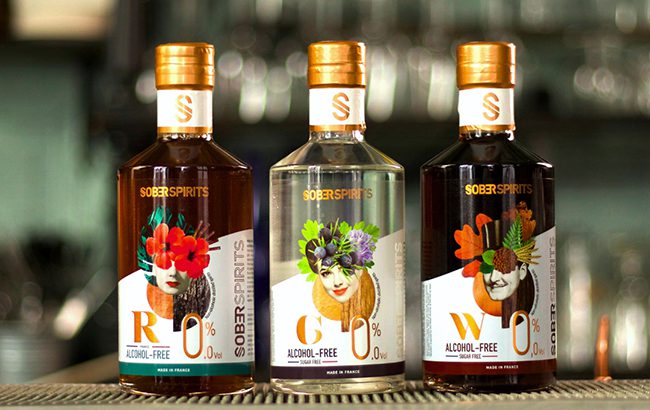
IWSR forecasts global volumes of no-alcohol alternatives (such as zero-ABV ‘spirits’ and ready-to-drink/RTD products) to grow by 36% between 2024 and 2029. Moreover, it expects these products to reach 18 billion servings, which amounts to two per person on the planet.
For alcohol-adjacent beverages, which include functional drinks, IWSR expects the category to grow by 11% in volume in 2025, though from a much smaller base than no-alcohol drinks.
IWSR believes the two categories are in demand for differing reasons and are not in direct competition.
It found that people are choosing no-alcohol alternatives for health reasons, but consumers who opt for alcohol-adjacent beverages are doing it out of curiosity, or looking for similar effects to what alcohol consumption might bring.
According to IWSR, alcohol-adjacent beverages include non-intoxicating hemp beverages, nootropic and adaptogenic functional beverages, as well as drinks with ‘alcohol cues’ such as botanicals, sparkling tea, and fermented beverages.
IWSR carried out a survey during August 2025 across 10 key markets, which comprised Australia, Brazil, Canada, France, Germany, Japan, South Africa, Spain, the US and the UK. There were 7,973 legal drinking age (LDA) respondents.
Findings from the survey revealed that 40% of those choosing no-alcohol ‘spirits’ were to make a ‘healthy lifestyle choice’.
Just 26% of those surveyed said they buy alcohol-adjacent beverages for health reasons, instead citing the reason for purchase as ‘experiencing similar effects to alcohol through functional ingredients’ (17%) or because they were ‘curious to try it’ (20%).
IWSR head of no- and low-alcohol, Susie Goldspink, said the beverage alcohol sector ‘must prepare for diverging consumer preferences to fully capitalise on the two growing trends’.
She explained: “No-alcohol analogues like no-alcohol beer and wine are an increasingly popular way for drinkers to moderate their alcohol intake. By mimicking the taste and appearance of alcoholic beverages, drinkers who want to moderate can participate fully in occasions without feeling left out.
“Alcohol-adjacent drinks are also growing in popularity, but consumers are using them in a different context, choosing them more for their functional benefits rather than as a mechanism for moderation. “Both categories are poised for continued strong growth, but most likely as distinct products, not competitors.”
In December, data from IWSR’s Bevtrac survey found Gen Z interest in Dry January to be fading.
It also revived its estimation of global alcohol volume in 2025 to decrease by 0.5%.
Related news
How Gen Z is influencing low-and-no