

Dry January: ‘catalyst for lifestyle change’
New data indicates that more than half (58%) of the UK public aim to cut back on or abstain from alcohol in January, with 11% planning a permanent reduction in consumption.
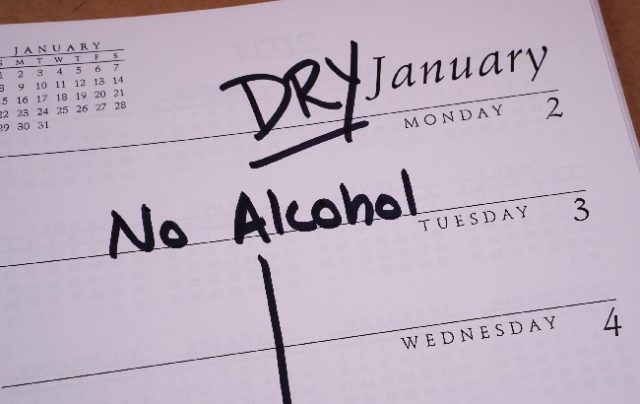
As survey of 1,944 UK adults by consumer research platform Attest has found more than a quarter (27%) intend to give up alcohol completely for Dry January, while a further 31% are choosing a ‘damp January’ – reducing but not completely abstaining from the consumption of alcohol.
In total, 58% of Brits are planning to drink less this month, with 42% of those viewing the month as a starting point for longer‑term moderation or abstinence.
This accounts for 11% of UK adults overall, suggesting that 4.7 million Brits plan to drink less throughout 2026.
Todd Latham, CEO of Attest, commented: “Dry January has become a catalyst for wider lifestyle change. Consumers are not only stepping back from alcohol – they’re rethinking how and where they socialise. Coffee shops, home gatherings and even gyms are becoming the new centres of social life, driven by a desire to improve health, save money and make more intentional choices.
“Brands should consider how they can offer products and services that support wellbeing, moderation and non-alcoholic socialising to continue capturing consumer interest.”
Attest found that rather than switching to alcohol‑free beer (15%), wine (8%) or ‘spirits’ (4%), the majority plan to opt for tea or coffee (54%) as their social drink of choice.
This shift is reflected in where people plan to gather: beyond home (69%) and coffee shops (44%) are the most popular external social venue for Dry January, highlighting a significant opportunity for cafés to strengthen their role as healthier social hubs.
However, only 7% of those reducing their alcohol intake intend to choose low‑alcohol alternatives. Attest notes this will be a challenge for beer brands lowering ABV to mitigate the impact of the UK’s upcoming 3.66% alcohol duty increase in February, and as such it says manufacturers may need to weigh any tax‑driven reformulations against limited consumer appetite for low‑alcohol options.
In December, a survey found 79% of UK adults would be likely to try drinks that can support wellbeing goals such as reducing stress, improving sleep or boosting energy levels.
Related news
Wolfie's whisky ad challenges Dry January