

World Spirits Report 2025: World whisky
Non-traditional whisky-producing regions around the world are continuing to carve out their own sense of place and style, which is resonating with a new base of consumers.

Dawn Davies, commercial buying director at The Whisky Exchange, singled out the Nordics’ performance in 2025, which was one of the most popular areas at this year’s Whisky Show in London. “For the first time this year we had an area of The Whisky Show dedicated to Nordic whisky producers, which was really popular with guests,” she says.
Sam Simmons, head of whisky at Master of Malt, agrees. “‘Surge’ might be a strong word for 2025 but Scandinavian and Nordic whisky have continued to grow,” he says. In addition, Simmons has “enjoyed seeing double-digit age statements from England, Sweden and some 20-plus from Australia [Tasmania]”.
However, with consumers shying away from Scotch due to pricing, world whisky must not fall into the same trap. “Evolving is the right word, and the perception-is-reality mentality has gradually eroded with people being more open to try the unusual,” Simmons says. “That being said, whether it is Japanese, Australian or new Canadian single malt, price plays a huge role in the willing appetite to experiment.”
Davies suggests pricing is the biggest challenge. “For small producers pricing is always a challenge, and the whisky boom has seen artificial increases across all,” she says.
Opportunity-wise, Davies suggests if regions work together, as has happened in the Nordics, they “have the most chance of success”. Addressing opportunity, Simmons adds: “If real sustainable growth is to continue, brave and visionary category leaders must invest in consumer and trade education, not pull away from it.” Kaitlyn Tsai, global brand ambassador of Taiwanese distillery Kavalan, says younger drinkers are especially open to trying something different from Scotch. “That’s where world whisky, and Kavalan’s subtropical ageing and cask-led profiles, really resonate with people seeking something unique,” she says.
Meanwhile in India, Heemanshu Ashar, global brand ambassador at Paul John Whisky, says it has been a very encouraging year for the country’s single malts. “The category continues to grow strongly – around 20%-25% – and today Indian single malts hold more than half the segment in the domestic premium whisky market,” he says, adding that it’s heartening to see demand is now no longer being driven by “novelty”, rather by a genuine appreciation for the whisky. Ashar does note a few challenges. One, he says, is “managing supply and long-term ageing” as demand rises across the globe. The second is: “Regulations across countries can also be complex, especially for newer whisky regions like India, Australia or Taiwan.” This year in India, a trade body, the Indian Malt Whisky Association, was established to preserve, promote and protect the Indian single malt category.
David Vitale, founder of Starward, has also noticed novelty isn’t the top purchasing reason anymore. “Demand is shifting from curiosity to repeat purchase – people are coming back for second and third bottles, not just trying for novelty,” he says. Export remains tough, but Vitale says Australian whisky has had a solid year “with growth from both established and emerging brands” and “momentum locally”.
English whisky is another world category that’s enjoyed momentum this year, especially with a geographical induction in the pipeline. Dan Szor, founder of the Cotswolds Distillery, says there is “strong potential in international markets where curiosity for new world whisky is accelerating. Premium flavour-forward expressions, tourism and storytelling around local provenance offer powerful avenues for growth.”
Brands to watch in 2026
Canadian Club
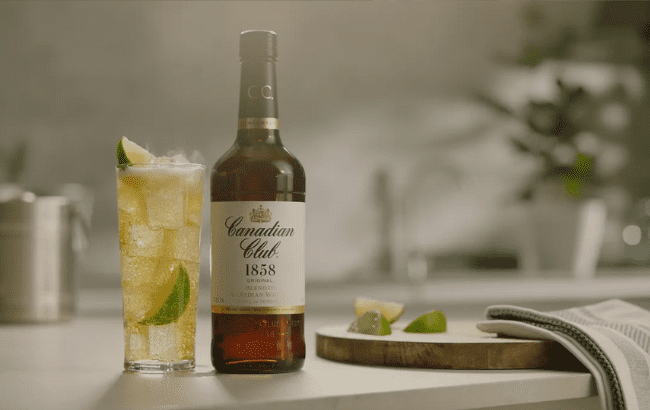
A beneficiary of Trump’s tariff policies could be Canadian whisky, Canadian Club in particular. Though owned by Suntory Global Spirits, an agreement with Pernod Ricard sees the brand produced at the French firm’s Hiram Walker Distillery in Windsor, Ontario, which has just had a cash boost of CA$100 million (US$71.75m). With Diageo shifting some Crown Royal bottling to the US, the path to being Canada’s most popular whisky might never be clearer.
Prakaan
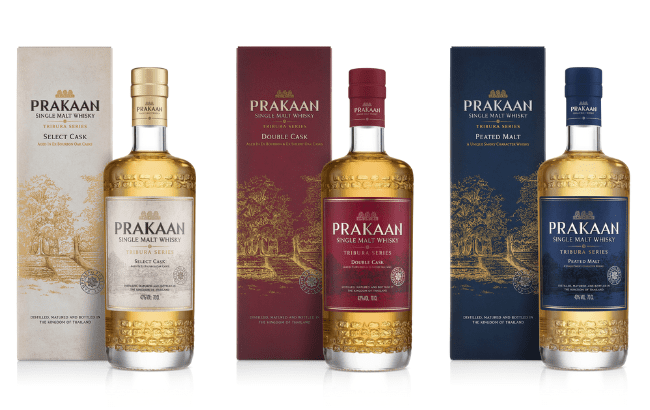
As the likes of China, Taiwan, and India make inroads as reputable whisky-making regions, Asia might have another in Thailand, courtesy of Prakaan, produced by Bangkok-headquartered Thai Beverage (ThaiBev). It styles itself as the country’s first single malt. After launching in June, Praakan is rolling out globally under ThaiBev’s global arm, International Beverage, so don’t be surprised by all the attention as it announces itself on the world stage.
Lark Distilling Co
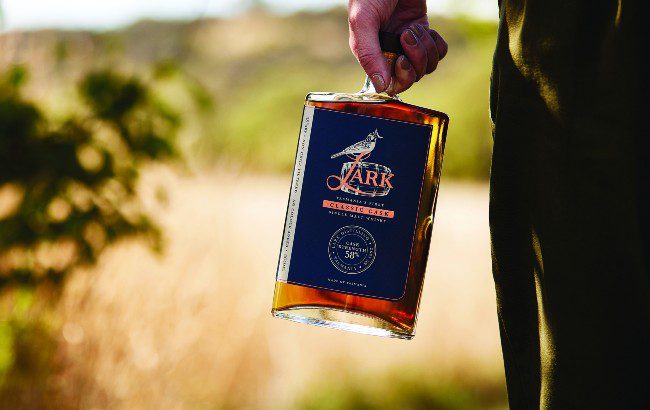
Australia’s Lark Distilling Co had plenty to shout about in 2025. The Tasmanian whisky producer saw its first-quarter sales rise by 10%, while its new Lark Pontville Distillery edged closer to completion. The brand is also revelling in Asia, with export sales to the continent soaring by 160%, and new markets across Southeast Asia acquired. All signs point to 2026 being equally massive, if not more – as Four Pillars co-founder Stuart Gregor also takes over from Sash Sharma as CEO.
Related news
Ki One unveils ‘world’s first’ red pepper cask whisky