

World Spirits Report 2025: Low & no
After years of investment and innovation, the low‐ and no‐alcohol sector is gaining recognition in established markets as retailers and bars carve out more space for the sector.
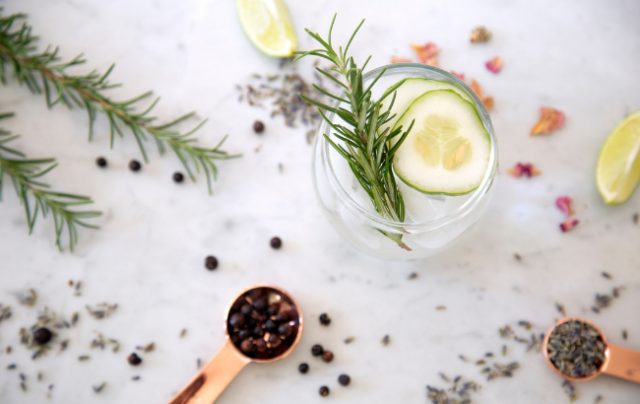
The no‐alcohol ‘spirits’ category rose by 13% in volume globally last year, but from a low base, according to IWSR data. The segment is forecast to increase by 10% in 2025, and by 9% in 2026, outperforming the wider alcohol segment. The US is expected to be a key driver of no‐ alcohol, which is predicted to soar by 18% by volume (CAGR 2024‐2028), based on IWSR’s No‐ and Low‐Alcohol Strategic Study 2024.
“It’s been a strong, maturing year for low/no,” says Tim Blake, co‐founder of Crossip Drinks, who notes that “acceptance has grown, especially in the on‐trade,” where bars have dedicated sections for alcohol‐free drinks.
He also points to its potential globally: “Europe, Asia, and emerging markets are showing real interest. This has been the year where the category finally felt like it belongs in the wider drinks world, rather than sitting alongside it.”
Everleaf founder Paul Mathew sees the low‐ and‐no space as one of the healthiest and most resilient areas of the drinks industry, even amid economic pressures.
While consumers are cutting back on discretionary spending, he says the category continues to show year‐on‐year growth in Everleaf’s markets, though not at the same pace as in previous years, he maintains.
Blake cites a challenge for the industry in terms of the regulatory environment. “Alcohol‐free ‘spirits’ are treated as food products in most markets, which means every country has different rules about ingredients, processing, pasteurisation, shelf life and labelling. Moving a product from the UK into a new market often requires a completely different approach.
“I’ve already had conversations with UK government bodies this year about international regulations that are slowing down British producers. A clearer, more standardised understanding of what alcohol‐free ‘spirits’ are would make a huge difference.”
In a landmark ruling last month, the European Court of Justice determined that alcohol‐free beverages cannot be called ‘gin’, even when labelled as ‘non‐alcoholic’. This could cause some alcohol‐free brands to rethink their positioning to avoid infringing on gin in the EU.
Another tough area is the retail channel, which is “dominated by big players” with non‐alcohol alternatives of established brands, says Blake.
But it is an exciting time for the industry. This is evident by the number of investments in the category. In 2024, Seedlip owner Diageo fully purchased US brand Ritual Zero Proof and French firm Rémy Cointreau took a minority stake in alcohol‐free producer JNPR Spirits. This summer, AG Barr, the parent firm of Funkin Cocktails and Irn‐Bru, took full ownership of UK‐based zero‐ABV brand Strykk. And last month, Banks Botanicals in Australia’s Yarra Valley was purchased by local spirits producer Alchemy Distillers.
One recent term that has been popular with many in the industry is ‘zebra striping’, which emerged in KAM’s 2024 Low and No: Drinking Differently study. Diageo’s Distilled 2025 report in January also called it out as a trend, in which people swap between alcoholic and non‐alcoholic drinks in one social occasion.
Brands to watch in 2026
Lyre’s
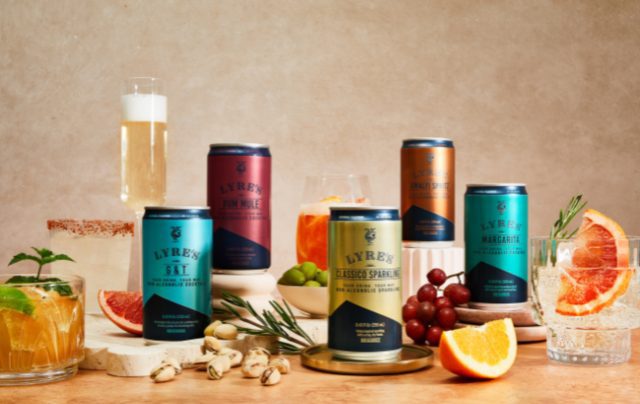
Last year saw the start of new leadership for Lyre’s. Calirosa Tequila founder David Gimpelson joined Lyre’s as CEO and is betting on the US for growth. To top it off, the brand recently underwent a major global rebrand that could boost its shelf visibility.
Feragaia
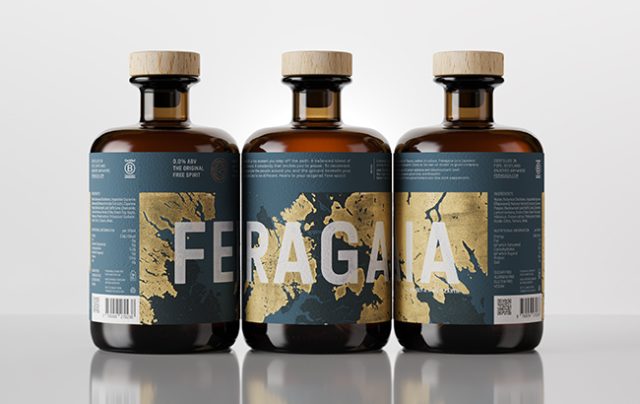
The Scottish non‐alcoholic brand is now part of R&B Distillers’ portfolio, the spirits and drinks business of Chanrossa, which also owns Scotch whisky producer Isle of Raasay Distillery. Chanrossa took a majority stake in Feragaia as part of its “goal of creating Scotland’s leading new‐wave spirits and drinks business”.
Mother Root
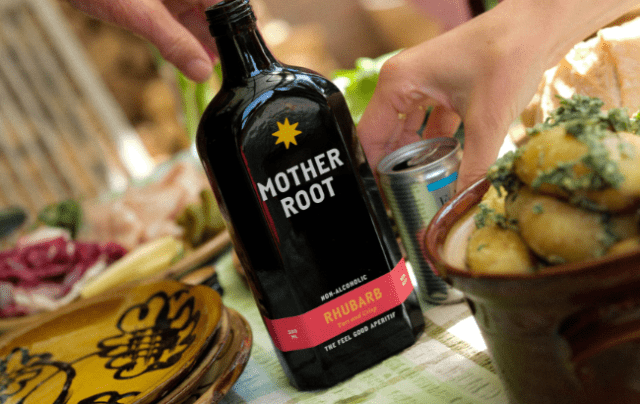
After its successful appearance on Dragons’ Den in October, alcohol‐free apéritif Mother Root saw its sales soar by 2,000%. The brand secured a 5% investment from entrepreneur Steven Bartlett on the BBC show, and has already concluded a wider £1.1m funding round
Related news
How Gen Z is influencing low-and-no