


World Spirits Report 2025: Gin
As one of the world’s biggest spirits categories, gin has experienced its ups and downs, facing challenges such as oversaturation and shifting consumer tastes.

But it remains a category of healthy growth – last year it recorded a 2% volume gain globally due to emerging markets like Italy and India. Speaking at this year’s Ginposium conference in London, Chris Pitcher, drinks analyst at Redburn Atlantic, said gin benefits from being “relatively internationalised”, and is less dependent on a few markets. Pitcher noted an opportunity for gin in Italy, with the gin and tonic surpassing the Negroni as the country’s number‐three cocktail behind the Aperol Spritz and Campari Spritz.
Euromonitor International data also indicates a bright future for gin. The category is expected to grow by 2.7% by volume in 2025 and by 3.2% in the following year. Value‐wise, the sector should grow by 3.1% this year and by 5.2% in 2026.
Alex Watson, founder of Renais Gin, believes the category is still in “recovery mode”, and points out that “the bright spots are firmly in the ultra‐premium space”.
Speaking of the category’s challenges, Watson notes the “lingering impact of the craft gin boom. For years, the market was flooded with flavours, formats, and rapid‐fire innovation, and we’re still seeing the effects of that oversaturation. “Consumers became overwhelmed, and retailers ended up with portfolios that were simply too fragmented. The category is now going through a period of correction. Brands are consolidating, and there’s a clear shift away from novelty for novelty’s sake. Cutting through the noise with something genuinely meaningful is harder than ever.”
Sarah Prowse, chief distiller and production manager of Australian gin brand Four Pillars, also says increasing competition is a challenge. “When Four Pillars launched in 2012, there were fewer than five gin distilleries in Australia. Today, there are more than 300 registered with the Australian Distillers Association,” she says. She adds that Australia faces the third‐highest spirits tax in the world, which rises biannually.
In terms of gin’s growth opportunities, brands could tap into Spritz cocktails and lower‐ABV serves, as well as the “Martini renaissance and staying power of the Negroni”, Watson says.
For Prowse, growth lies in the ready‐to‐drink segment. Four Pillars has seen “strong success” with the release of its canned cocktail range this year. “The premium end of the market also remains robust, so we’ll keep investing in limited edition releases and one‐off collaborations,” she says, including the upcoming Four Pillars Bloody Applejack Pinot.
Both Prowse and Watson believe the sector will be driven by brands with a “real sense of place” in 2026.
Brands to watch in 2026
Renais

Alex Watson co‐founded Renais with his sister, actor Emma Watson, in 2023. The brand uses French wine grapes grown on the Watson family’s vineyard in Chablis. This year the brand raised £4.95 million (US$6.5m) worth of investment, and there are ambitious plans to expand into the US after launches in Europe, Dubai and Canada.
Roku
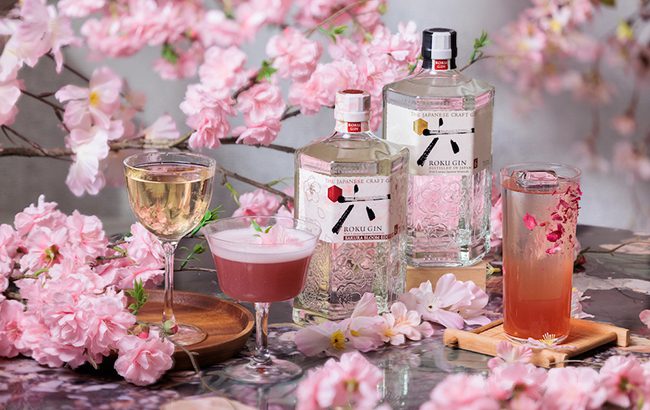
Suntory’s Japanese gin brand revealed it would splurge ¥6.5 billion (US$42.8m) on its production plant in Osaka, Japan, this year. The plans include creating a new visitor experience, which could drive more excitement behind the brand.
Warner’s
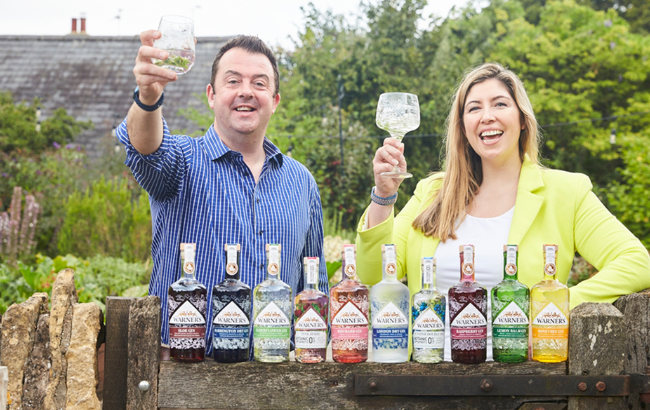
Now backed by La Martiniquaise‐Bardinet, the English gin brand could benefit from the French parent company’s extensive distribution network. Warner’s has been a key stalwart of the flavoured gin market and became the 10th distillery in the UK to gain B Corp status. Increased investment behind the brand could see Warner’s strengthen its presence globally.
Related news
Are RTDs a threat or necessity to the gin category?