

World Spirits Report 2025: American whiskey
The US whiskey category is back down to earth, to an extent, but international markets can present a new era of sustained growth.
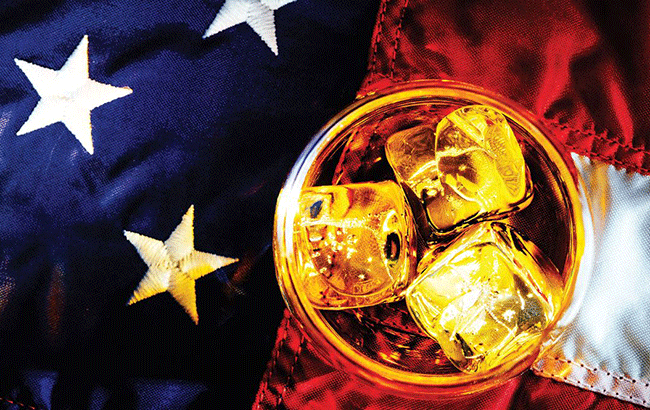
Hasan Bakir, senior director for economic studies at the Distilled Spirits Council of the US (Discus), says although American whiskey has softened over recent years, this is no different to the rest of the US spirits market, and it “continues to perform relatively better, maintaining a strong position within the broader spirits market”. He notes over the past two decades “supplier sales of American whiskey have nearly quadrupled, rising from US$1.4 billion in 2004 to US$5.2bn in 2024”.
Kate Latts, co-president of Heaven Hill Brands, also vouches for the category’s resiliency, and notes strong momentum in premium tiers. “We continue to see outsized demand for heritage-rich Bourbons, which benefit from consumers’ renewed focus on authenticity and quality,” she says. “While post-pandemic normalisation has tempered category velocity, premium American whiskey is still driving value growth.” In September, the company opened the doors to its new US$200 million Heaven Hill Springs Distillery in Bardstown, Kentucky.
Identifying premiumisation as the category’s driving force, Bakir says super-premium whiskey brands now represent a quarter of the category, a “significant increase from their 5% share two decades ago”. Bakir highlights the small batch and American single malt (ASM) segments for creating excitement for consumers. ASM was officially recognised as a whiskey category in December 2024. Jamie Siefken, president of Iowa’s Cedar Ridge, which has ASM as a focus area, says he believes “the opportunity for ASM growth inside the US is massive. Malt whisky is the most common category of whisky outside the US.”
Shapira Latts underlines that premiumisation is continuing, but with “greater intentionality. Drinkers are gravitating toward transparent, provenance-driven brands,” she explains. “Interest in age-stated and bonded whiskey is rising, and cocktail culture remains incredibly strong. We’re also seeing broadened drinking occasions, from elevated cocktail bars to experiential venues.”
Assessing challenges, Bakir says “broad economic concerns” are the most significant barrier, citing rising living costs and reduced consumer confidence. The tariff situation hasn’t helped either, risking alienating major EU markets and Canada. The softening of a two-decade growth cycle also “presents an unfamiliar environment for many craft distillers, who may lack the experience to navigate periods of slower growth”, he says.
These factors have also contributed to a significant number of closures, production pauses and job cuts in the industry, including multi-million-dollar liens for Limestone Farms and Garrard County Distilling.
There are positive signs ahead. Euromonitor data predicts total American whiskey volumes will reach 52.9m cases in 2026, up by 2.9% from this year’s estimated 51.4m figure. Bakir says international expansion is critical for the category’s growth, explaining American whiskey currently represents only a small share of the overall spirits category. He also highlights distillery tours and continued innovation in the cocktail space, for whiskey-based serves both at-home and in the bar.
Michael Bilello, CEO of the American Whiskey Association, which was founded this year to act as the leading voice for the category, also points overseas for opportunity, with the organisation urging the US government to remove key trade barriers after American whiskey exports generated US$1.3bn in 2024.
Brands to watch in 2026
Uncle Nearest
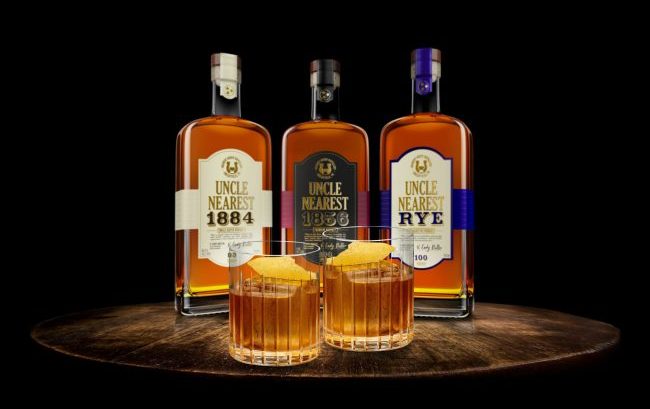 The Tennessee brand found itself on the wrong side of the headlines this year. It was first hit with a US$100m lawsuit, before co-founder Fawn Weaver lost control of the brand, and a receiver was called in to manage the business. It might also have to sell its vineyard in Cognac. We’re curious to see how this story will unfold in 2026.
Westward Whiskey
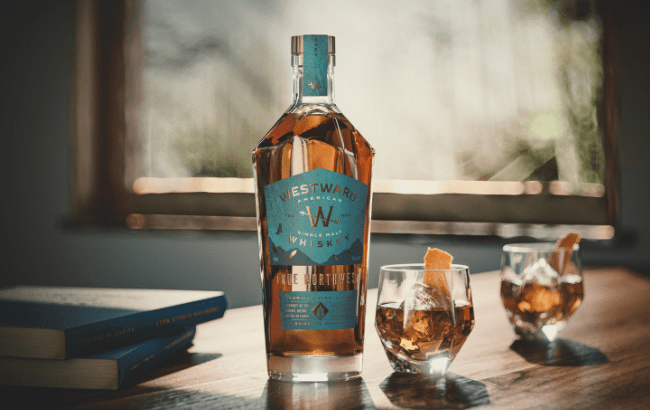 The alarm was sounded in April when Westward filed for Chapter 11 bankruptcy, citing “significant liquidity challenges”. Fast forward to late October, though, and the Oregon-based distillery – once backed by Diageo’s now-defunct Distill Ventures arm – had dug itself out of that hole after being saved from bankruptcy, hopefully indicating a better 2026 ahead.
New York Distilling Co
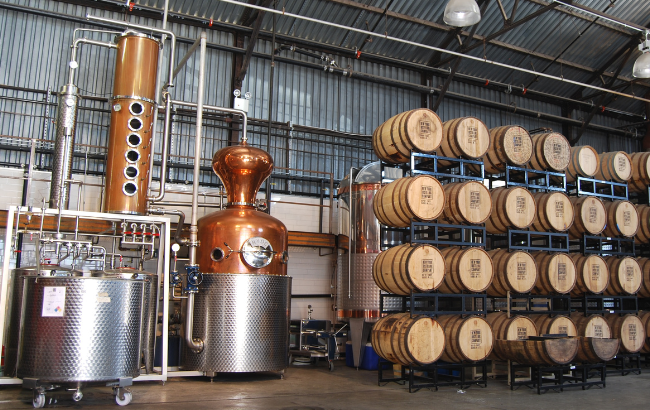 Known for its rye whiskeys, New York Distilling Co (NYDC) was acquired by Loch Lomond Group in May, marking Scotch maker Loch Lomond’s entry into American whiskey. The group’s Scotch portfolio speaks for itself – with Loch Lomond, Glen Scotia, Littlemill, and High Commissioner – and if NYDC is given similar footing, the future could be bright.
Related news
Where is the next opportunity for American whiskey?