

Quality is becoming synonymous with Indian spirits
For decades, India’s role in the global spirits conversation was defined by volume rather than value; an industrial powerhouse producing for mass consumption, rarely invited to the top table of luxury drinks. That narrative is now being dismantled.
Today, India is emerging not just as one of the fastest-growing spirits market, but as one of its most exciting new premium origins. Across the country, internationally awarded whiskies, terroir-led rums and ultra-premium vodkas are competing on quality, provenance and prestige.
Leading this shift is a new generation of producers who have stopped asking whether Indian spirits belong on the world stage and have started building brands that assume they do.
At the forefront is Piccadilly Agro Industries, a business transforming India from a source of bulk alcohol into a producer of globally credible luxury liquids.
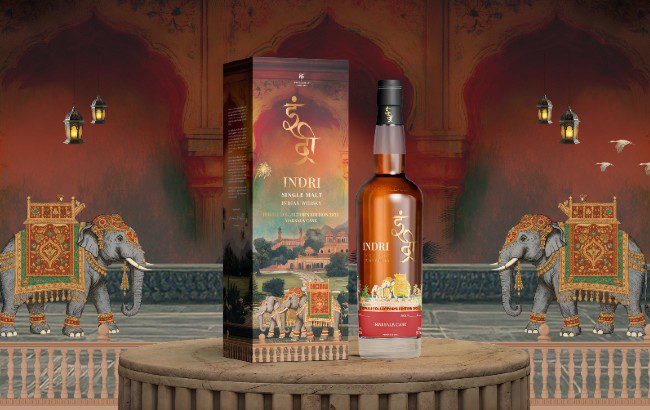
Piccadilly represents something rare: an innovation-led Indian producer, crafting premium spirits with global luxury standards. Its portfolio includes award-winning single malt Indri, of which the Founder’s Reserve 11 Years Old and the Diwali Collector’s Edition 2025 – Marsala Cask recently took Gold at The Luxury Spirits Masters 2025 blind tasting.
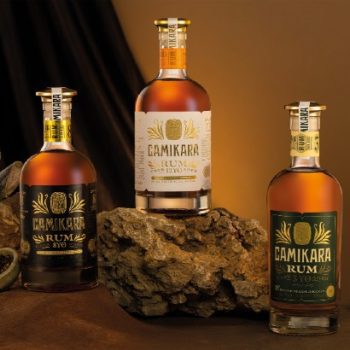
Furthermore, Picadilly produces pure cane juice, aged rum Camikara and the recently launched Indian organic craft vodka Cashmir.
Why India is impossible to ignore
India is no longer an ’emerging’ market in theory. With real GDP growth forecast to exceed 7% in the next year, according to pib.gov data, the country is producing millions of new affluent consumers every year. And they’re not buying entry-level bottles: they’re trading up.
In the first half of 2025 alone, India’s beverage alcohol market grew by more than 7%, Times of India reported, reaching more than 440 million nine-litre cases and making it the fastest-growing major drinks market globally. Within that, whisky remains dominant, with volumes exceeding 130m nine-litre cases in the same period – up by another 7% year on year. More importantly, the premium-and-above segments are growing faster than the rest of the market, rising by around 8% in both volume and value, The Economic Times reported.
Premiumisation in India is no longer a trend; it is a structural shift. A younger, affluent, globally-aware consumer base is demanding quality, provenance and authenticity – mirroring the development of markets like Japan, Taiwan and Ireland as they reinvented their own spirits credentials.
Piccadilly’s evolution: India’s emerging luxury spirits house
Piccadilly’s origins lie in large-scale manufacturing. Based in Indri, Haryana, the company built formidable infrastructure across ethanol, grain processing, sugar, distillation and bottling. But rather than treating scale as a ceiling, Piccadilly turned it into a launchpad.
As India’s domestic market matured, the company made a strategic pivot from supplier to brand creator. What followed was an export-ready portfolio with purpose, designed for international credibility. Indri Single Malt became India’s most talked-about whisky brand almost overnight, whist Camikara rejected molasses entirely and instead crafted rum from fresh cane juice (a process more associated with agricole distilleries in the Caribbean). Then earlier this year came Cashmir Vodka – one of the most globally ambitious Indian spirits launches to date.
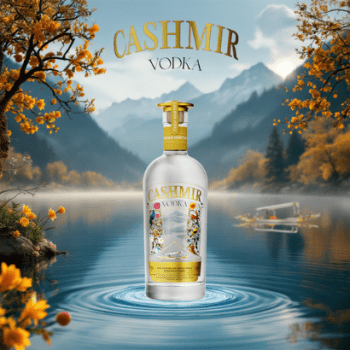
Cashmir is not chasing vodka’s lowest common denominator. It is distilled from 2,000-year-old rediscovered, organic heritage wheat (Sona Moti), refined through multiple purification stages and blended with glacial water, then bottled without additives. It is a representation of the terroir that can be found at the Himalayan foothills, and brings a new luxury take to the vodka category.
Indian Spirits Abroad: From Curiosity to Category
India’s reputation is shifting beyond its borders too. In 2024, exports of Indian alcoholic beverages reached US$375 million, up from US$325m in 2022, that’s a growth rate of over 15% in just two years. Single malts, gins and niche spirits are now landing in specialist retailers, premium bars and global competitions – and not as novelties.
Indian whisky in particular is now recognised by international judges, collectors and buyers. What was once “unexpected” is increasingly winning medals, gaining listings and driving attention at trade fairs.
Piccadilly’s portfolio is built for that moment. Its infrastructure can support scale; its brands are designed for culture. It is a rare combination and one that global distributors increasingly value as whisky demand grows and traditional regions strain under inventory shortages.
Piccadilly’s rise is not happening in isolation. It mirrors a broader repositioning of India itself.
Just as Japan rewrote whisky’s hierarchy and Taiwan shocked the industry with Kavalan, India is now entering the spirits discourse not as the cheapest option, but as the most interesting new one. India is indisputably revamping its identity as a producer of high-quality spirits, worthy of global acclaim.
Piccadilly’s success has created a ripple effect far beyond the company itself, reshaping how India is classified within the global drinks landscape.
From Indri to Camikara and Cashir, luxury drinks have found their next frontier — and it isn’t looking west.
Related news
EU-India deal positive news for Irish whiskey