

Altos Tahona Society: shaping the future of bartending
We reflect on the final of this year’s Altos Tequila Tahona Society Competition and how it keeps the brand at the forefront of the category after 16 years.
‘By bartenders, for bartenders’. That was Altos Tequila’s original tagline when it launched in 2009, and the brand’s Tahona Society Competition is proof of this commitment, 16 years later.
Evolved from what was originally a cocktail competition, the event now calls on bartenders to develop projects and business plans with a focus on social impact, addressing either an environmental or community issue, and with a substantial US$50,000 prize for the winner to bring their idea to life. Held every two years, it’s central to a brand that has always prioritised advocacy, and bartender involvement. The approach is unsurprising, considering it was developed by two bartenders – Dré Masso and the late Henry Besant – together with Jesús Hernández, maestro tequilero and master distiller for Pernod Ricard’s House of Tequila.
By the time Altos launched, Masso and Besant were already committed to tequila education, through their London bar Green & Red, and through trips to Mexico they hosted. “So when we launched the brand, we also put together a training platform for bartenders,” remembers Masso.
The platform was named the Tahona Society, after a traditional production method that had become a defining characteristic of their new tequila. The education component was soon joined by a competitive element. “Early on, it was just a Margarita competition. That evolved with the times, looking at different movements and trends,” he says.
“I used to do a lot of traveling to competitions, in different countries, and saw a lot of enthusiasm, but it just got so saturated that it lost the spark,” says Hernández. “And so the concept became to envision projects to improve the community or the environment. I thought that was a really good twist.”
“It’s not just a cocktail competition that ends up being a flash in the pan,” says Altos global brand director Maddie Jahnke. “It’s a pretty big commitment that we make as a business into investing in the community.”
Sustainable projects
The winner of this year’s final, held in Guadalajara in Mexico, was Christina Mercado, representing the US. The prize money will go towards developing Mercado’s project, C-Sweet, an alternative to refined sugar that’s both natural and low-glycemic. She will also receive support from a team of experts from the Harvard Innovation Labs.
An additional Coaching Prize went to Audrey Hands and Lucía Ixchel from Mexico, for their hospitality wellbeing initiative Brindemos Bienestar. The Crowd Favourite award, meanwhile, went to Colombia’s Cristina Botero, who presented Shaking Lives, a training initiative centred around the empowerment of vulnerable youth for hospitality careers.
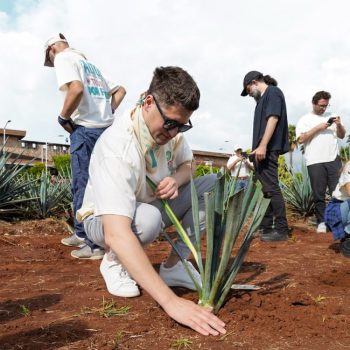
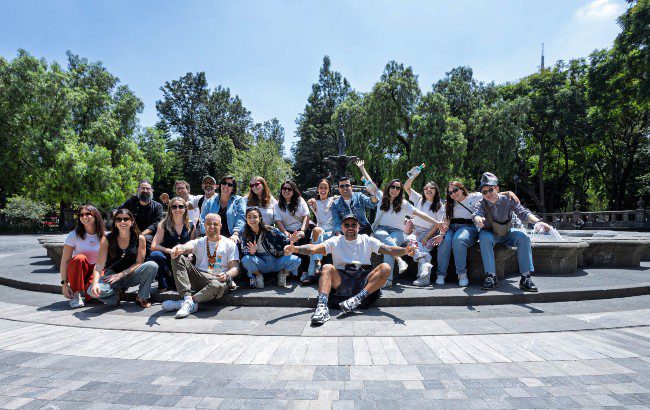
The final consisted of 11 competitors, from countries including Australia, Canada, China and the UK. Masso was joined on the judging panel by Pernod Ricard’s House of Tequila director ,Tim Croizant, coach and angel investor Lara Zimmerman and Lush Life founder Lindsey Johnson.
Over the course of the week the finalists also had one-on-one sessions with the judges, competed in a speed cocktail competition, and visited Pernod Ricard’s distillery in Arandas in Jalisco.
This year marked the first carbon-neutral edition of the competition, through neutralising emissions, separation and recycling of waste, and an emphasis on local suppliers, ingredients and services. The Tahona Society has also recently launched an app that brings the community together, with online courses, a discussion forum, career path opportunities and more.
Packaging evolution
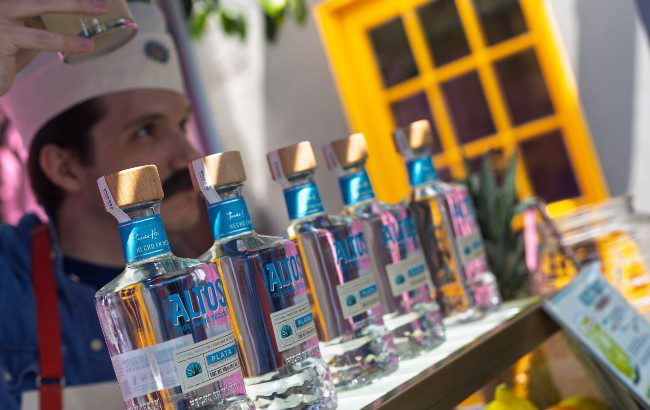
This year’s competition final coincided with a new look for the brand. Gone are the echoes of parent brand Olmeca, with a new, more rounded bottle, and a design that draws on brightly coloured, hand-drawn Mexican signs – rótulos – for inspiration.
The idea was to improve shelf standout, while incorporating lesser-known cultural elements from Mexico.
“When you think about Mexican culture, the things that we fall in love with can often be perceived to be clichéd, even though they’re still brilliant,” says Masso.
For Hernández, the sustainability of the new bottle – with more than a 5% reduction in weight – is important too. “The evolution of the package makes sense, especially because the focus has been not only for image, but also for its impact on the environment,” he adds.
Alongside the branding and packaging, the brand’s bartender platform, the Tahona Society, will no doubt continue to evolve too.
“At the end of the day, advocacy is at the heart and soul of what created the brand in the first place,” says Jahnke. “Staying true to that, and staying focused on bartenders and the community is one of the biggest pillars we have.”
Related news
Neurita Tequila names new UK distributor