

More than Mai Tais: spotlighting Caribbean mixology
While the Caribbean has a reputation for fun, fruity cocktails, forward-thinking bartenders are steering the islands towards different serves, highlighted by a recent initiative.
*This feature was first published in the March issue of The Spirits Business magazine.
What comes to mind when you think of the Caribbean? Pristine white beaches, clear blue sea, towering palm trees – and probably an ice‐cold cocktail, maybe served inside a pineapple?
It’s hard to argue with some of that imagery – and it’s pleasant to daydream about on a rainy Wednesday in the UK. But for US native Kyle Jones, who has lived in the Caribbean for 14 years, is married to a native Bahamian, and who co‐founded cocktail bar Bon Vivants in the Bahamas, that postcard image is just part of the story. “It was always my dream to start something down here,” he says. “In the bar world, there’s no spotlight on the Caribbean, but it’s been building to a very high level. There’s so much talent and such great ingredients. And the hospitality – in the Caribbean, that’s what we have: hospitality. It really shines when people come here.”
Island hopping
As a regional judge for Tales of the Cocktail’s Spirited Awards, Jones feels he has a duty to the islands. “I need to visit the local bars so I can speak knowledgeably,” he says, adding that this research led him to meet Jim Wrigley, the beverage manager of Library by the Sea in Grand Cayman. Jones was “in awe” of the cocktail scene in the Cayman Islands, and wanted to build on what was happening there and at home. His original idea was a Caribbean Cocktail Week, with one island hosting annually before passing the baton. But a touring format would bring benefits for multiple nations. “People could jump from island to island,” he says.
With Wrigley, Jones approached Roberto Berdecia of La Factoría in Puerto Rico – an obvious choice, he says – to secure a third destination. Thus, the Caribbean Cocktail Tour (CCT) was born, taking place over three weekends in January 2026. “This was a way to bring all the voices together in one place, and encourage people to come to the Caribbean – not just for the beach and feet in the sand, but to really shine a spotlight on the Caribbean as a whole,” Jones explains.
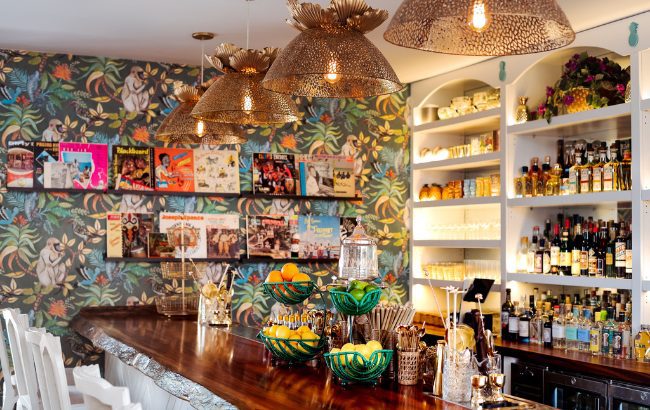
When we speak in January, the tour has completed stops in the Bahamas and the Cayman Islands, with Puerto Rico still to come. Jones was “really surprised” by how many tourists travelled for the events, as well as a number of “big names” in the cocktail world, “even people we didn’t invite”.
Jones explains: “There’s this mindset that we have to go to New York City or London and do pop‐ups to show what we’re doing in the Caribbean. But really, we should focus on getting people into our spaces.”
They did just that – with the CCT events at Bon Vivants and Library by the Sea being the busiest nights both bars have experienced. Beyond guest shifts, CCT has a clear educational focus. Each bar delivered a seminar, such as Bon Vivants’ ‘Beyond the Tiki’ talk. Sponsor Diageo also hosted two masterclasses for Ketel One and Don Julio, and there was another seminar co‐hosted by global rum ambassador Ian Burrell and Mitch Wilson from Black Tot.
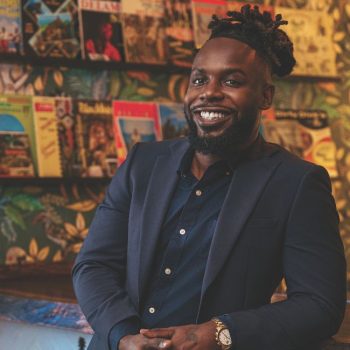
For Niko Imbert, Bon Vivants’ head bartender and senior vice‐president of hospitality, the highlight was interacting with other Caribbean bartenders. Sourcing products, navigating special orders, and dealing with inevitable shipping delays are shared frustrations on the islands. “Being able to hear people relate to the things they have to do to get the job done has been such a big deal to me,” he says.
He also cherishes being able to learn techniques from his peers. “Man, I go into some of those guys’ backrooms, and I’m like a kid in a candy store,” he laughs.
Imbert has travelled to major cocktail destinations around the world for guest shifts, but “it’s not often you get to do it in the Caribbean. It was a really great experience to go to the Caribbean and see other people doing things on the level that we aspire to.”
Jones’s highlight was the camaraderie. “It was just watching these teams come together. They got along like they’d been best friends for the past 10 years.” The sharing of ideas left a lasting impression on him: “These conversations weren’t being had here six or seven years ago.”
Conversations like these – and initiatives like CCT – could play a crucial role in reshaping how the Caribbean is seen on the global bartending stage.
“When you see Caribbean cocktails advertised anywhere, it’s all about a curly straw and an umbrella,” says Jones. “Internationally, that’s the way it’s represented in the media: frozen drinks on the beach. I love frozen drinks, but it’s important we drive through our creativity and talent here. You don’t have to travel to New York, Miami, or London to experience what we can give you here.”
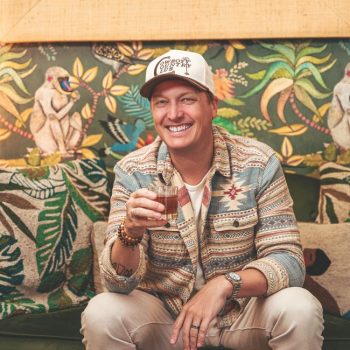
Imbert experienced that disconnect when Bon Vivants first opened. He created a “killer” menu for the launch, with a range of complex drinks and techniques on show. The response was initially lukewarm. “Caribbean cocktails, even in the Caribbean, are misrepresented as fruit juices, sweet stuff, lime, and a few other ingredients,” he says. “That moment really stood out, because I think it showed us how narrow the expectations are – what people in the Bahamas and the Caribbean thought drinking was. We had to shift the pace.”
Rather than accepting that it’s Mai Tais or nothing, Imbert and the Bon Vivants team doubled down on education and exposure. “We found ways to make people feel confident to try something new. We had to figure out the Bahamian palate through the years,” says Imbert. The bar now hosts Negroni Weeks – perhaps the antithesis of the classic Caribbean cocktail, with its extreme bitter notes – and, most importantly, people can’t get enough.
For Imbert, the most important part of CCT is the platform it provides for Caribbean mixology: “We’re allowing ourselves to tell a story rather than just going with the flow of what we’re seeing.”
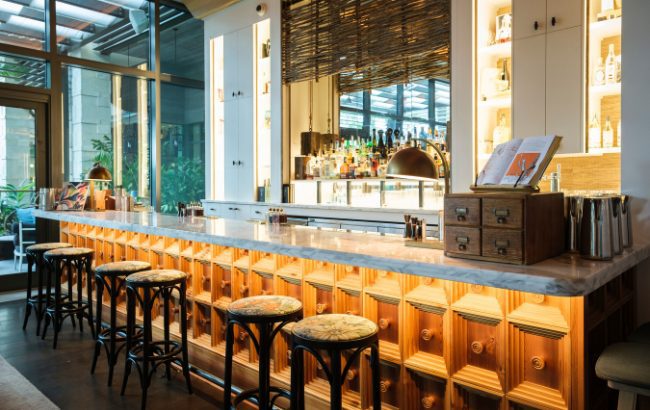
Reclaiming the classics
That story includes reclaiming ownership of those classic Caribbean cocktails. As Jones points out, the region is responsible for hundreds of world‐renowned serves, from the Mojito and Daiquiri in Cuba, the Piña Colada in Puerto Rico, the Ti’ Punch in Martinique, and Rum Punch in Jamaica.
“Some of the most ordered and loved drinks come from the Caribbean, but a lot of people don’t associate us with being a cocktail place,” he says. “Maybe they’re not taking us seriously because they’re not clarified or fat‐ washed. People don’t really grasp the origins or understand how important the Caribbean was to cocktail development.”
Perhaps now, as CCT looks ahead to its second edition, with a potential expansion to Jamaica or the Dominican Republic on the horizon, perceptions will begin to shift – especially as the next generation of Caribbean bartenders are demanding more in terms of both education and recognition.
Related news
Caribbean Cocktail Tour celebrates island hospitality